
Tools
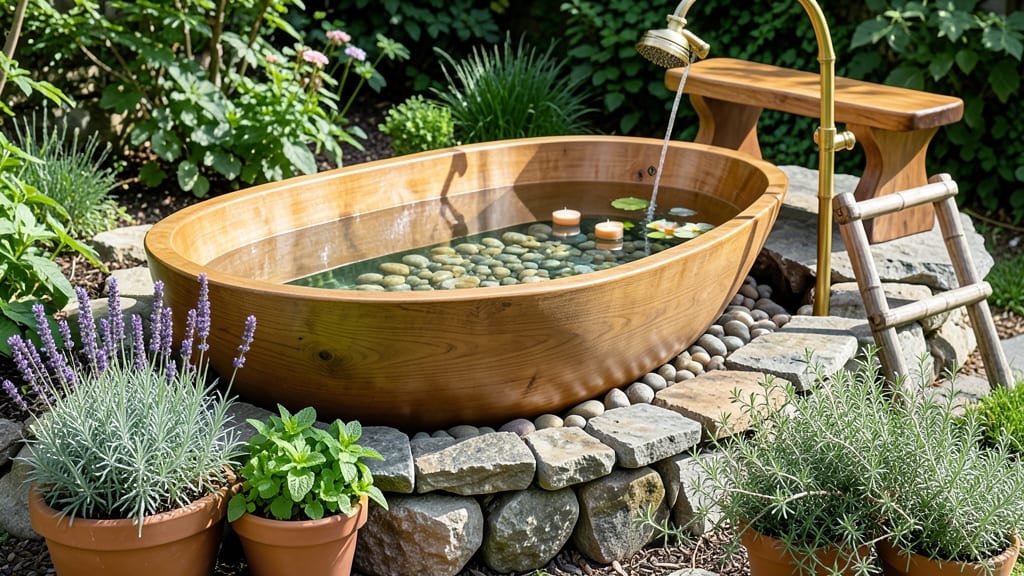
A garden bath is an outdoor soaking tub designed for relaxation in a garden setting, blending natural elements like plants, stones, or water features for a serene spa experience. Unlike hot tubs, it often lacks jets and relies on passive immersion in water.
A garden bath transforms your outdoor space into a tranquil retreat by combining soothing water immersion with natural surroundings. 🌿 Unlike hot tubs with built-in jets, these tubs emphasize calmness through simple, organic designs—think stone or wood construction paired with flowing water or lush greenery.
They’re perfect for unwinding while connecting with nature, often using rainwater or well water to reduce environmental impact. The key difference lies in their purpose: while hot tubs focus on hydrotherapy, garden baths prioritize peaceful ambiance and seamless garden integration.
Many homeowners choose garden baths for their aesthetic appeal and minimalist functionality. For instance, a small tub tucked near a Japanese maple tree creates a meditative space, while larger installations might include built-in seating and waterfalls.
Maintenance is straightforward—regular water testing and occasional cleaning keep them pristine, though they require more upkeep than simple above-ground tubs. The real magic happens when you combine it with outdoor lighting or a nearby fire pit for year-round enjoyment.
💡 In This Article
- Garden Bath Design and Natural Integration
- Choosing a Garden Bath: Size, Placement, and Maintenance Tips
Garden bath design and natural integration
Garden baths are crafted to harmonize with nature rather than dominate it, using materials like cedar wood, natural stone, or fiberglass that blend seamlessly with outdoor landscapes.
Unlike hot tubs, which often feature sleek plastic shells and built-in jets, these tubs prioritize organic shapes—think freeform curves inspired by natural water bodies.
The construction typically involves either preformed fiberglass shells (lightweight and easy to install) or custom-built stone or wood tubs that become a focal point in garden design.
The water source itself plays a key role in their eco-friendly appeal. Many garden baths use rainwater collection systems or connect to well water, eliminating the need for municipal water supplies.
For example, a 1,000-gallon garden bath might require 1,200-1,500 gallons of water for filling and maintenance, but rainwater harvesting can reduce this by up to 70% in regions with adequate rainfall.
The water temperature typically stays between 85-95°F, maintained by simple electric heaters or solar-powered systems, avoiding the energy demands of hot tubs with powerful jets and heating elements.
Landscaping integration is where garden baths truly shine. They’re often surrounded by native plants like hostas, ferns, or drought-resistant succulents that thrive in moist conditions, creating a lush, private oasis.
Privacy screens made of bamboo, lattice, or living hedges soften the visual impact, while strategically placed solar-powered LED lights enhance evening ambiance. Unlike hot tubs that need dedicated patios, garden baths can be sunk into the ground or placed on elevated decks, making them adaptable to various garden layouts.
The absence of jets doesn’t mean a lack of hydrotherapy—many designs incorporate gentle waterfalls, bubbling rocks, or cascading streams that add sensory appeal without the noise and energy use of forced-air jets.
For instance, a small water feature adding 3-5 gallons per minute can create a soothing white noise effect while using minimal power. This passive approach to water movement aligns with the zen philosophy of garden baths, where the focus is on immersion in nature rather than active stimulation.
Consider the sensory experience: The texture of smooth river stones underfoot, the aroma of lavender or citrus-scented plants nearby, and the sound of trickling water all work together to create a multi-sensory retreat.
Unlike hot tubs that often require chemical-heavy water treatment, garden baths can use natural filtration systems like gravel beds or UV clarifiers to maintain cleanliness with fewer harsh chemicals. This makes them not just a relaxation tool, but an eco-conscious addition to any outdoor space.
For those concerned about maintenance, garden baths actually require less upkeep than hot tubs. While hot tubs need weekly chemical balancing and jet cleaning, garden baths with proper filtration might only need monthly water testing and occasional debris removal.
The key is choosing materials that resist weathering—like teak wood or granite finishes—and positioning the tub where it’s easily accessible for cleaning but still feels secluded.