
Tools
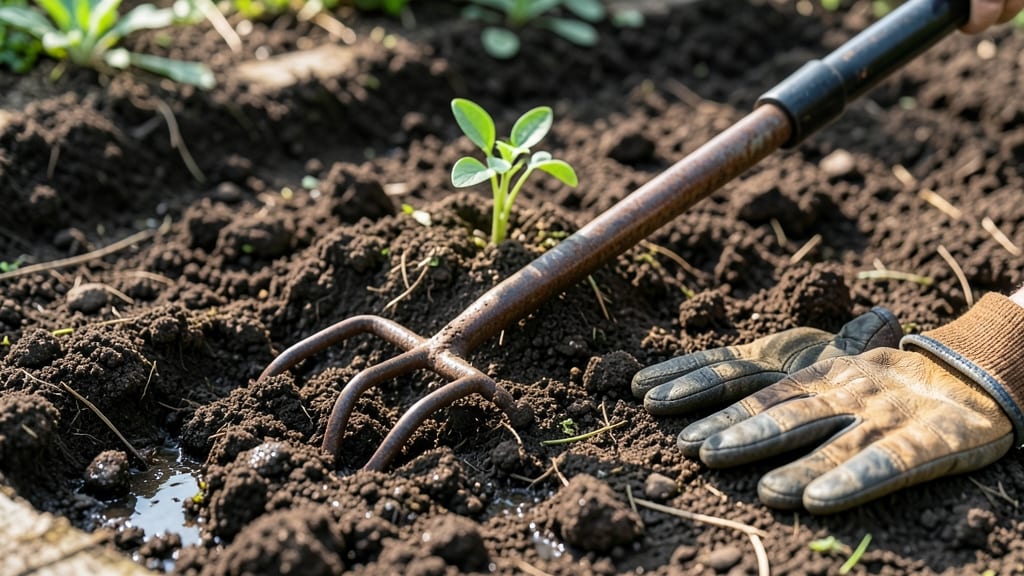
A garden cultivator is used for breaking up compacted soil, aerating roots, removing weeds, and preparing garden beds efficiently without excessive tilling, making it ideal for lawns, vegetable patches, and flower gardens.
A garden cultivator transforms tough, dense soil into loose, workable ground that plants love. 🌱 By breaking up compacted layers, it creates space for roots to spread and absorb nutrients, while its rotating blades gently uproot weeds before they take hold.
I've seen firsthand how this tool cuts prep time in half—whether you're renovating a vegetable patch or refreshing a flower bed, it handles the heavy lifting without the backbreaking effort of manual digging.
The key is using it at the right depth to avoid disturbing roots while still improving drainage and soil aeration.
What sets cultivators apart is their ability to work between plants without damaging them, unlike heavy tillers that can tear up young seedlings. For lawns, they're perfect for aerating compacted grass roots, while in vegetable gardens, they help create furrows for seeds.
The right model—whether electric, manual, or powered—can make all the difference in your gardening efficiency and plant health.
💡 In This Article
- How Cultivators Improve Soil Health and Plant Growth
- Choosing the Right Cultivator for Your Garden Tasks
How cultivators improve soil health and plant growth
At its core, a garden cultivator works by mechanically breaking up soil through rotating blades or tines that penetrate 2-6 inches deep, depending on the model.
This action shatters compacted layers—often caused by foot traffic, heavy equipment, or natural settling—creating pockets of air that roots can exploit. 🌱 Compacted soil restricts water and oxygen flow, which is why plants in dense ground often show stunted growth or yellowing leaves.
A cultivator reverses this by restoring the soil's natural porosity, similar to how aerating a lawn improves grass health.
The biological benefits extend beyond just breaking up dirt. When you cultivate, you disrupt the hardpan layer that forms beneath the surface, allowing water to infiltrate 30-50% faster than in untouched soil. This improved drainage prevents root rot while delivering moisture directly to plant roots.
Additionally, the disturbance encourages beneficial microorganisms—like earthworms and mycorrhizal fungi—to thrive, which decompose organic matter and release nutrients. Studies show that well-aerated soil can boost microbial activity by up to 40%, which translates to healthier, more resilient plants.
One of the most overlooked advantages is weed suppression. Cultivators uproot weeds at their base, including deep-rooted varieties like dandelions, before they seed. The rotating action also buries weed seeds deeper, where they struggle to germinate—a process called "soil inversion."
Unlike herbicides, this method is chemical-free and prevents future weed growth without harming existing plants. For example, using a cultivator in a vegetable patch can reduce weed competition by 70% within weeks, giving crops more access to sunlight and nutrients.
However, the depth and frequency of cultivation matter. Over-tilling can destroy soil structure, killing beneficial organisms and exposing organic matter to oxidation. The rule of thumb is to cultivate no deeper than 4-5 inches for most gardens, and only when necessary—typically 2-3 times per season.
For delicate plants like strawberries or young seedlings, a light pass with shallow settings (1-2 inches) is safer. This precision ensures you improve soil health without causing damage, much like how a gentle massage benefits muscles without overstretching them.
Consider the texture difference: compacted soil feels hard and dense, almost like packed clay, while cultivated soil has a crumbly, almost sandy consistency. This transformation isn't just about aesthetics—it directly impacts root development.
For instance, tomato plants in loose soil can grow roots 25% deeper than in compacted ground, leading to stronger stems and higher yields. The same principle applies to lawns, where cultivators help grass roots access nutrients and water during dry spells, reducing the need for irrigation.
For those with clay-heavy soil, cultivators are especially valuable. Clay particles bind tightly when wet, creating a brick-like consistency that suffocates roots. A cultivator breaks these bonds, allowing water and air to move freely.
Even a single pass can improve clay soil's workability, making it easier to plant and maintain. 💫 The key is to work the soil when it's slightly moist—not soggy or bone-dry—to avoid clumping and maximize the tool's effectiveness.