
Tools
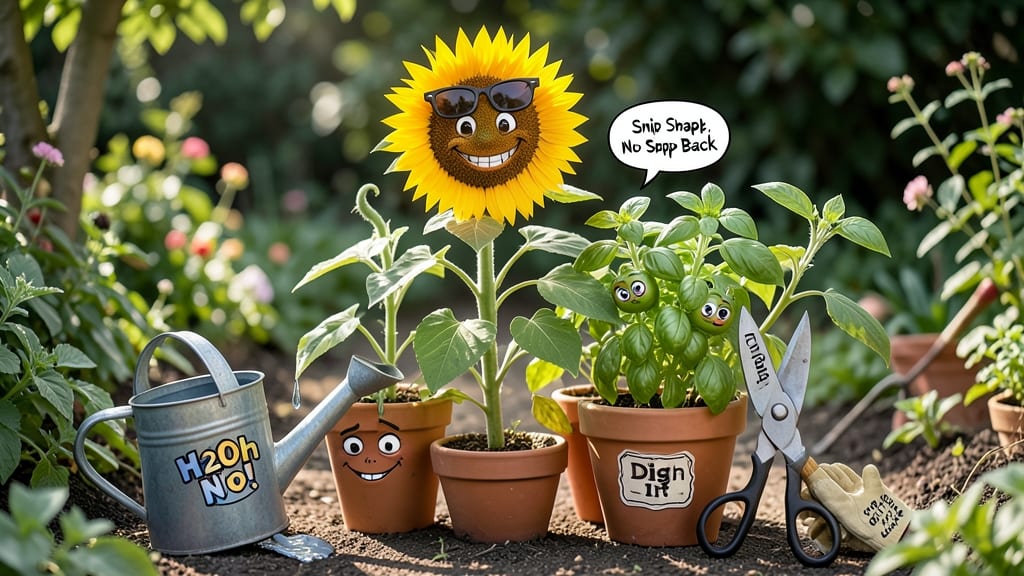
Gardening slang describes the colorful, informal language gardeners use to talk about plants, tools, and growing challenges—think 'thug' for a tough, resilient plant or 'brown thumb' for someone who struggles with keeping plants alive. These terms often come from regional traditions, plant behaviors, or clever ways to describe common gardening headaches like pests or weather problems.
Gardening slang isn't just fun—it's a shortcut for experienced growers to communicate quickly. 🌱 For example, calling a plant a "diva" means it's fussy about conditions, while "grandma's secret" refers to a prized heirloom variety.
These terms help beginners understand complex concepts faster, like when someone says their tomatoes are "bolting" (flowering too early) or their soil is "black gold" (rich, fertile dirt). The language evolves with each generation, blending practical advice with humor to make gardening feel less intimidating.
What's interesting is how these terms vary by region—what one gardener calls a "squash bug" might be a "zucchini assassin" to another. Some slang even comes from plant folklore, like calling a weed a "garden witch" because it seems to spread magically.
Whether you're troubleshooting pests or bragging about your "thug" roses, gardening slang makes the hobby feel like part of a shared community tradition.
💡 In This Article
- Where Gardening Slang Comes From: Origins and Cultural Roots
- Top 50 Gardening Slang Terms Every Beginner Should Know
Where gardening slang comes from: origins and cultural roots
Gardening slang has deep roots in agricultural history, evolving from practical needs to cultural expressions. Many terms originate from 18th- and 19th-century farming communities, where gardeners developed shorthand to describe plants, pests, and soil conditions without lengthy explanations.
For example, calling a resilient plant a "thug" comes from its ability to withstand harsh conditions—just like how tough individuals are nicknamed in urban slang. This linguistic parallel shows how gardening terms mirror broader cultural shorthand for resilience.
The language also reflects regional plant behaviors. In the Pacific Northwest, "black gold" describes rich, fertile soil because of its dark, nutrient-dense appearance—similar to how gold miners once called valuable dirt "black dirt."
Meanwhile, Southern gardeners might call a stubborn weed a "garden witch" because it spreads uncontrollably, tying into folklore about mischievous spirits. These terms often vary by climate: "squash bugs" in the Midwest might be called "zucchini assassins" in California, where summer heat accelerates their damage.
Plant folklore plays a huge role too. Many slang terms stem from old wives' tales or indigenous knowledge passed down through generations. For instance, calling a plant "grandma's secret" honors heirloom varieties that were carefully preserved for their unique traits—like disease resistance or flavor.
This tradition of naming plants after people or places (e.g., "Joe's favorite tomato") creates a sense of community ownership over gardening knowledge. 🌿 The humor in these terms—like calling a fussy plant a "diva"—also makes complex gardening concepts more approachable for beginners.
Seasonal tasks give rise to slang that reflects the rhythm of gardening. Terms like "deadheading" (removing spent flowers) or "bolting" (plants flowering prematurely) describe specific growth stages that every gardener encounters. These words act as mental shortcuts, helping growers quickly diagnose issues or celebrate successes.
For example, when someone says their peppers are "going to seed," it means the plant is shifting energy from fruit production to reproduction—a critical moment for harvest timing.
Modern gardening slang also absorbs influences from urban farming and social media. Terms like "container gardening" or "square foot gardening" reflect contemporary methods, while hashtags like #GardenHacks turn practical advice into viral trends. Even technology has its own slang—"self-watering pots" or "smart sensors"—showing how gardening language adapts to new tools.
The blend of old traditions and new innovations keeps the language fresh while maintaining its core function: making gardening more efficient and enjoyable.
What’s fascinating is how these terms create a shared language among gardeners. Whether you're troubleshooting pests with a "squash bug" or admiring a "thug" rose that survived winter, the slang fosters connection.
It’s a way to say, "I get it," without words—like a secret handshake for plant lovers. 🌱 This cultural glue is why gardening slang persists: it’s both practical and personal.