
Tools
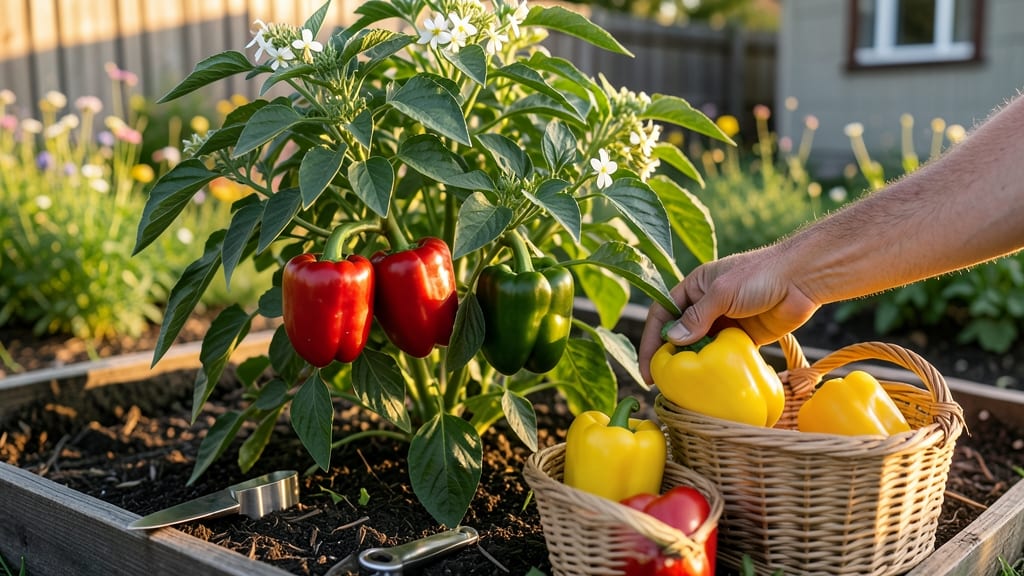
What to do with peppers from your garden goes far beyond salads—ferment them into hot sauce, pickle them for crunchy snacks, dry them for seasoning blends, or freeze them whole for later cooking. Preserve excess harvests to enjoy fresh flavors year-round without waste.
When your garden overflows with peppers, turning them into value-packed preserves unlocks a world of culinary creativity. 🌶️ Fermentation transforms peppers into probiotic-rich hot sauces, while pickling preserves their vibrant crunch for months. Drying peppers concentrates their heat and flavor, perfect for making homemade chili powders or seasoning blends.
Freezing whole peppers maintains their texture for quick cooking later—ideal for stir-fries or stuffed dishes. The key is matching each preservation method to your pepper variety and storage goals.
Beyond food, garden peppers have surprising uses: their skins make natural dyes for fabric, and their seeds can deter pests when scattered around plants. For those with a surplus, experimenting with different preservation techniques ensures no harvest goes to waste while keeping your kitchen stocked with bold flavors.
💡 In This Article
- Science of Preserving Garden Peppers
- 15 Creative Ways to Use Homegrown Peppers
Science of preserving garden peppers
Preserving garden peppers relies on three core scientific principles: moisture removal, acidification, and microbial inhibition. Dehydration works by reducing water content to 10-15% of the original weight, which prevents microbial growth. This process concentrates sugars and flavors while creating a stable environment.
For example, drying jalapeños at 140°F (60°C) for 6-8 hours transforms them into chipotles, where the natural capsaicin intensifies. 🔥 The key is maintaining consistent airflow to avoid mold formation.
Fermentation creates an acidic environment through lactic acid bacteria, which lowers pH to 4.6 or below—the safety threshold for inhibiting harmful microbes. When making hot sauce, peppers are submerged in brine with 2-3% salt and 1-2% vinegar, creating a protective barrier.
The bacteria consume sugars, producing acids that preserve flavor while adding tangy complexity. This is why fermented peppers develop deeper umami notes over 2-4 weeks of aging.
Pickling uses vinegar's acetic acid (typically 5% solution) to both preserve and enhance flavor. The acid denatures proteins in pepper cell walls, softening texture while preventing spoilage. For crisp pickles, use 1-2 teaspoons of citric acid per quart to maintain firmness.
The science here is precise: too little acid risks botulism, while too much can make peppers mushy. 💫 This method works best with firm varieties like bell peppers or banana peppers.
Freezing preserves peppers by halting microbial activity through ice crystal formation. Whole peppers freeze best at -18°C (0°F) or below, with 90% of their original texture retained after 12 months.
The trick is blanching (dipping in 160°F (71°C) water for 2-3 minutes) first—this stops enzyme activity that causes texture breakdown. For stuffed peppers, freeze them uncooked in their final assembly to maintain structural integrity.
Each method targets specific pepper characteristics: dehydration works best with heat-loving varieties (like habaneros), fermentation excels with mild peppers (bell peppers), and freezing preserves all types equally. The choice depends on your flavor goals—whether you want concentrated heat, probiotic benefits, or convenience for future cooking. 🌟
Understanding these processes helps you troubleshoot common issues: mold in dried peppers often means uneven airflow, while cloudy brine in pickles indicates insufficient acidification. By mastering these scientific principles, you can extend your harvest's shelf life while unlocking new flavor dimensions in every preservation method.