
Tools
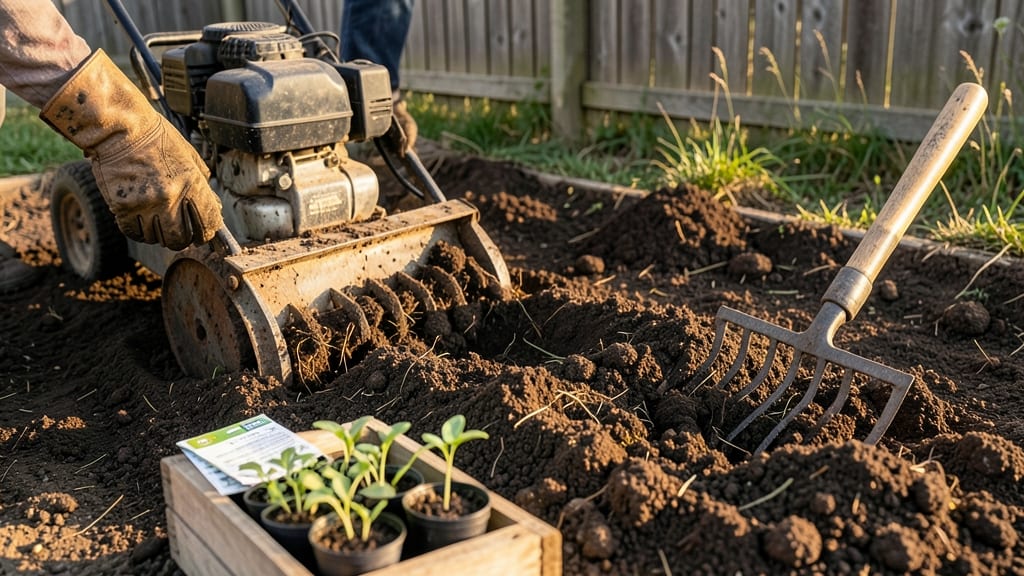
The best time to till a garden is during early spring or fall when soil temperatures sit between 50–60°F (10–15°C), ensuring the ground is soft enough to work without being frozen or waterlogged. This timing prevents erosion and protects delicate root systems from summer heat or winter damage.
Timing matters because soil at 50–60°F is just right—warm enough for microbes to break down organic matter but cool enough to avoid drying out. 🌱 Tilling in summer can bake the soil, killing beneficial bacteria, while winter tilling risks compacting the earth.
I’ve found that early spring tilling (after the last frost) gives plants a head start, while fall tilling (before the first freeze) helps winter prep by loosening soil for better drainage.
Your climate zone also plays a role. In warmer regions, you might till twice a year—once in late winter and again in early fall—while colder areas may only get one opportunity in spring. For vegetable gardens, tilling 2–3 weeks before planting gives seeds the perfect loose bed to root into.
💡 In This Article
- How Soil Temperature Affects Tilling Success
- Seasonal Tilling Schedule by Region and Plant Type
How soil temperature affects tilling success
The ideal 50–60°F (10–15°C) soil temperature range isn't arbitrary—it's where soil physics and biology align perfectly. At these temperatures, soil moisture remains balanced, neither too frozen nor too dry, creating the perfect workable consistency.
This range also activates beneficial soil microbes, which break down organic matter into nutrients plants can absorb. When soil is colder than 50°F, microbial activity slows dramatically, reducing decomposition and nutrient availability by up to 40%. 🌱
Temperature extremes disrupt soil structure in different ways. Hot summer soil (above 85°F) can dry out and develop a hardpan layer, while cold winter soil (below 40°F) becomes compacted and resistant to tilling tools. The 50–60°F window ensures soil crumbles easily, allowing roots to penetrate without resistance.
For example, in USDA Zone 5, spring tilling should begin when soil reaches 55°F—about 2–3 weeks after the last frost—while fall tilling works best when temperatures drop to 60°F before winter sets in.
Soil texture plays a surprising role too. Sandy soils warm up faster but dry out quicker, while clay soils stay cooler and retain moisture longer. This means timing adjustments: in sandy areas, you might till 1–2 weeks earlier in spring than clay-heavy regions.
The key is monitoring soil temperature with a simple probe—most garden centers sell them for under $10. This small investment prevents overworking dry soil or tilling when the ground is still too cold to break apart cleanly.
What most gardeners overlook is how tilling affects soil aeration. At 50–60°F, the soil's pore spaces are just right for oxygen exchange, which is crucial for root respiration.
Tilling too early in cold soil can actually reduce aeration by compacting the top layer, while tilling in summer heat can bake out oxygen, creating anaerobic pockets where harmful bacteria thrive. The result? Stunted plant growth or even root rot in extreme cases.
Consider this comparison: tilling frozen ground in early spring (common in Zone 4) can shear plant roots that survived winter, while tilling dry summer soil (like July in Zone 7) creates dusty, erosion-prone conditions. The 50–60°F sweet spot gives you that golden window where the soil is cooperative, not combative.
Think of it like baking bread—you wouldn't knead dough when it's too cold or too hot, and the same principle applies to your garden bed.
Pro tip: If you're in a transitional climate (like the Pacific Northwest), check for 3 consecutive days above 50°F before tilling—this consistency ensures the soil will stay workable for your entire project.
And always till when the ground is damp but not soggy—press your hand into the soil; if it leaves a faint imprint, it's ready. 💫