
Shrubs
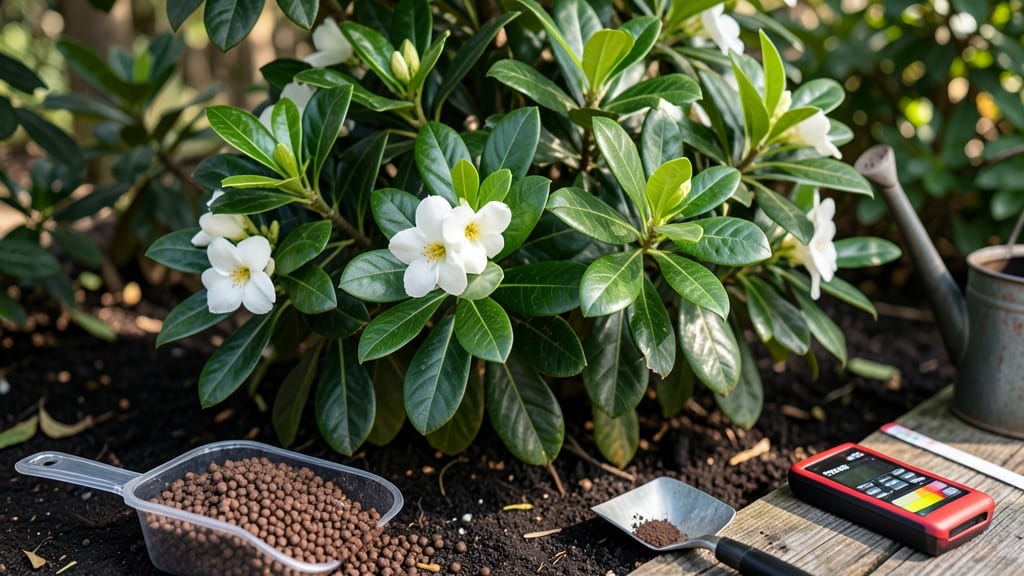
Fertilizing gardenias at the right time 🌸 is the key to those fragrant blooms you’ve been dreaming of—miss the window, and you’ll end up with leafy shrubs but no flowers.
If you’ve ever watched your gardenias put out lush green leaves but refuse to bloom, you’re not alone. The secret isn’t just what you feed them, but when—and most gardeners get this part wrong.
Timing your fertilizer applications to match your gardenia’s natural growth cycle is what turns a struggling shrub into a showstopper.
In this guide, we’ll break down the best months to fertilize gardenias in USDA Zone 6, how to adjust for your local climate, and the signs that tell you’re over- or under-feeding.
Whether you’re a first-time gardener or a seasoned pro, these tips will help you coax out those coveted white blooms year after year.
You’ll also learn how to choose the right fertilizer (organic vs. synthetic), how often to feed them during the growing season, and what to do when your gardenias start sending you warning signals. Let’s get those gardenias blooming like never before!

Best times to fertilize gardenias for maximum blooms
If you've ever watched your gardenias produce fewer blooms than expected, the issue might be your fertilization timing. These fragrant shrubs thrive when fed at the right moments—typically spring and early summer—but feeding at the wrong time can stress them or even halt flowering.
The key is aligning fertilization with their natural growth cycles, especially in USDA Zones 7-10 where they flourish year-round.
Gardenias need a balanced approach to fertilization. Too much nitrogen early on will produce lush leaves but few blooms, while skipping feeding entirely can weaken the plant.
I’ve learned from experience that early spring and late summer are the sweet spots—just before the bloom cycle kicks in and after the first flush of flowers fades. Let’s break down the exact timing and climate-specific adjustments to get your gardenias blooming like crazy.
🌸 GARDENIA FERTILIZATION GUIDE 🌸
In warm climates like Florida or California, gardenias grow almost year-round, so I adjust my schedule to feed lightly in winter months (December-February) if the plant shows signs of new growth.
However, in cooler zones like Zone 5 or 6, I wait until after the last frost—usually mid-May—to avoid shocking the plant with early warmth and fertilizer.
Timing isn’t just about the calendar—it’s also about observing your plant’s cues. If your gardenia is already showing buds by early spring, hold off on feeding until after the first flush of blooms has faded.
This prevents the plant from redirecting energy to new growth instead of supporting existing flowers. I once made the mistake of fertilizing too early in March, and my gardenias produced mostly leaves with minimal blooms that season.
For container-grown gardenias, the rules are slightly different. Since potted plants dry out faster, I feed them every 3-4 weeks during the growing season but cut back to monthly in summer to prevent salt buildup.
Always water thoroughly after fertilizing to help nutrients reach the roots and avoid burning the delicate foliage. A morning application is ideal—it gives the plant time to absorb nutrients before the heat of the day.
One of my favorite organic options is fish emulsion or cottonseed meal, both of which provide a gentle nitrogen boost while improving soil structure. For synthetic fertilizers, I recommend sulfur-coated urea or a 10-10-10 blend specifically formulated for acid-loving plants.
The key is consistency—stick to a 4-6 week schedule during the active growing months, and always follow the manufacturer’s instructions for dosage.
If you’re in a drought-prone area, reduce fertilization frequency to every 6-8 weeks and focus on deep watering. Over-fertilizing in dry conditions can lead to leaf burn or even root damage.
I’ve seen gardenias in Arizona thrive with minimal feeding but plenty of mulch to retain moisture. Always prioritize soil moisture over fertilizer when temperatures exceed 90°F.
Remember, gardenias are heavy feeders but sensitive to excess nutrients. If you notice yellowing leaves, leaf drop, or stunted growth, flush the soil with water to remove excess salts and reduce feeding frequency.
The goal is to support steady, healthy growth—not rapid spikes that lead to weak blooms. With the right timing and care, your gardenias will reward you with abundant,
How to choose the right fertilizer for gardenias
Choosing the right fertilizer for gardenias is like selecting the perfect perfume—get it wrong, and you’ll end up with a scent (or in this case, a plant) that’s all wrong.
Gardenias thrive on a balanced diet with just the right mix of nutrients, but their acid-loving nature means not all fertilizers are created equal. The wrong choice can lead to leaf burn, stunted growth, or—worst of all—no blooms at all.
For gardenias, the NPK ratio (Nitrogen-Phosphorus-Potassium) should lean toward phosphorus to encourage blooming, but nitrogen is still crucial for lush foliage. A 10-10-10 or 12-4-8 ratio is ideal, paired with acidifying amendments like sulfur-coated urea or peat moss.
But before you grab the first bag you see, let’s break down the pros and cons of organic vs. synthetic options to help you make the best choice for your fragrant shrubs.
Organic vs. Synthetic Fertilizers for Gardenias
Organic Fertilizers
- Pros: Slow-release, improves soil health, acidifying
- Examples: Fish emulsion, compost tea, bone meal
- Best for: Long-term soil enrichment
- Cons: Requires more frequent applications, can attract pests
- Application: Mix into soil or foliar spray
Synthetic Fertilizers
- Pros: Fast-acting, precise nutrient control, convenient
- Examples: Sulfur-coated urea, 10-10-10 granules
- Best for: Quick nutrient boost during blooming season
- Cons: Can burn roots if overapplied, no soil benefits
- Application: Granular spread or liquid feed
🌿 Tip: For best results, combine organic and synthetic fertilizers—organic for soil health and synthetic for quick blooming power.
When applying fertilizer, timing is everything. Start feeding in early spring as new growth appears, using about 1 tablespoon per plant of a balanced fertilizer. Increase to 2 tablespoons during the peak blooming season (summer), but always water thoroughly after application to prevent root burn.
Avoid fertilizing in late summer or fall, as this can encourage tender new growth that won’t survive winter.
One of the biggest mistakes gardeners make is overfeeding gardenias, especially with nitrogen-heavy fertilizers. Too much nitrogen will give you a bushy shrub with no flowers, while too little phosphorus will leave you with weak blooms.
Always follow the package instructions, and when in doubt, err on the side of less—you can always add more later if needed.
For container-grown gardenias, reduce the fertilizer amount by half to avoid salt buildup in the soil. These plants are sensitive to salt accumulation, which can occur with frequent synthetic fertilizer use. Flush the soil with water every few months to keep salts from damaging the roots.
If you notice yellowing leaves or stunted growth, it’s a sign you’ve overdone it—cut back on fertilizing and focus on improving soil drainage and acidity.
Remember, gardenias are acid-loving plants, so always pair your fertilizer with an acidifier like sulfur or peat moss. Aim to maintain a soil pH between 5.0 and 6.0. Test your soil annually to ensure it’s in the right range, and adjust your fertilizer choices accordingly.
With the right nutrients and timing, your gardenias will reward you with abundant, fragrant blooms that’ll make your garden the envy of the neighborhood.