
Picking
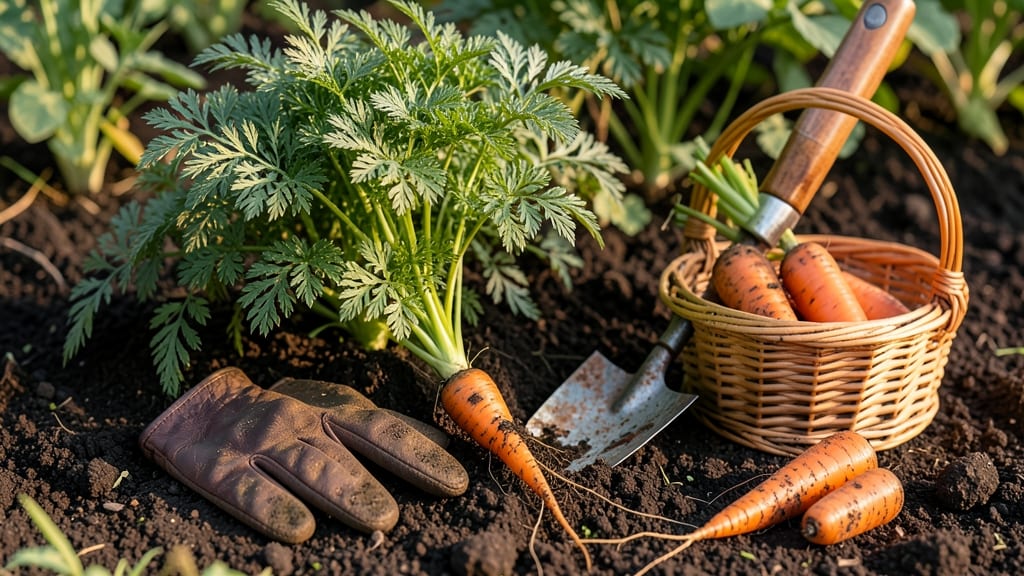
Picture this: you’ve spent weeks tending to your 🥕 patch, and now the moment has arrived. But how do you know when to pull them? Grab them too soon, and they’ll be small and woody.
Leave them too long, and they’ll split or turn bitter. The key is learning the three visual cues that signal peak ripeness.
Timing isn’t just about days since planting—it’s about soil conditions, leaf size, and even the weather. In Zone 6a, spring-planted carrots often hit their sweet spot in June or July, while fall crops may be ready by October.
But the real magic happens when you check for firmness, color, and leaf height.
Below, I’ll walk you through the exact signs to look for, plus the best time of day to harvest for maximum flavor. No more guesswork—just crisp, delicious carrots pulled at their prime.


3 Visual cues to determine when carrots are ready for harvest
There’s nothing worse than pulling a carrot from the ground only to find it’s still tiny and woody, or worse—overgrown and tough. The secret to harvesting sweet, tender carrots lies in recognizing three key visual cues that tell you it’s time to pick.
These signs ensure you enjoy carrots at their peak flavor and texture, not after they’ve gone past their prime. I’ve learned the hard way that waiting too long means sacrificing that perfect crunch and sweetness we all love.
Carrots don’t send obvious signals like tomatoes turning red or cucumbers swelling up overnight. Instead, you need to pay attention to subtle but unmistakable changes in their leaves, roots, and skin. Mastering these cues will transform your harvest from hit-or-miss to consistently delicious.
Let’s break down what to look for so you can pull carrots at the exact moment they’re ready to eat—no guessing required.
🌱 3 Visual Cues Your Carrots Are Ready to Harvest
- 1. Leaf Size: 6-8 inches tall with healthy, deep green foliage—this means the root below has reached ideal size.
- 2. Root Exposure: The stem end turns yellow or brown (not green) when pulled slightly from the soil—this signals maturity.
- 3. Skin Firmness: The skin resists your thumbnail when pressed gently—soft skin means underripe or overripe carrots.
Let’s start with the first cue: leaf size. Carrot tops grow steadily, and their height directly correlates with the size of the root below.
When the leaves reach 6-8 inches tall, that’s your first green light that the root has likely grown to the ideal harvest size of about 6-8 inches long.
I always measure mine against a ruler to avoid eyeballing it—trust me, your eyes can play tricks when you’re eager for a harvest!
Next, focus on the stem end of the carrot. When you gently pull up on a carrot and see a yellow or brown stem (not green), that’s a clear sign the root has matured. This change happens because the plant is redirecting energy from leaf growth to root development.
If the stem is still bright green, give it another week or two—the carrot isn’t ready yet. This cue is especially important for baby carrots, which should be harvested slightly earlier when the stem is just turning pale.
The third and most critical cue is skin firmness. A properly mature carrot’s skin should feel firm to the touch—almost like a small, smooth potato. To test this, press your thumbnail into the carrot’s skin. If it resists slightly (but doesn’t hurt), it’s ready.
If the skin gives way easily, the carrot is either underripe or overripe. Overripe carrots become woody and lose their sweetness, while underripe ones stay tough and bland. This test is my go-to method for determining readiness, especially when I’m harvesting a large batch.
Here’s a pro tip: Harvest on a cool, overcast day to reduce stress on the plant. Warm, sunny days can cause carrots to bolt or split, especially if the soil is dry. I like to harvest in the early morning when the soil is moist but not soggy.
This timing also helps preserve the carrot’s sweetness and crispness. If you’re harvesting in hot weather, do it right after watering to make the roots easier to pull without breaking.
One common mistake I see is waiting until the leaves yellow and die back completely. By then, the carrots are often overgrown and tough. The key is to harvest just before the leaves start to yellow—this ensures you get the sweetest, most tender roots.
For storage carrots, you can leave them in the ground a little longer, but for eating fresh, aim for that peak maturity window when all three cues align.
If you’re growing heirloom or long varieties, like Danvers or Purple Haze, they may take slightly longer to mature—sometimes up to 80 days. Always check the seed packet for specific variety guidelines, but use these visual cues as your final judge.
And remember, consistent soil moisture is key to avoiding split or forked roots, which can make harvesting tricky. A well-watered garden means smoother, easier pulls and fewer surprises underground.
Finally, don’t forget to rotate your harvests if you’re growing multiple rows. This prevents overcrowding and ensures all your carrots reach maturity at the same time. I like to mark my rows with stakes so I can keep track of planting dates and expected harvest times.
With these visual cues in mind, you’ll never again wonder “Are my carrots ready?”—you’ll just know.
Best time of day and season for carrot harvesting
Timing your carrot harvest correctly transforms your garden into a treasure trove of sweet, tender roots instead of tough, woody disappointments. The best time of day to harvest carrots is early morning when temperatures are cool and soil moisture is optimal.
This reduces stress on the plants and preserves their natural sweetness. I always grab my favorite harvesting fork before 9 AM to avoid the midday heat that can make carrots more prone to bruising.
Seasonal timing also plays a crucial role in carrot flavor and texture. Spring-planted carrots typically reach harvest readiness between June and July, while fall-planted varieties are best picked from October to November.
The key is to harvest before the first hard frost, which can turn your sweet carrots into mushy, bitter messes. In USDA Zone 6a, where I garden, the last frost usually arrives around April 15, giving me a perfect window for both spring and fall harvests.
| Harvest Condition | Ideal Time | Seasonal Notes |
|---|---|---|
| Time of Day | Early morning (6-9 AM) | Cool soil prevents bruising |
| Seasonal Window | June-July (spring) or Oct-Nov (fall) | Harvest before first frost |
| Soil Moisture | Evenly moist (not soggy) | Dry soil makes carrots tough |
| Temperature | 50-75°F (10-24°C) | Extreme heat causes bolting |
| Daylight Hours | 12+ hours of daylight | Longer days = sweeter carrots |
Regional planting schedules significantly impact your harvest timing. In cooler climates like mine, I plant short-season varieties like 'Early Nantes' in early spring and late summer for fall harvests. Warmer regions can extend their growing season, allowing for year-round production with careful succession planting.
The key is to match your planting schedule with your local frost dates to maximize your harvest window.
Carrot flavor actually improves with cooler temperatures, so fall-harvested carrots often taste sweeter than their spring counterparts. This happens because the plant converts excess sugars into natural sweetness as daylight hours shorten.
I've found that carrots harvested in October, just before the first frost, have the perfect balance of sweetness and crunch. For the best results, always harvest when the soil temperature stays above 50°F (10°C) during the day.
One common mistake gardeners make is waiting too long to harvest, especially with fall-planted carrots. While they can survive light frosts, prolonged cold turns them woody and less palatable. I recommend checking your carrots every 2-3 days during peak harvest season to catch them at their sweetest.
A quick soil check with your fingers—looking for firm, well-formed roots—is all it takes to determine readiness.
For continuous harvests, I use the succession planting method, staggering my plantings every 2-3 weeks during the growing season. This ensures a steady supply of fresh carrots from early summer through late fall. The secret to success?
Keeping your soil loose and well-drained—carrots hate compacted soil, which leads to forked or misshapen roots. With the right timing and conditions, you'll enjoy a bountiful harvest of garden-fresh, sweet carrots all season long. 🥕