
Picking
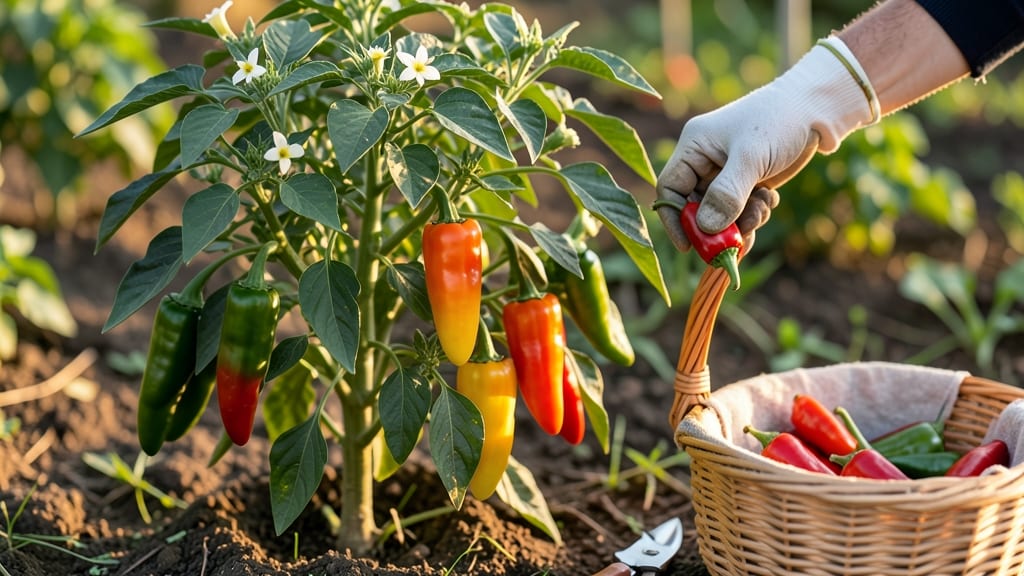
To pick garden salsa peppers at the perfect moment means capturing their boldest heat and crispest texture before they lose it to overripeness.
Many gardeners wait too long, chasing size over flavor—only to end up with peppers that are soft, seedy, and lacking the fiery punch that makes salsa sing.
The truth? The best time to harvest isn’t just about color; it’s about a mix of firmness, size, and even the time of day you pick them.
In this guide, I’ll break down the color-coded stages of ripeness, from green to red, and share the 5 key signs your salsa peppers are ready for the pot. You’ll also learn how to avoid common mistakes that turn your harvest into a flavor disappointment.
Whether you’re growing 🌶️ jalapeños or habaneros, these tips will help you time your pick perfectly for the boldest, freshest salsa every season.


Salsa pepper ripeness by color: green to red heat progression chart
Harvesting salsa peppers at the right color stage determines both heat intensity and flavor complexity. Unlike many gardeners assume, green peppers aren't always the mildest option—it depends on the variety and ripening process.
The capsaicin compound, responsible for heat, actually increases as peppers mature, but so does their sweetness. Understanding these color-to-heat transitions ensures your homemade salsa packs the perfect balance.
Most salsa peppers follow a predictable color progression: green → yellow → orange → red. However, some varieties like jalapeños or serranos may skip stages or mature directly to red.
The heat level (measured in Scoville units) typically rises with each color shift, but flavor compounds like sugars also develop. For example, a red jalapeño can be 2-3 times hotter than its green counterpart while offering a sweeter, fruitier taste. Let's break down each stage.
At the green stage, peppers contain the least capsaicin but highest acidity, making them ideal for salsa verde or pickled applications. Their grassy, tangy flavor works well when you want a lighter heat profile.
However, if you're growing varieties like jalapeños or serranos, waiting for color change can significantly increase heat—sometimes by 300-500% in Scoville units. For example, a green jalapeño averages 2,500-5,000 SHU, while a red jalapeño can hit 8,000-15,000 SHU.
When peppers shift to yellow, they begin developing sugars and carotenoids, which contribute to their sweeter, floral notes. This stage is perfect for gardeners who want a milder heat with added complexity.
The heat level rises moderately, but the texture remains crisp, ideal for fresh salsa. If you're making roasted salsa, yellow peppers caramelize beautifully, enhancing their natural sweetness. Just be aware that some varieties may skip yellow entirely and go straight to orange or red.
The orange stage marks a significant flavor transformation—peppers become sweeter and more complex, with a caramel-like depth. Heat levels climb further, making this stage popular for classic red salsa recipes.
The skin thickens slightly, which helps preserve heat when cooking. For drying peppers, the orange stage is often preferred because it retains more capsaicin than
5 Signs your salsa peppers are ready (beyond just color)
Waiting for salsa peppers to turn red isn't enough—many varieties peak at yellow or orange, while others stay green. The true test of ripeness lies in texture, size, and environmental cues.
I’ve harvested peppers at the wrong stage too many times to count, and the difference in flavor is night and day.
Color alone can be misleading. For example, jalapeños might turn red but lose their signature heat if left too long. Instead, focus on these five key indicators that work for every pepper variety, from serrano to poblano. These signs ensure maximum heat, crispness, and flavor for your homemade salsa.
🌶️ 5 Signs Your Salsa Peppers Are Ready
- 📏 Full Size: Compare to the plant’s largest peppers. Undersized peppers won’t have developed full flavor or heat.
- 🤲 Firm Skin: Gently squeeze—ripe peppers should feel firm and slightly glossy, not soft or wrinkled.
- 🌡️ Stem Separation: Twist gently at the stem. If it snaps cleanly (not tears), it’s ready to pick.
- ☀️ Consistent Color: Deep, uniform color (no green patches) means full ripeness. Check for variety-specific hues (e.g., red for serrano, yellow for banana pepper).
- 🌡️ Daylight Cues: Harvest in morning hours when temperatures are cooler. Peppers picked in hot afternoons may wilt faster.
Don’t overlook the stem test—it’s the most reliable trick I’ve learned. A pepper that twists off easily with a slight resistance is at its peak. If it resists too much, it’s still maturing; if it pulls away with no effort, it’s overripe and losing heat.
Environmental clues matter too. In hot climates, peppers ripen faster and may need harvesting every 2-3 days. In cooler zones, like USDA Zone 6a, peppers take longer to reach full flavor. Watch for shorter daylight hours in late summer—a signal to harvest before frost threatens.
Overripe peppers (soft, wrinkled, or dull-colored) lose capsaicin potency, the compound responsible for heat. For milder salsa, you might intentionally pick slightly underripe green peppers, but for maximum fire, aim for deep color and firmness.
Trust these signs, and your salsa will be bold, crisp, and full of flavor.