
Picking
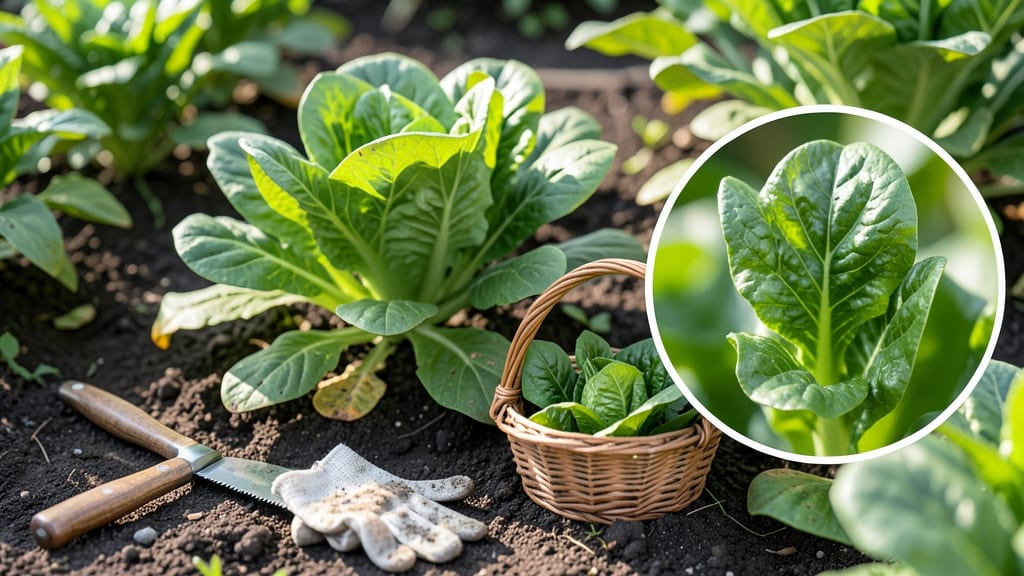
To pick lettuce from the garden at the perfect time means crisp, flavorful leaves every time—no bitter surprises or wasted effort.
Picture this: you’ve nurtured your 🥬 for weeks, only to pull a wilted, tough leaf that tastes like disappointment. The difference between a harvest worth bragging about and one that falls flat? Timing. Too early, and you’re left with sparse regrowth; too late, and you’re dealing with bolted, bitter greens.
Lettuce thrives when harvested at the right stage—outer leaves should be 4-6 inches long, firm to the touch, and vibrant in color. This isn’t just about taste; it’s about extending your harvest season by encouraging regrowth without stressing the plant.
Skip the guesswork and learn the exact cues to watch for, from leaf size to weather conditions, so you’re always harvesting at peak freshness.
In this guide, I’ll walk you through leaf-by-leaf harvesting techniques, common mistakes to avoid, and the best time of day to pick for maximum flavor. Whether you’re a beginner or a seasoned gardener, these tips will keep your lettuce producing like a pro—no bitter aftertaste in sight.


How to identify the perfect time to harvest lettuce leaves
Knowing when to pick lettuce from your garden transforms your harvest from bland to brilliant. The difference between crisp, sweet leaves and bitter disappointment often comes down to timing. Lettuce is one of those crops where harvesting early and often pays off—both in flavor and yield.
Whether you're growing leaf lettuce, romaine, or butterhead, visual cues and growth stages are your best guides.
Lettuce doesn't send obvious signals like tomatoes turning red, so you'll need to watch for leaf size, firmness, and color changes. A single misstep—like waiting too long—can turn your tender greens into tough, bitter stalks.
The good news? With the right approach, you can enjoy fresh lettuce for weeks by harvesting outer leaves first and letting the inner leaves continue growing.
Here’s what to look for when deciding when to harvest lettuce from your garden, broken down by variety and key indicators:
| Lettuce Type | Leaf Size | Firmness | Color | Days to Harvest |
|---|---|---|---|---|
| Leaf Lettuce | 4-6 inches long | Crisp, not floppy | Vibrant green or deep red | 30-45 days |
| Romaine | 6-8 inches tall | Firm, upright stalks | Bright green | 50-60 days |
| Butterhead | 6-8 inches wide | Soft, tender leaves | Buttery yellow-green | 45-55 days |
| All Varieties | Avoid leaves >8 inches | No wilting or yellowing | Uniform color | Harvest before bolting |
For leaf lettuce, focus on individual leaves reaching 4-6 inches in length. These varieties are perfect for cut-and-come-again harvesting, meaning you can snip the outer leaves and let the inner ones grow. Look for crisp texture and vibrant color—dull or yellowing leaves are past their prime.
If you wait too long, the leaves will toughen up and develop a bitter taste, especially in warmer weather.
Romaine lettuce, on the other hand, thrives when its stalks reach 6-8 inches tall. The heads should feel firm and upright, not floppy or spreading. Harvest romaine by cutting the entire head at the base when it’s fully formed.
If you see the center starting to loosen or the leaves curling, it’s time to pick—these are signs the plant is nearing the end of its optimal harvest window.
Butterhead lettuce is all about soft, tender leaves that form a loose rosette. Aim for heads that are 6-8 inches wide with a buttery yellow-green hue. Unlike romaine, butterhead lettuce doesn’t hold up well to heat, so harvest it early in the season or in cooler months. If the leaves start to yellow or pucker, it’s a clear sign to pick before the quality declines.
Timing your harvest isn’t just about leaf size—it’s also about avoiding bolting, the process where lettuce sends up a flower stalk. Bolting happens when lettuce experiences heat stress, drought, or day length changes. Once it bolts, the leaves turn bitter and tough.
To prevent this, keep your lettuce well-watered, mulched, and in partial shade during hot afternoons. If you see the center of the plant elongating or small buds forming, it’s time to harvest everything immediately.
Pro tip: Always harvest lettuce in the morning when temperatures are cool. This ensures the leaves are crisp and hydrated, not wilted from daytime heat. Use a clean, sharp knife or scissors to avoid damaging the plant.
For leaf lettuce, snip individual leaves just above a leaf node to encourage regrowth. For romaine and butterhead, cut the entire head at the base.
If you miss the ideal harvest window and your lettuce starts to bolt, don’t despair. Young flower stalks are edible and can be blanched to remove bitterness. However, the best strategy is to stay ahead of the game by harvesting regularly.
This not only gives you fresh greens but also extends your lettuce season by preventing the plant from exhausting its energy on flowering.
Remember, the key to continuous lettuce yield is balance. Harvest just enough to enjoy fresh greens without over-stressing the plant. With these visual cues and a little practice, you’ll master the art of when
Leaf-by-leaf harvesting techniques for continuous lettuce yield
Extending your lettuce harvest season doesn’t require planting new seeds every few weeks—it’s all about strategic leaf-by-leaf harvesting. By removing only the outer leaves at the right time, you encourage the inner leaves to grow larger and more flavorful.
This method works for all lettuce types, from loose-leaf varieties to romaine and butterhead, and keeps your garden producing for weeks longer than traditional full-head harvesting.
The key to success lies in timing and technique. You’ll want to harvest when leaves reach 4-6 inches long and are firm to the touch, but before the plant starts bolting. Bolting—when lettuce sends up a flower stalk—turns your crisp greens into bitter, tough stalks.
With the right approach, you can enjoy fresh lettuce for 6-8 weeks from a single planting, making this a gardener’s dream for continuous yields.
Here’s how to master the technique, step by step, so you’re always harvesting at peak freshness without stressing your plants.
- 🌱 Step 1: Wait for Ideal Leaf Size
Harvest when outer leaves reach 4-6 inches long. For loose-leaf varieties, this means the largest leaves are ready. For head lettuce, focus on the outermost leaves of the forming head.
- 💧 Step 2: Check for Firmness and Color
Press a leaf gently—it should feel crisp and firm, not soft or wilted. The color should be vibrant and consistent (deep green for most varieties, rich red for red leaf types). Avoid harvesting if leaves are yellowing or browning.
- ✂️ Step 3: Use the Right Tools
Grab a pair of sharp pruning shears or a clean kitchen knife. Dull tools crush leaves, making them more susceptible to disease and rot. Cut leaves 1/4 inch above the next leaf to encourage regrowth.
- 🌿 Step 4: Harvest Outer Leaves Only
Remove 1-2 outer leaves per harvest, leaving the inner leaves intact. This minimizes stress on the plant and allows the center leaves to mature. For loose-leaf varieties, you can harvest up to half the plant at once if needed.
- ☀️ Step 5: Time Your Harvest
Harvest in the morning when leaves are cool and crisp. Avoid harvesting in the heat of the day, as this can cause wilting. If you must harvest later, store leaves in the fridge immediately to preserve freshness.
- 🌱 Step 6: Encourage Regrowth
After harvesting, water the base of the plant to support regrowth. Apply a light fertilizer (like a 5-10-10 blend) if new growth slows down. Avoid over-fertilizing, as this can lead to bolting or excessive leafiness.
- ⏰ Step 7: Repeat Every 7-10 Days
Continue harvesting outer leaves every 7-10 days as they reach maturity. This keeps the plant productive and prevents it from bolting prematurely. In cooler months, you can stretch this to 10-14 days between harvests.
One of the biggest mistakes gardeners make is harvesting too aggressively or too infrequently. If you remove too many leaves at once, the plant may struggle to recover and could bolt. On the flip side, waiting too long between harvests leads to tough, bitter leaves.
The 7-10 day rule balances regrowth and flavor, ensuring your lettuce stays sweet and crisp for as long as possible.
Pro tip: Keep a harvest journal to track which varieties regrow best in your climate. Some loose-leaf lettuces, like Black Seeded Simpson, are more resilient and produce for weeks longer than romaine or iceberg.
Adjust your harvesting frequency based on your observations—this is how you’ll fine-tune your technique for maximum yield.
With these leaf-by-leaf techniques, you’ll enjoy a continuous supply of fresh lettuce without the need for constant replanting. Plus, you’ll avoid the heartbreak of bitter, bolting lettuce that ruins your salads. Happy harvesting!