
Planting
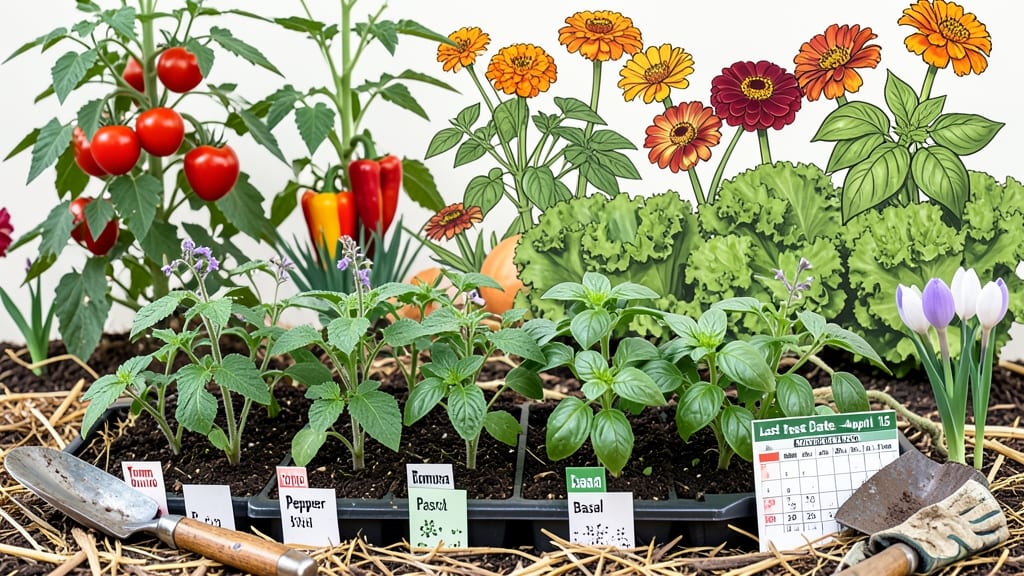
Planting a garden in Indiana at the right time means the difference between a bountiful harvest and wasted effort — and the exact timing depends on whether you’re growing cool-season greens or heat-loving tomatoes.
Indiana’s frost dates can shift from year to year, leaving gardeners guessing whether to rush seeds into the soil or wait just a little longer. One week too early, and your tender seedlings could turn to mush overnight.
One week too late, and your tomatoes never set fruit. The key is knowing when to plant based on your zone (5b-6b) and crop type.
Most Indiana gardeners start cool-season crops like peas or spinach 4-6 weeks before the last frost (typically mid-April), while warm-season plants like peppers and cucumbers need to wait until 2-3 weeks after that date.
But here’s the game-changer: late summer plantings can still yield a fall harvest if you pick the right varieties.
In this guide, I’ll break down the optimal planting windows for every major crop, share foolproof tips for adjusting to Indiana’s unpredictable weather, and help you avoid the most common mistakes that derail even the best-laid plans.
Indiana’s frost dates & planting zones: the ultimate timeline guide
Indiana’s USDA Plant Hardiness Zones 5b-6b give us a moderate climate, but those unpredictable frost dates can throw off even the most experienced gardeners. Knowing your last spring frost (typically mid-April) and first fall frost (usually mid-October) is the key to avoiding frozen seedlings or bolting greens.
These dates create your planting windows—4-6 weeks before last frost for cool-season crops and 2-3 weeks after for warm-season varieties.
But here’s the catch: Indiana’s microclimates vary wildly. Urban areas like Indianapolis may warm up faster than rural northern Indiana, while south-facing slopes get sun hours earlier. Always check your local frost date averages—they’re your gardening GPS.
For example, cool-season crops like spinach thrive when planted 4 weeks before last frost, while tomatoes need warm soil, so wait until 2 weeks after that final frost date.
To simplify, I’ve created a planting zone timeline that covers Indiana’s average frost dates, USDA zones, and microclimate adjustments. This isn’t just theory—it’s battle-tested advice from Indiana gardeners who’ve lost (and saved) harvests by following these rules.
Whether you’re growing peppers in Zone 6b or kale in Zone 5b, timing is everything.
| Planting Window | Crop Type | USDA Zone 5b | USDA Zone 6b | Microclimate Tip |
|---|---|---|---|---|
| 4-6 weeks before last frost | Cool-season crops | Late March - early April | Early April | Start seeds indoors for head start |
| 2-3 weeks after last frost | Warm-season crops | Mid-May | Early May | Use row covers for early planting |
| Late July - August | Fall crops | Early August | Mid-August | Choose fast-maturing varieties |
| September - October | Hardy perennials | Early September | Mid-September | Mulch to protect roots |
| Year-round (indoors) | Herbs & microgreens | Anytime | Anytime | Use grow lights for winter |
Let’s break down Indiana’s planting zones by region. Northern Indiana (Zone 5b) has shorter growing seasons, so gardeners there focus on fast-maturing varieties like bush beans (50 days) or radishes (25 days).
Meanwhile, southern Indiana (Zone 6b) can squeeze in longer-season crops like tomatoes (70+ days) or squash (60 days). Even within these zones, elevation and wind exposure matter—hilltops freeze faster than valleys.
For cool-season crops, think leafy greens, root vegetables, and brassicas. These thrive in cooler temperatures and can handle light frosts.
Plant spinach and lettuce as soon as soil is workable (around mid-March in Zone 6b or late March in Zone 5b). Broccoli and cabbage can even tolerate light frosts, so don’t rush to harvest them before the first freeze.
For warm-season crops like tomatoes, peppers, and cucumbers, wait until soil temps hit 60°F—usually mid-May—to avoid stunted growth.
Microclimates are your secret weapon. A south-facing wall can warm up 2-3 weeks earlier than open ground, while low-lying areas may stay colder longer. Use frost blankets or row covers to extend your spring planting window by 2-4 weeks.
For example, if your last frost date is April 15, you can plant peas and onions as early as March 20 under protection. Just remember: remove covers during the day to avoid overheating.
Fall planting is just as critical. In Indiana, first frost typically arrives in mid-October, but cool-season crops like kale, carrots, and radishes can still thrive if planted by late July. These frost-resistant varieties often taste sweeter after a light freeze!
For perennials, plant in early fall (September) to give roots time to establish before winter. Mulch heavily to protect them from freeze-thaw cycles, which can heave plants out of the ground.
Pro tip: Bookmark the Indiana State Climate Office’s frost date maps or use apps like Old Farmer’s Almanac for real-time updates. These tools adjust for year-to-year variations—because let’s face it, Indiana’s weather is unpredictable.
If you’re in Zone 5b and see a late-May frost warning, cover your tomato plants immediately. A single 28°F night can kill tender seedlings overnight.
Finally, succession planting is your best friend for maximizing harvests. Instead of planting all your lettuce at once, stagger seeds every 2 weeks from April to July. This ensures a continuous supply and reduces waste.
For warm-season crops, try two plantings: one in mid-May and another in early July for a fall harvest. It’s how Indiana gardeners beat the clock—and the frost!
Best crops to plant by month in Indiana: month-by-month calendar
Indiana gardeners know that timing is everything—especially when the last frost can arrive as early as mid-April or linger into May. The key to a productive garden lies in matching each crop to its ideal planting window.
For example, cool-season crops like peas and spinach thrive when planted 4-6 weeks before the last frost, while tomatoes and peppers demand warm soil and air, waiting until 2-3 weeks after that date.
But here’s the secret: late summer plantings can still yield a harvest before frost. By choosing fast-maturing varieties like bush beans or radishes, you can extend your growing season well into October.
The trick is knowing which crops to prioritize each month and how to protect them from Indiana’s unpredictable weather swings.
📅 Indiana Planting Calendar: Month-by-Month Guide
- March-April: Start cool-season crops indoors—onions, peas, and spinach. Harden off seedlings by late April for outdoor planting.
- Late April-Early May: Plant hardy greens (kale, lettuce) and root vegetables (carrots, beets) as soon as soil is workable.
- May-June: Wait until after last frost (usually mid-May) to plant tomatoes, peppers, and cucumbers. Use row covers for early starts.
- June-July: Sow warm-season crops like beans, corn, and squash. Succession plant bush beans every 2 weeks for continuous harvests.
- July-August: Start fall crops (kale, spinach, radishes) for a late-season harvest. Transplant broccoli and cabbage in early August.
- September-October: Extend the season with cold-hardy greens (arugula, Swiss chard) and garlic planted in fall for spring harvest.
For cool-season crops, I always start with onions and peas in early spring because they tolerate light frosts. These hardy plants can even handle a light freeze (down to 25°F), making them ideal for Indiana’s unpredictable early springs.
Just be sure to mulch heavily to protect them from late frosts.
When warm-season crops like tomatoes and peppers are on the agenda, I wait until the soil temperature reaches at least 60°F. A simple soil thermometer saves guesswork—planting too early leads to poor root development and stunted growth.
For extra insurance, I use black plastic mulch to warm the soil faster.
Don’t overlook fall planting—it’s a gardener’s secret weapon. By sowing kale, spinach, and radishes in late July or August, you can harvest well into October or November. These frost-tolerant crops actually sweeten up after a light frost, making them perfect for Indiana’s shorter days.
Pro tip: Use succession planting for crops like lettuce and beans. Instead of planting all at once, sow small batches every 2-3 weeks to ensure a continuous harvest all season long. It’s the easiest way to maximize your garden’s productivity without expanding your space.