
Planting
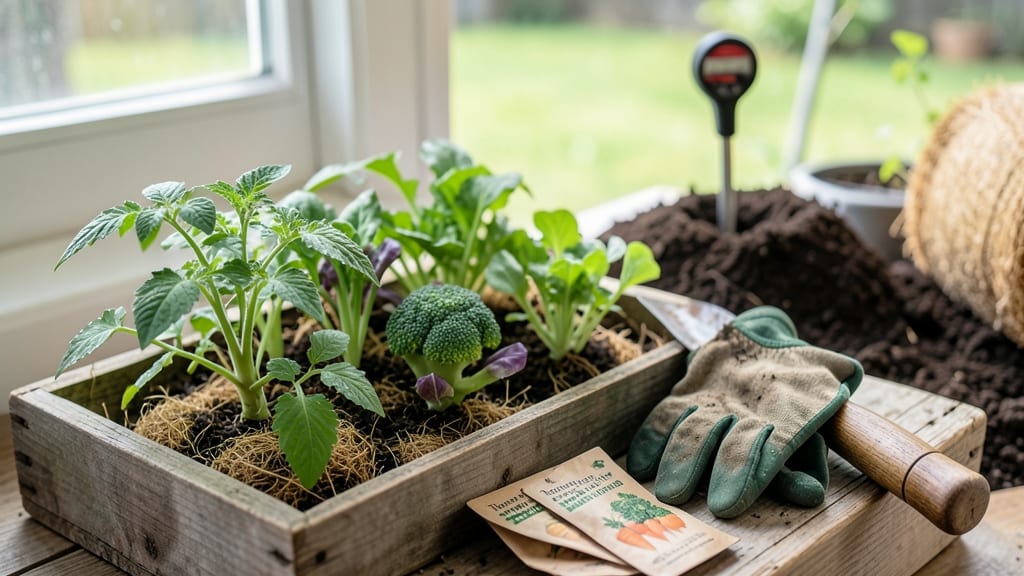
Planting a vegetable garden in Virginia at the right time means the difference between a thriving harvest and a sad, wilted mess—especially when heat and humidity can turn your plot into a sauna by mid-June.
If you’ve ever watched your seedlings bolt in the heat or your tomatoes turn to mush before ripening, you know the stakes. Virginia’s USDA zones 6a–8a throw extra curveballs, with coastal areas baking faster than the Piedmont and mountain valleys playing by their own rules.
This guide cuts through the guesswork with heat-tolerant varieties and their exact planting windows, so you can skip the trial-and-error and get straight to the tomatoes, peppers, and squash you actually want to eat.
From soil prep in March to your last chance for fall crops, here’s how to time it perfectly—no more wasted seeds or wilting disappointments.
Virginia’s planting zones & best months for heat-tolerant vegetables by region
Virginia’s USDA hardiness zones 7a-8a create a unique challenge for gardeners—mild winters and hot summers demand precise timing for heat-tolerant vegetables. Whether you’re in coastal Hampton Roads (7b-8a) or the Piedmont (7a-7b), knowing your frost-free dates and heat-wave risks is critical.
For example, tomatoes planted too early in Zone 7a may bolt in summer heat, while peppers in Zone 8a need early starts to avoid stunted growth.
Most of Virginia’s frost-free dates fall between March 15 (coastal areas) and April 15 (inland mountains), but microclimates can shift this by weeks. Heat-tolerant crops like okra, sweet potatoes, and black-eyed peas thrive in Virginia’s summers, while tomatoes and peppers need careful timing to avoid wilting.
Let’s break down the best month-by-month planting windows for each zone.
⚠️ Key Rule: Plant warm-season crops (tomatoes, peppers, squash) only after soil reaches 60°F (15°C). Use a soil thermometer—cold soil stunts roots, even if air temps are warm. Coastal areas (like Norfolk) can plant 2-3 weeks earlier than inland zones due to milder winters.
| USDA Zone | Last Frost Date | Best Planting Window | Heat-Wave Risk | Top Heat-Tolerant Crops |
|---|---|---|---|---|
| 7a (Mountains) | April 15–May 1 | May 1–June 15 | High (July–August) | Tomatoes, Peppers, Okra, Sweet Potatoes |
| 7b (Piedmont) | March 20–April 5 | April 15–May 30 | Moderate (June–July) | Peppers, Eggplant, Black-Eyed Peas, Malabar Spinach |
| 8a (Coastal) | March 1–March 15 | March 15–April 30 | Low (Humidity > Heat) | Tomatoes, Peppers, Cucumbers, Cowpeas |
🌡️ Pro Tip: Coastal zones (8a) can extend growing seasons with fall plantings until October 15.
For Zone 7a gardeners (like those in Roanoke or Blacksburg), tomatoes and peppers should wait until after May 1 to avoid early-season bolting. Start seeds indoors in late March for a head start, but harden off seedlings before transplanting.
In Zone 8a (coastal areas), you can plant tomatoes as early as March 15, but watch for humidity-related diseases like early blight.
Heat waves hit Virginia hardest in July and August, especially in the Piedmont and Shenandoah Valley.
To protect crops, use shade cloth (30-50%) for young plants and mulch heavily to retain moisture. Okra and sweet potatoes are your best bets for late-summer harvests—they thrive in 90°F+ temps that would fry tomatoes.
If you’re in Zone 7b (Richmond or Charlottesville), aim for a two-phase planting strategy: Start peppers and eggplants indoors in late March, then transplant after April 15.
For beans and squash, direct-sow after May 1 when soil is consistently warm. Succession planting every 2 weeks ensures a steady harvest.
Don’t forget fall plantings! In Zone 8a (coastal), you can sow spinach, kale, and radishes as late as September 15 for winter harvests. Even in Zone 7a, cold-hardy greens like collards can be planted by August 15 for a frost-sweetened harvest in November.
Use Virginia Cooperative Extension’s frost maps (available online) to track localized frost risks. For example, Lynchburg (7b) averages 30°F lows in December, while Norfolk (8a) rarely dips below 35°F.
Adjust your planting timeline based on these microclimates—a few miles can mean weeks of difference in frost dates.
For emergency adjustments, keep row covers handy for late frosts. If a heatwave hits 95°F+, move potted plants to shadier spots and water deeply in the early morning to prevent blossom drop in tomatoes.
With these zone-specific strategies, you’ll maximize yields and minimize losses—no matter where in Virginia you garden.
🌱
Top 10 heat-tolerant vegetables for Virginia gardens & their exact planting timelines
Virginia’s summers can hit 95°F+—a temperature that wilts many vegetables. But these 10 heat-tolerant varieties thrive under the sun, with precise planting windows to maximize your harvest. From ‘Celebrity’ tomatoes to ‘Black Beauty’ eggplants, I’ve ranked them by foolproof performance and exact timing to avoid heat stress.
Each vegetable includes week-specific planting dates, maturity timelines, and heat-stress warning signs so you can act fast. Even better? I’ve included a last-chance planting window for late summers when temperatures start to dip. No more guessing—just guaranteed growth!
- 1. ‘Celebrity’ Tomatoes – Plant April 15–May 15 (60–70 days to harvest). Heat stress sign: Yellowing leaves.
- 2. ‘Jalapeño’ Peppers – Plant May 1–June 15 (80–90 days). Heat stress sign: Blossom drop.
- 3. ‘Butternut’ Squash – Plant May 10–June 10 (90–100 days). Heat stress sign: Wilting vines.
- 4. ‘Black Beauty’ Eggplant – Plant May 15–June 1 (75–85 days). Heat stress sign: Stunted growth.
- 5. ‘Okra’ (‘Clemson Spineless’) – Plant April 30–June 15 (50–60 days). Heat stress sign: Pods turn bitter.
- 6. ‘Southern Peas’ (‘Purple Hull’) – Plant May 10–June 10 (60–70 days). Heat stress sign: Flowers wilt.
- 7. ‘Sweet Potato’ (‘Beauregard’) – Plant May 1–June 15 (90–120 days). Heat stress sign: Yellowing leaves.
- 8. ‘Malabar Spinach – Plant April 15–June 1 (60–70 days). Heat stress sign: Leaf scorching.
- 9. ‘Thai Basil – Plant May 1–June 10 (45–60 days). Heat stress sign: Drooping stems.
- 10. ‘Cowpea’ (‘Purple Hull’) – Plant April 30–June 15 (50–60 days). Heat stress sign: Pods shrivel.
🌱 Last Chance Window: July 1–15 for quick-maturing varieties (e.g., okra, Southern peas).
For ‘Celebrity’ tomatoes, timing is critical—plant too early, and frost can strike. Too late, and the heat will stunt growth. Aim for mid-April to mid-May when soil temps hit 60°F+. If you miss this window, opt for shade cloth to protect seedlings until temperatures stabilize.
Peppers like ‘Jalapeño’ need consistent warmth—they’ll bolt if temperatures dip below 50°F. Start seeds indoors 4–6 weeks before your last frost date, then transplant after May 1. Watch for blossom end rot (a calcium deficiency) when heat spikes suddenly.
Squash and sweet potatoes are heat-lovers, but they need well-draining soil to avoid rot. Plant ‘Butternut’ squash after soil reaches 70°F (usually mid-May). Mulch heavily to retain moisture—these plants wilt fast in dry heat. Harvest before first frost (late October–November in Virginia).
Don’t overlook okra—it’s a Virginia garden staple! Plant ‘Clemson Spineless’ as early as late April in warmer zones (like Zone 7b+), but wait until May 10 in cooler areas.
Okra thrives in 90°F+ heat, so late summer plantings often yield the best pods. Watch for aphids during heatwaves—they love stressed plants.
For a last-chance harvest, try ‘Purple Hull’ cowpeas or Malabar spinach in early July. These heat-tolerant greens grow fast (50–60 days) and handle Virginia’s humid late summers better than lettuce or spinach. Just keep them well-watered—drought stress makes them bitter.