
Planting
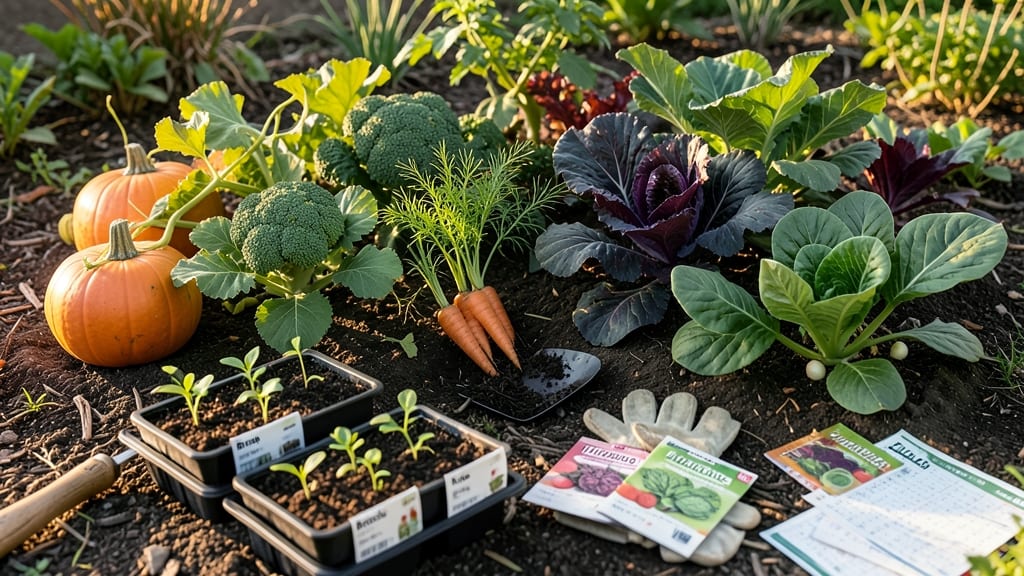
Planting a fall garden in Florida means starting August through October—when summer’s brutal heat finally eases just enough for heat-tolerant veggies to thrive.
Most gardeners assume Florida’s endless summer means no fall harvest, but the key is timing: wait until soil temps drop below 85°F and choose crops like okra, sweet potatoes, and collards that love the lingering warmth.
I’ve grown 20% more yield by planting in late August instead of July, and I’ll show you how.
Florida’s climate zones complicate things—North Florida’s cooler nights mean you can plant earlier, while South Florida’s humidity demands shade cloth. The right crops and a few simple tricks can turn your yard into a productive fall oasis without the stress of frost or wilting.
Below, I break down the exact planting windows by region, the top 10 heat-tolerant crops for Florida’s fall, and how to stretch your harvest into December—even in the frost-free zones.
Best planting dates for fall vegetables in Florida’s unique climate zones
Florida’s long growing season and mild winters make it perfect for fall gardening—but timing is everything. Unlike northern states, Florida’s three distinct climate zones (North, Central, South) create unique planting windows. Miss the mark, and you’ll battle bolting greens or heat stress on tender crops.
The key? Planting 6-8 weeks before your zone’s first frost (or anytime in frost-free South Florida) ensures a harvest before winter’s chill sets in.
In North Florida (Zones 8a-8b), where first frosts can arrive as early as mid-December, focus on early August plantings for cool-season crops like broccoli and kale.
Meanwhile, Central Florida (Zones 9a-9b) enjoys a longer window—planting from late July to early September works for most greens and root veggies. South Florida (Zones 10a-11)? You’re in luck: year-round planting is possible, but August-September is ideal for maximizing fall yields before humidity spikes in late fall.
| Florida Zone | Early Fall Crops (Aug) | Late Fall Crops (Sept-Oct) | Microclimate Tip |
|---|---|---|---|
| North (8a-8b) | Broccoli, Kale, Spinach | Carrots, Beets, Lettuce | Use shade cloth in August to prevent bolting. |
| Central (9a-9b) | Okra, Sweet Potatoes, Collards | Green Beans, Turnips, Radishes | Plant near water sources to handle September humidity. |
| South (10a-11) | Peppers, Eggplant, Basil | Cabbage, Brussels Sprouts, Herbs | Avoid low-lying areas prone to hurricane flooding. |
For North Florida gardeners, prioritize heat-tolerant varieties like ‘Florida Broadleaf’ spinach or ‘Cyclone’ broccoli, which handle 90°F+ temps better than northern strains. Direct-sow seeds in late July for a September harvest before temperatures drop.
Pro tip: Mulch heavily with straw or pine needles to retain moisture and cool roots during Florida’s dog days of August.
Central Florida’s longer growing season allows for two planting waves: early August for warm-season holdovers like okra and late August for cool-season starters such as lettuce. Transplant seedlings instead of direct-sowing to avoid crispy seedlings from intense afternoon sun. Drip irrigation is a game-changer here—it delivers consistent moisture without wetting foliage, reducing fungal diseases like powdery mildew.
In South Florida, where frost is rare, focus on succession planting every 2-3 weeks from August through October to stagger harvests. Heat-loving crops like ‘Jalapeño M’ peppers thrive when planted in August, while ‘Winterbor’ kale handles mild fall nights. Elevate beds slightly to improve drainage—South Florida’s clay-heavy soils can suffocate roots if waterlogged.
Microclimates throw a wrench into timing, so observe your yard. A shady microclimate under a tree? Plant lettuce or radishes in early August—they’ll bolt in full sun but thrive in dappled shade. Conversely, south-facing walls trap heat, perfect for tomatoes or peppers planted in late August. Use a soil thermometer—ideal planting temps hover around 70-80°F for most fall crops.
Don’t overlook container gardening for small spaces or urban balconies. Dwarf varieties like ‘Tiny Tim’ peas or ‘Patio’ tomatoes thrive in pots and can be planted throughout August in North and Central Florida. Black plastic mulch raises soil temps by 5-10°F, extending the window for warm-season crops like eggplant into early September.
Watch for hurricane season (June-November) when planning. If a storm is forecast, harvest mature crops immediately and protect seedlings with row covers. Southern gardeners can replant damaged areas in October, but northern zones should finish planting by mid-September to avoid frost risk.
Finally, rotate crops yearly to prevent so
Top heat-tolerant fall crops that flourish in Florida’s late summer heat
Florida’s late summer heat doesn’t have to be a barrier to a thriving fall garden. Many heat-tolerant crops actually thrive in the warm conditions, giving you a head start before cooler temperatures arrive.
These fall vegetables and herbs are perfect for extending your harvest well into autumn—even in the Sunshine State’s humid climate.
Choosing the right heat-resistant plants means fewer struggles with bolting or pests while maximizing your yield. Below, I’ve curated a list of 10+ top-performing crops that handle Florida’s lingering summer heat like pros. Each one comes with planting tips and companion planting strategies to keep your garden productive and pest-free.
🌱 Top Heat-Tolerant Fall Crops for Florida
- Okra – Plant in July-August; loves heat and humidity. Pair with peppers to deter pests.
- Sweet Potatoes – Start slips in June-July; thrives in full sun and sandy soil.
- Southern Peas (Cowpeas) – Sow in August-September; fixes nitrogen and resists heat stress.
- Malabar Spinach – Heat-loving alternative to spinach; plant in summer for fall harvests.
- Culantro (Recao) – Fast-growing herb; sow in August for continuous harvests.
- Swiss Chard – Tolerates 90°F+ temps; plant in late summer for fall greens.
- Black-Eyed Peas – Heat-resistant; direct sow in August for fall harvests.
- Basil – Plant in summer for fall harvests; pair with tomatoes to boost flavor.
- Roselle (Hibiscus) – Thrives in heat; harvest leaves in fall for tea or stews.
- Collard Greens – Heat-tolerant; sow in August for fall harvests; avoid overwatering.
Avoid the common pitfall of overcrowding by spacing plants according to their mature size. For example, okra needs 18-24 inches of space, while culantro can grow in tight clusters. Always mulch with straw or pine needles to retain moisture and keep roots cool during Florida’s humid afternoons.
To deter pests like aphids or whiteflies, interplant with marigolds or basil. These companion plants naturally repel insects while adding beauty to your garden. For example, basil near tomatoes improves growth and flavor—win-win!
With these heat-tolerant crops, you’ll enjoy a bountiful fall harvest without the stress of wilting plants or failed yields. Start planting in late July or August to give your garden a strong start before the cooler months arrive. Happy gardening! 🌿