
Planting
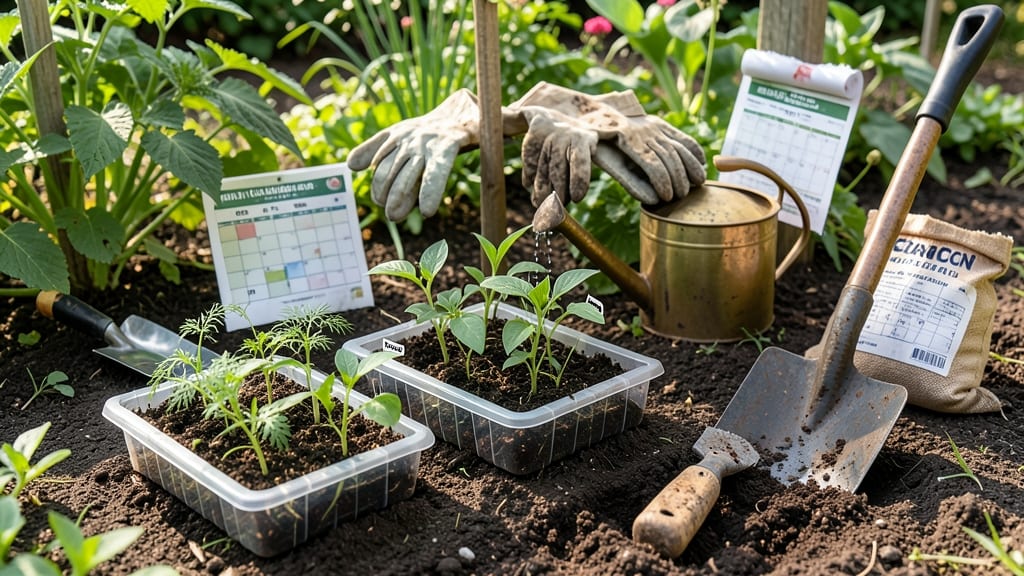
Planting a garden in Oregon at the right time means the difference between thriving 🌱 harvests and wasted effort—timing your crops to avoid frost and maximize growth is everything.
Oregon’s unpredictable weather can make or break your garden, whether you’re in the coastal fog or the high desert. One wrong move, and you’re staring at wilted seedlings or stunted veggies by summer. But get it right, and you’ll enjoy fresh produce from spring to fall.
This guide breaks down the exact planting windows for Oregon’s USDA zones 7b-9a, including when to start seeds indoors versus direct sowing outdoors. We’ll cover everything from frost dates to microclimates, so you can plant with confidence.
Discover the best zero-frost-risk crops for your region, how to adjust for Oregon’s unique weather patterns, and pro tips to extend your growing season—so you can enjoy a bountiful garden year-round.
Oregon’s planting Zones: when to start seeds indoors vs. direct sowing outdoors
Oregon’s diverse climate—from coastal fog to high-desert heat—means last frost dates can vary by hundreds of miles. In USDA Zones 6-9, timing your seed starting and direct sowing correctly ensures healthy plants and maximum harvests.
Let’s break down the key deadlines for each zone so you can plan like a pro.
Western Oregon (Zones 7b-9a) typically sees its last frost between March 15 and April 15, while Eastern Oregon (Zones 6b-8a) can wait until May 1 or later. These dates dictate when to start seeds indoors versus planting directly outdoors.
For example, tomatoes and peppers need 6-8 weeks indoors before the last frost, while cucumbers and beans can handle direct sowing 2-3 weeks after.
| Zone & Region | Last Frost Date | Start Indoors (Warm Crops) | Direct Sow Outdoors |
|---|---|---|---|
| Zone 6b (Eastern OR: Bend, La Grande) | May 1 | March 15 (tomatoes, peppers) | May 15 (beans, cucumbers) |
| Zone 7b (Central OR: Salem, Eugene) | April 15 | February 28 (peppers), March 15 (tomatoes) | April 30 (cucumbers, squash) |
| Zone 8a (Western OR: Portland, Corvallis) | March 31 | February 1 (peppers), February 15 (tomatoes) | April 15 (warm crops) |
| Zone 9a (Coastal OR: Astoria, Newport) | March 15 | January 15 (peppers), February 1 (tomatoes) | March 31 (cucumbers, beans) |
In Zone 6b, where frosts linger into May, I recommend starting tomato seeds indoors by March 15 to ensure they’re transplant-ready by late April. Meanwhile, cold-hardy crops like kale or spinach can go straight into the soil by March 1.
The coastal zones (9a) have a longer growing season, so I begin pepper seeds as early as January 15 to take advantage of the mild winters.
For warm-season crops, like eggplants and okra, I wait until after the last frost to direct sow, even in Zone 9a. These plants are heat-lovers and won’t tolerate chilly soil. A simple trick? Use row covers to extend the season if you’re eager to plant early.
Direct sowing cool-season crops like lettuce or carrots is safe 4-6 weeks before the last frost. In Zone 7b, that means February 28 for early varieties. For slow-growing crops like broccoli, I plant seeds indoors in January to get a head start before transplanting in March.
Pro tip: Use a seedling heat mat if starting peppers or tomatoes early in Zone 6b. These plants need warm soil (70°F+) to germinate properly. Without one, germination can take 2-3 weeks longer, delaying your harvest.
Don’t forget about fall planting! In Zones 8a-9a, you can direct sow cool-season crops like radishes or turnips as late as August 15. These fast growers mature before the first frost, which typically hits October 15-November 1 in Western Oregon.
If you’re in Eastern Oregon (Zone 6b), your fall window is shorter—aim to plant by July 15 for a harvest before frost. Succession planting is key here; I stagger lettuce and spinach every 2 weeks to ensure a continuous supply.
Always check local frost alerts from the Oregon State University Extension or your county’s agricultural office. Microclimates—like urban heat islands or valley floors—can shift frost dates by 1-2 weeks. When in doubt, err on the side of caution and wait for consistent warm temps.
With these zone-specific deadlines, you’ll avoid the heartbreak of frost-nipped seedlings and stunted growth. Happy planting—your homegrown tomatoes will thank you! 🌱
Best zero-frost risk crops for Oregon and their ideal planting windows
Oregon’s unpredictable frost patterns make selecting the right crops critical. The key to a thriving garden? Choosing zero-frost-risk plants that thrive in your zone while aligning with precise planting deadlines.
Whether you're in coastal Zone 8 or high-desert Zone 7, these crops will reward you with minimal risk of frost damage.
From cold-hardy greens to heat-tolerant melons, we’ve curated a list of top performers. Each crop includes exact planting windows tailored to Oregon’s USDA Zones 7b-9a, ensuring you avoid late frosts and maximize harvests. Let’s dive into the best options for your garden.
Planting Window: March 15 - April 30 (all zones)
Why? These cold-tolerant greens thrive in Oregon’s cool springs and survive light frosts. Ideal for early harvests.
Planting Window: April 15 - May 15 (Zone 7b-8a) / May 1 - June 1 (Zone 9a)
Why? Fast-growing warm-season legumes that avoid late frosts while loving Oregon’s mild summers.
Planting Window: May 15 - June 15 (all zones)
Why? Heat-loving vines need warm soil (60°F+) and thrive in Oregon’s summer heat. Start indoors in Zone 7b.
Planting Window: March 1 - April 15 (Zone 7b-8a) / April 1 - May 1 (Zone 9a)
Why? Early-season root crops tolerate cool soils and avoid frost damage when planted before spring warming.
Planting Window: July 1 - August 15 (all zones)
Why? Cool-season brassicas love Oregon’s fall temperatures and mature before first frost (typically October 15 in Zone 8).
For Zone 7b gardeners (e.g., Eastern Oregon), prioritize late-May plantings for heat-lovers like tomatoes and peppers, as frost risk lingers until May 15. In Zone 9a (e.g., Medford), you can extend melon season into early July for a second harvest before summer’s peak.
Pro tip: Use row covers for early plantings of beans or peas in Zone 7b to shield seedlings from unexpected late frosts. Always check your local Oregon State University frost maps for precise deadlines—microclimates can shift planting windows by 2-3 weeks!
By focusing on these zero-frost-risk crops and their ideal windows, you’ll enjoy a garden that thrives from spring’s first harvests to fall’s final bounty—no matter where in Oregon you garden. Happy planting! 🌱