
Plants
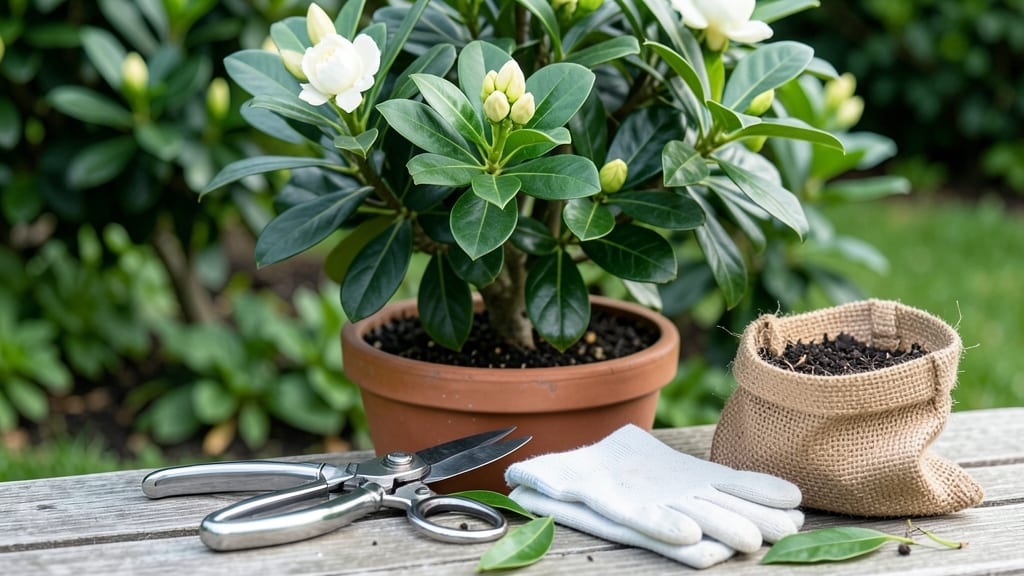
To prune gardenia plants for the best blooms, aim for late winter or early spring—just as new growth begins.
Struggling to keep your gardenia plants blooming beautifully? Pruning at the wrong time can stunt growth or even kill those fragrant flowers—so timing is everything.
In USDA Zone 9b, this means February or March, while cooler zones should wait until after the last frost in April or May.
Why does timing matter so much? Gardenias bloom on new wood, meaning pruning too late can cut off next year’s flowers. But prune too early, and you risk damaging dormant buds. The key is to strike a balance—encouraging growth without sacrificing those iconic white 🌸 blooms.
Below, I’ll walk you through the exact steps to prune your gardenias, how to spot when it’s time, and the common mistakes that leave your plants looking ragged. Let’s get those blooms thriving!
Best seasons to prune gardenia plants for maximum blooms
Pruning your gardenia plants at the right time can transform your shrubs from sparse bloomers to fragrant, flower-covered beauties. But timing isn't just about seasons—it's about understanding your plant's growth cycles and climate zone.
In USDA Zone 9b and warmer, gardenias grow year-round, while cooler zones (like Zone 6-8) need a different approach. Get it wrong, and you might end up with fewer blooms or even stressed plants.
Most gardeners make the mistake of pruning too late in the season, which can delay flowering or leave plants vulnerable to cold damage. The key is to prune when your gardenia is just waking up from dormancy but before new growth gets too aggressive.
This balance ensures you shape the plant without sacrificing its blooming potential. Let’s break down the science-backed windows for pruning gardenias, so you can enjoy those iconic white flowers all season long.
| Pruning Season | Best Time | Climate Zones | Key Benefits | Risks to Avoid |
|---|---|---|---|---|
| Spring Pruning | Late February to early April (after last frost) | Zones 6-11 | Encourages new growth and heavy blooms; removes dead wood | Pruning too early can damage buds; avoid in frost-prone areas |
| Fall Pruning | Late September to early November (before first frost) | Zones 9b-11 (warm climates only) | Light shaping to prevent overgrowth; removes weak branches | Can stimulate late growth that won’t harden off; avoid in cooler zones |
| Summer Pruning | June to early July (after blooming) | All zones (minimal pruning) | Removes spent blooms to encourage new flowers; improves air circulation | Heavy pruning can reduce next year’s blooms; avoid cutting back more than 1/3 of growth |
| Winter Pruning | Not recommended (dormant season) | Zones 6-8 (avoid) | N/A | Can kill buds and weaken plant; wait until spring |
For gardeners in warmer climates (Zones 9b-11), spring pruning is your best bet. Aim for late February to early April, right after the last frost date in your area.
This timing aligns with your gardenia’s natural growth cycle, giving it time to recover and produce abundant blooms by summer. I prune mine in early March, and it’s made a noticeable difference in the number of flowers I get each season.
If you’re in a cooler climate (Zones 6-8), fall pruning is a no-go—it can stimulate new growth that won’t survive the winter. Instead, focus on a light spring pruning after the last frost, typically around mid-April.
This gives your gardenia enough time to harden off before summer heat sets in. I’ve seen gardeners in Zone 7 skip spring pruning entirely, and their plants still bloom, but the flowers are fewer and less vibrant.
One common mistake is pruning too aggressively, which can shock your gardenia and reduce flowering. Stick to removing only dead, diseased, or crossing branches, and avoid cutting back more than 1/3 of the plant’s height.
Over-pruning can leave your gardenia looking leggy and sparse. I once pruned my gardenia too hard in spring, and it took two years to recover its full bloom potential—so patience is key!
Another critical factor is climate-specific adjustments. In humid climates, prune during dry spells to reduce fungal risks. In arid regions, prune in the early morning or late afternoon to avoid stressing the plant with midday heat.
I live in Florida, and I always prune mine on a cool, cloudy morning to keep the plant as comfortable as possible during the process.
Finally, don’t forget to sterilize your pruning tools before and after each cut. Gardenias are prone to bacterial and fungal diseases, and dirty tools can spread pathogens. Use a solution of 1 part bleach to 9 parts water, or rub alcohol on the blades.
I keep a small bottle of rubbing alcohol in my gardening toolkit just for this purpose—it’s a small step that makes a big difference in plant
Step-by-step guide to pruning gardenias without damaging growth
Pruning your gardenia plants correctly is the secret to keeping those creamy white blooms abundant and your shrub looking lush. The key is to time cuts right and use the proper techniques to avoid stressing the plant.
I’ve learned that sharp tools and clean cuts make all the difference—let’s dive into how to do it without harming your gardenia’s growth.
Before you grab your pruners, remember that gardenias are sensitive to over-pruning. You’ll want to focus on removing dead or diseased branches first, then shape the plant to encourage airflow and sunlight penetration.
This not only boosts blooms but also prevents fungal issues. Let’s start with the essential tools and then move to the step-by-step process.
When to Prune Gardenia Plants
- Late Winter/Early Spring: Prune after last frost date (typically March-April in Zone 9b). This is the best time for major pruning to encourage new growth.
- Light Pruning in Summer: Remove spent blooms and overgrown branches to maintain shape and promote continuous flowering. Avoid heavy cuts during peak heat.
- Avoid Fall/Winter: Never prune in fall or winter—this can stimulate new growth that won’t survive cold temperatures. Gardenias need time to harden off before dormancy.
- Cooler Zones (6-8): Wait until after last frost (usually April-May) to prune. These gardenias are hardier but still need warmth to recover from cuts.
Now that you know the best timing for pruning, let’s talk tools. You’ll need clean, sharp pruners (bypass pruners work best) and disinfectant to prevent spreading disease. I always sterilize my tools with rubbing alcohol before and after pruning to keep my gardenias healthy.
For larger branches, loppers or a pruning saw will save your hands from strain.
When you’re ready to prune, start by removing dead or crossing branches first. These are the ones that block sunlight or compete for nutrients. Next, shape the plant by cutting back overgrown stems to maintain a balanced, bushy form.
Always cut just above a leaf node or bud to encourage new growth in the right direction.
After pruning, give your gardenia some extra care to help it recover. Water deeply and apply a balanced fertilizer (like 10-10-10) to support new growth.
Avoid heavy feeding right after pruning, though—wait 2-3 weeks to let the cuts heal. Mulch around the base to retain moisture and keep roots cool.
One common mistake I see is pruning too aggressively in one session. Gardenias are sensitive to stress, so it’s better to space out cuts if your plant needs a lot of shaping.
If you’re unsure, start with 20% of the plant and monitor its response before doing more. Patience pays off with healthier blooms and stronger growth! 🌸