
Tools
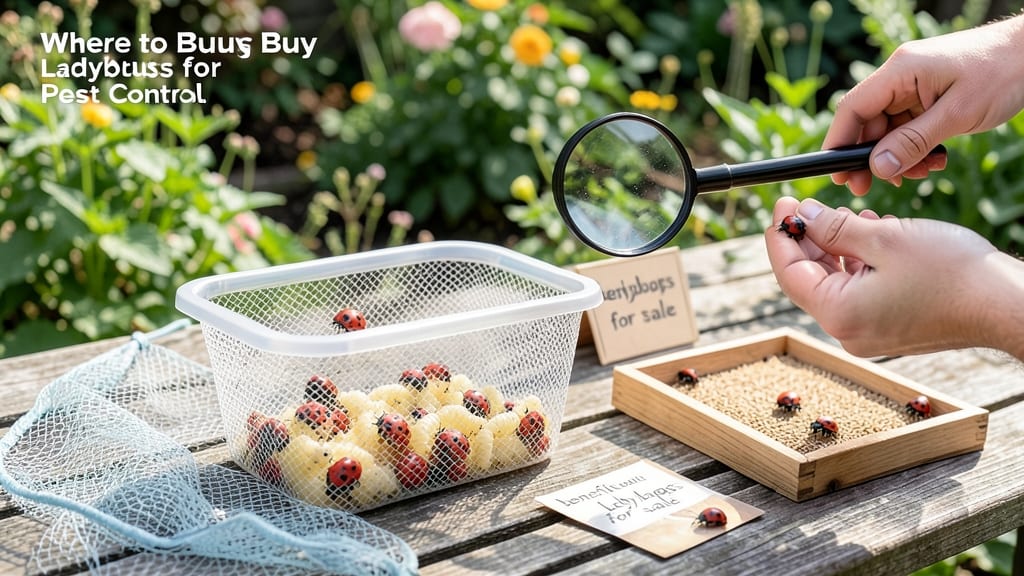
To get ladybugs for your garden, check local garden centers, plant nurseries, or cooperative extension offices, which often sell live beneficial insects. Online suppliers like Garden Safe, Arbico Organics, or specialty biological pest control websites also ship ladybugs nationwide for immediate garden pest control.
Finding ladybugs for your garden is easier than you might think, and the right source makes all the difference. 🌿 Local garden centers and nurseries often carry native species, which are better adapted to your climate and more effective at controlling pests like aphids and mites.
If you're buying online, look for suppliers that guarantee live delivery within 24 hours—temperature-controlled shipping is key to keeping them healthy. I always verify reviews and ask about the ladybug species before ordering, since some imported varieties might not thrive in your region.
What sets reliable suppliers apart is their focus on quality control. Many reputable sellers provide detailed care instructions and even offer guarantees if the ladybugs arrive dead on arrival.
For best results, release them in the early morning or late afternoon when temperatures are mild, and avoid spraying pesticides afterward—these tiny predators need a pesticide-free environment to establish themselves in your garden.
💡 In This Article
- How to Identify Reliable Ladybug Suppliers Near You
- Best Times and Methods to Release Ladybugs in Your Garden
How to identify reliable ladybug suppliers near you
The credibility of a ladybug supplier often hinges on three key factors: species sourcing, shipping conditions, and third-party certifications. Reputable sellers—whether local or online—typically specify whether they provide native ladybug species (like Hippodamia convergens) or imported varieties (such as Asian lady beetles).
Native species are usually hardier and better adapted to your garden's climate, while imported ones may struggle or even become invasive. Always ask for documentation proving their source, as some suppliers mislabel species to cut costs.
Shipping matters just as much as sourcing. Ladybugs are highly sensitive to temperature fluctuations, so suppliers should use insulated packaging with gel packs to maintain 50-70°F during transit. 🔥 Look for reviews mentioning "live arrival guarantees" or "temperature-controlled shipping"—these are red flags if missing.
Online suppliers like Arbico Organics often include arrival monitoring services, where they notify you if the package exceeds safe temperature thresholds. Local garden centers, on the other hand, can offer immediate releases, but verify their storage conditions (they should keep ladybugs in breathable mesh bags, not plastic).
Certifications and transparency build trust. The Organic Materials Review Institute (OMRI) lists approved suppliers of beneficial insects, which is a good starting point. Some suppliers also provide USDA-approved labels or partnerships with agricultural extension programs, signaling their commitment to quality.
For example, Garden Safe’s ladybug products come with a 30-day viability guarantee—if they arrive dead, they’ll replace them or refund your money. This level of accountability separates hobby sellers from professionals.
One nuance to watch for is the distinction between adult ladybugs and larvae. Adults are easier to handle and release, but larvae are more effective at devouring aphids in their early stages. However, larvae require specialized care (higher humidity, specific food sources), so they’re rarely sold to home gardeners.
If a supplier offers larvae, ask for detailed care instructions—this is often a sign of a specialized, high-quality operation.
Local suppliers have a hidden advantage: they’re more likely to align with your regional ecosystem. Cooperative extension offices, for instance, often partner with local farmers to source ladybugs that naturally thrive in your area. This ecological matchmaking reduces the risk of introducing non-native species that might disrupt your garden’s balance.
For example, in the Pacific Northwest, suppliers frequently stock Coccinella transversoguttata, a native species that excels at controlling woolly aphids on fruit trees.
When comparing options, prioritize suppliers who offer seasonal availability guides. Ladybugs are most effective when released during their active season—typically spring to early fall—when temperatures stay above 55°F.
A reliable supplier will advise you on the best timing for your climate, often correlating releases with pest outbreaks (like aphid swarms in late spring). This proactive approach ensures your ladybugs have immediate food sources upon arrival, maximizing their survival rate.
Finally, trust your instincts: if a deal seems too good to be true (e.g., ladybugs sold at $0.50 per 1,000 instead of the standard $2-$5 per 1,000), it probably is. 💫 High-quality suppliers invest in ethical sourcing, proper packaging, and customer support—all of which reflect in their pricing.
Don’t hesitate to call or email with questions; a responsive team is a hallmark of a trustworthy supplier.