
Tools
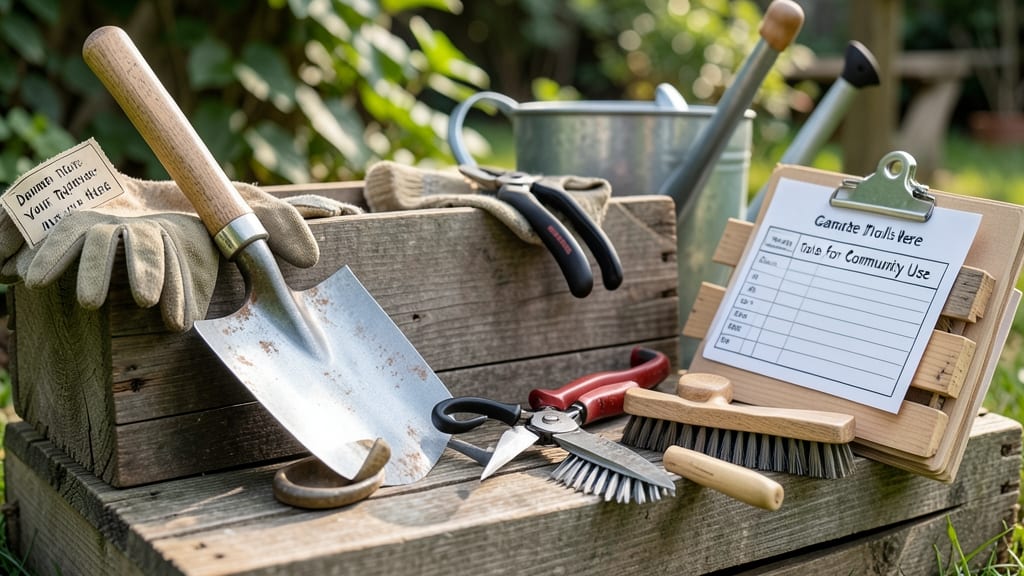
To donate garden tools, try local community gardens, Habitat for Humanity ReStore centers, or nonprofits like Keep America Beautiful and Freecycle for reuse programs. Always confirm their acceptance policies and document donations for tax deductions.
Many organizations actively seek garden tools to support community projects and environmental efforts. 🔥 Local community gardens often need tools to maintain shared plots, while Habitat for Humanity ReStore centers distribute them to low-income families building homes.
Nonprofits like Keep America Beautiful repurpose tools for cleanup projects, and Freecycle connects donors directly with neighbors in need. Before donating, check if items require cleaning or specific conditions—most programs appreciate tools in good working order.
If you're donating for tax purposes, keep receipts and photos as proof of condition. The IRS requires donated items to be in "good used condition or better" to qualify for deductions. Many states also offer additional tax benefits for charitable contributions, so it's worth checking local regulations.
I always recommend calling ahead to confirm drop-off policies, as some locations have specific hours or require appointments.
💡 In This Article
- Top Nonprofits Accepting Garden Tool Donations
- Tax Deduction Rules for Garden Tool Donations
Top nonprofits accepting garden tool donations
Community gardens rely heavily on donated tools to maintain their shared plots, which often serve as educational spaces for urban agriculture. These gardens typically need shovels, rakes, pruners, and wheelbarrows to keep 50-100 plots productive.
For example, a garden like Detroit's D-Town Farm receives hundreds of tools annually to support its 3-acre growing area, where volunteers cultivate produce for local food banks. The tools help manage soil quality, pest control, and harvest efficiency—critical for their mission of reducing food deserts.
Habitat for Humanity ReStore centers distribute garden tools to families building affordable homes, where basic landscaping tools become essential for yard maintenance. A 2022 Habitat report found that 70% of homeowners who received donated tools used them within 3 months of moving in.
These tools often include hand pruners, trowels, and garden forks, which help new homeowners establish sustainable yards without purchasing expensive equipment. The organization typically accepts tools in working condition, though they may clean and refurbish items before distribution.
Environmental nonprofits like Keep America Beautiful focus on repurposing tools for cleanup projects, where gloves, rakes, and shovels are critical for removing litter from parks and waterways. Their Adopt-a-Highway program, for instance, distributes tools to volunteer groups tackling over 1 million miles of roadside cleanup annually.
The tools must be clean, functional, and free of rust or damage—a quick wipe-down with vinegar and steel wool often restores them to acceptable condition. This nonprofit also partners with local governments to redirect tools from landfills into community hands.
Online platforms like Freecycle connect donors directly with neighbors, creating a zero-waste cycle for tools that might otherwise end up in trash.
A 2023 study by the EPA found that 30% of donated tools on Freecycle were claimed within 48 hours, often by individuals repairing community gardens or urban farms.
The platform’s no-cost transfer policy eliminates barriers, making it ideal for tools like old wheelbarrows or broken shears that might otherwise be discarded. Always photograph items before posting to document their condition for tax purposes.
Before donating, verify each organization’s policies—some require appointment-based drop-offs, while others accept tools at scheduled community events. For instance, Habitat ReStore centers often host monthly tool donation days, where volunteers inspect and catalog items on-site.
Keep America Beautiful may have seasonal collection drives, particularly during spring planting seasons. Calling ahead ensures you meet their size, weight, and condition requirements, avoiding unnecessary trips.
Pro tip: Group tools by type (e.g., digging, pruning, carrying) and remove any rust, dirt, or broken parts before donating. A 10-minute cleanup with a wire brush and mild soap can make tools more appealing to recipients.
This small effort increases the likelihood of your donation being used immediately—rather than stored indefinitely—while supporting the organizations’ core missions.