
Tools
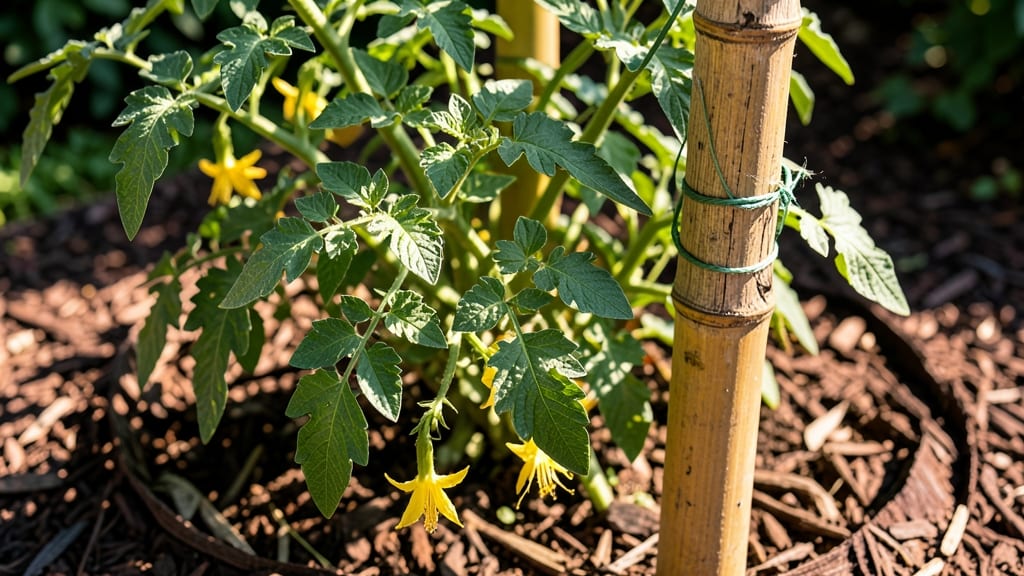
To place tomatoes in your garden, choose a location with full sun exposure (6-8 hours daily), well-draining soil with a pH of 6.0-6.8, and space plants at least 18-24 inches apart to prevent disease and maximize airflow. Avoid low-lying areas prone to frost or water pooling.
Tomatoes thrive where they get plenty of sunlight and good airflow, which is why I always pick the sunniest spot in my yard. 🌞 The right soil mix—rich in organic matter but not waterlogged—helps roots absorb nutrients efficiently, while proper spacing reduces fungal risks.
I've noticed that even a few inches more between plants can make a big difference in how well they grow, especially in humid climates.
For those with limited space, container gardening works well—just ensure the pots are large enough (at least 5 gallons) and have drainage holes. If you're in a cooler region, consider using black plastic mulch to warm the soil faster in spring.
And don't forget: tomatoes love companions! Planting basil nearby can improve flavor, while marigolds naturally repel pests.
💡 In This Article
- Optimal Sunlight, Soil, and Climate Conditions for Tomatoes
- Tomato Plant Spacing and Companion Planting Strategies
Optimal sunlight, soil, and climate conditions for tomatoes
Tomatoes are sun worshippers—literally. They need 6-8 hours of direct sunlight daily to produce the energy required for fruit development. Without enough light, plants become leggy, produce fewer flowers, and yield smaller, less flavorful tomatoes. The ideal sunlight exposure mimics their natural tropical habitat, where they grow under intense sun.
Think of it like giving them a daily vitamin D boost: insufficient light weakens their immune system, making them more susceptible to diseases like early blight. 🌞
The soil's job is to provide both structure and nutrients, but drainage is non-negotiable. Tomatoes hate soggy roots, which can lead to rot and invite pests like nematodes. A well-draining mix should contain 30-40% organic matter (compost or aged manure) to retain moisture while allowing excess water to escape.
The ideal pH range of 6.0-6.8 ensures plants can absorb essential nutrients like phosphorus and potassium—critical for fruit development. For comparison, soil with a pH below 5.5 (too acidic) or above 7.5 (too alkaline) can stunt growth, even if sunlight and water are perfect.
Climate plays a surprising role in tomato placement. While most varieties love warmth, they also need protection from extreme heat—temperatures above 90°F (32°C) can cause blossom drop, where flowers fall off before fruiting.
In hot climates, use shade cloth during peak afternoon sun or plant in partial afternoon shade to prevent stress. Conversely, frost-sensitive tomatoes should never be planted in low-lying areas where cold air settles.
A 3-foot-high mound of soil can raise plant temperature by 5-10°F compared to flat ground, giving you an extra buffer against early-season chills. ✨
Microclimates—small areas with unique conditions—can make or break your tomato harvest. For example, a south-facing wall absorbs heat during the day and radiates it at night, creating a 5-10°F warmer microclimate perfect for tomatoes. Wind exposure also matters: while gentle breezes improve pollination, strong winds can damage delicate vines.
In open areas, consider planting near a fence or using windbreaks like cornstalks to create a sheltered growing zone. Even elevation changes matter—hillsides drain faster but may dry out quicker, while valleys retain moisture but risk waterlogging.
Regional adjustments are key. In cooler climates (USDA Zones 1-4), opt for early-maturing varieties like 'Stupice' or 'Glacier' and use black plastic mulch to warm the soil by 2-4°F. In desert regions (Zones 9-11), focus on heat-tolerant varieties like 'Solar Fire' and mulch with straw to retain moisture.
The right location isn't just about sunlight—it's about creating a balanced environment where temperature, moisture, and airflow work together to maximize yield and flavor. 💫
One common mistake is assuming "full sun" means any sunny spot will do. Shade from trees or buildings can cast long shadows that reduce light intensity by 30-50%, even if the area gets 6+ hours of sun.
Use a light meter or observe your garden: if the ground stays cool to the touch even on sunny days, it's likely not getting enough direct sunlight. For container growers, south-facing balconies or rooftops with unobstructed views are ideal—just ensure pots get moved if shadows shift with the seasons.
Pro tip: Test your soil before planting. A simple $10 home test kit reveals pH and nutrient levels. If your soil is too dense, amend it with 1-2 inches of compost mixed into the top 6 inches of soil.
For heavy clay soils, consider raised beds, which improve drainage and root aeration. The right conditions aren't just about avoiding problems—they're about unlocking your tomatoes' full potential, from juicier flesh to sweeter flavors. 🌱