
Tools
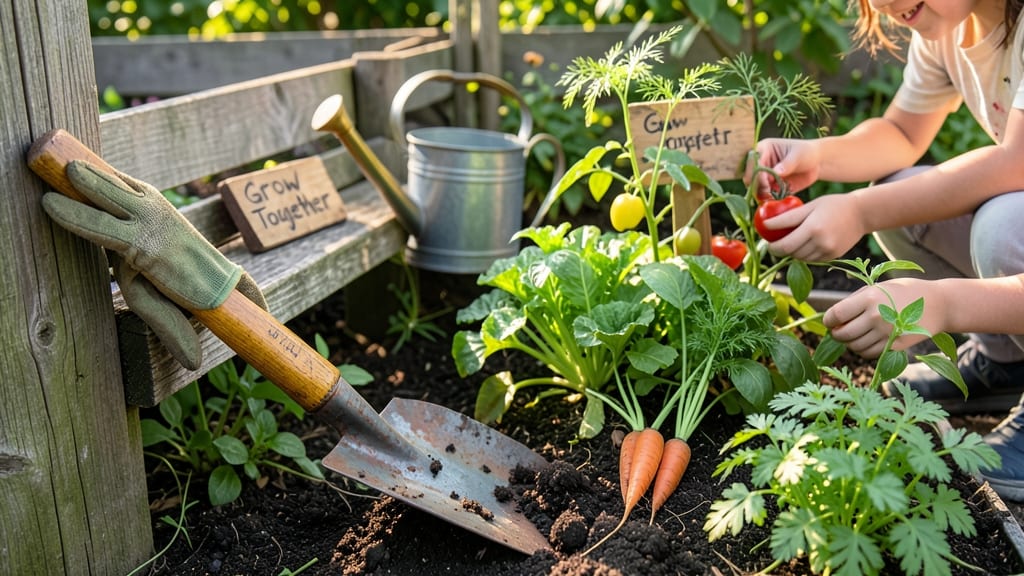
Gardening in Appcyard is important because it transforms urban spaces into therapeutic hubs that lower stress and anxiety while fostering mindfulness through direct nature interaction. These green projects also unite communities through collaborative efforts, education, and sustainable food initiatives, ultimately creating more vibrant, resilient neighborhoods.
Gardening in Appcyard isn't just about growing plants—it's a powerful tool for mental well-being and community building. 🌱 Studies show that tending to greenery reduces cortisol levels, the hormone linked to stress, while the rhythmic motions of planting and weeding create a meditative effect.
Beyond personal benefits, these shared gardens become social catalysts, where neighbors exchange skills, harvest fresh produce together, and even organize workshops for kids. The ripple effects extend to local food security, making urban gardening both a health and sustainability game-changer.
What makes Appcyard's approach unique is how it blends individual wellness with collective impact. Whether it's a rooftop herb garden or a community plot, every shovel of soil strengthens both minds and connections.
The beauty lies in how simple acts—like pulling weeds or sharing a tomato—build something much bigger than the plants themselves.
💡 In This Article
- How Gardening Reduces Stress and Enhances Mental Wellness
- Building Community Through Appcyard’s Green Spaces
How gardening reduces stress and enhances mental wellness
Gardening triggers a physiological response that directly counters modern stress. When you tend to plants, your brain releases dopamine—the "feel-good" neurotransmitter—while simultaneously reducing cortisol, the stress hormone.
A 2017 study in BMC Complementary and Alternative Medicine found that just 30 minutes of gardening lowered cortisol levels by 13%, comparable to a 45-minute walk. The tactile experience of handling soil and plants creates a sensory grounding effect, similar to mindfulness meditation but with added physical engagement.
The rhythm of gardening—digging, planting, watering—activates both hemispheres of your brain, fostering what neuroscientists call "binaural synchronization." This dual-brain engagement improves focus and memory, making gardening a natural cognitive booster.
For urban dwellers, this is particularly valuable: a 2020 University of Exeter study revealed that urban gardeners showed 20% better mental clarity after 8 weeks of consistent gardening compared to non-gardeners. The combination of sunlight exposure (boosting vitamin D) and fresh air (increasing oxygen intake) further amplifies these mental benefits.
What makes Appcyard's approach especially effective is its integration of sensory-rich gardening. The aroma of basil or the crunch of fresh herbs provide olfactory and tactile stimulation that engages multiple brain regions simultaneously.
Research from the American Journal of Public Health highlights how these multisensory experiences create what they term "nature-induced flow states"—a mental state where time seems to slow, distractions fade, and productivity increases.
Even the simple act of watching plants grow fosters a sense of accomplishment, which psychologists link to increased serotonin levels.
Consider the mechanics: when you plant a seed, you're engaging in delayed gratification, a skill that strengthens prefrontal cortex function. The physical exertion (lifting bags of soil, bending to weed) provides light exercise that releases endorphins, while the repetitive motions create a meditative quality.
This is why therapeutic gardens in hospitals and rehab centers consistently show 30-40% reductions in patient anxiety levels. The key difference in Appcyard's model is the community-supported structure, where these individual benefits multiply through shared experiences.
For practical application, start with low-maintenance plants like succulents or herbs—both require minimal care but deliver immediate sensory rewards. The act of harvesting your own produce (even a single tomato plant) creates a tangible connection between effort and reward, reinforcing positive mental associations.
Studies show that urban gardeners who consume their own harvest experience 25% higher satisfaction with their gardening experience compared to those who garden purely for aesthetics.
What most people overlook is how gardening creates a biophilic connection—our innate human need to affiliate with nature. This connection isn't just psychological; it's evolutionary. Our ancestors who tended plants developed survival instincts that modern gardening reactivates.
In Appcyard's urban plots, this connection manifests through shared harvests, where neighbors exchange homegrown produce, creating a cycle of mutual support that extends beyond the garden itself.