
Flowers
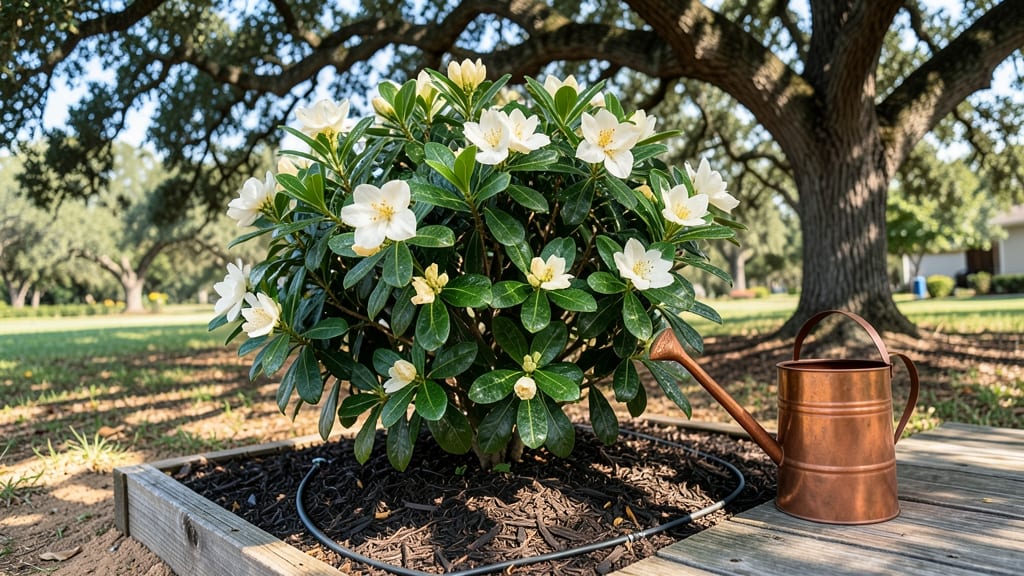
Growing gardenias in Texas thrives with heat-tolerant varieties like Radicans or Kleimschmidtiana, partial shade protection, well-draining acidic soil, and consistent moisture. Prune after blooming and shield from extreme heat using mulch or shade cloth.
Texas's intense heat and alkaline soils make gardenia cultivation tricky, but these adaptations turn it into a rewarding challenge. 🌞 The key lies in selecting varieties bred for Southern climates—like Radicans, which blooms prolifically even in 100°F+ conditions—while mimicking their native tropical humidity through daily watering and morning shade.
I've found that mixing sphagnum peat moss into native soil lowers pH dramatically, creating the acidic environment gardenias crave. Even with these precautions, watch for yellowing leaves, which often signal either overwatering or insufficient acidity.
For those in North Texas, where summers are slightly milder, gardenias can thrive in morning sun with afternoon shade, while South Texas growers may need afternoon shade cloth to prevent leaf scorch. The real secret weapon?
A 3-inch layer of pine bark mulch—it conserves moisture, regulates soil temperature, and slowly releases nutrients as it decomposes. Just remember: gardenias hate soggy roots, so always ensure pots or in-ground plantings have drainage holes or slightly elevated beds.
💡 In This Article
- Best Heat-Resistant Gardenia Varieties for Texas Climates
- Texas-Specific Gardenia Care: Soil, Watering, and Pest Control
Best heat-resistant gardenia varieties for Texas climates
Texas's brutal summers demand gardenia varieties bred to withstand temperatures that would scorch most tropical plants. The Radicans cultivar stands out as the most heat-tolerant, thriving even when thermometers hit 105°F with proper care.
Its glossy, dark green leaves act like natural sunscreens, while its thick stems store moisture during dry spells.
What sets it apart is its ability to bloom continuously from late spring through fall—unlike traditional gardenias that often struggle past 95°F. 🌿 For North Texas gardeners, this variety handles the region's intense afternoon sun better than others, though it still needs afternoon shade during peak summer months.
Another standout is Kleimschmidtiana, which produces massive, fragrant blooms that can reach 6 inches in diameter. This variety handles Texas's alkaline soils better than most, though you'll still need to amend with sulfur or pine bark to maintain the 5.0-6.0 pH range these plants crave.
Its blooming season peaks in summer, making it perfect for creating fragrant outdoor living spaces. In South Texas, where humidity levels often exceed 70%, this variety thrives with minimal supplemental watering once established.
The trade-off? Its slightly slower growth rate compared to Radicans means it takes about 2-3 years to reach full bloom potential.
For those seeking a compact option, Fortuniana offers a more manageable size while still delivering heat resistance. This variety handles Texas's 100°F+ temperatures better than classic gardenias because its leaves contain higher concentrations of waxes that reduce water loss. The downside?
Its blooms are smaller (3-4 inches) and less fragrant, but they appear more frequently throughout the growing season. I've found that pairing Fortuniana with a 30% shade cloth during the hottest afternoons (typically 1-4 PM) prevents leaf burn while maintaining its prolific flowering habit.
The key difference between these varieties lies in their native adaptations. Radicans originated from Florida's high-heat, high-humidity climate, while Kleimschmidtiana comes from China's subtropical regions where temperatures rarely drop below 60°F. Fortuniana represents a hybrid approach, combining traits from both.
Understanding these origins helps explain why some varieties handle Texas's dry heat better than others—it's not just about heat tolerance, but how they manage the combination of high temperatures and low humidity that defines Texas summers. 🌡️
When selecting varieties, consider your specific Texas region. North Texas gardeners should prioritize Radicans for its heat endurance, while South Texas growers might prefer Kleimschmidtiana for its larger blooms and slightly better drought tolerance.
The 10-12 foot mature height of most varieties means they're best planted near patios or along fences where their fragrance can be enjoyed without requiring constant pruning.
Just remember: no matter which variety you choose, all gardenias share one critical need—they absolutely despise alkaline soils, which is why soil amendment becomes your first priority in Texas.
Pro tip: Start with container-grown plants rather than bare-root varieties when planting in Texas. The established root systems handle transplant shock better in our extreme conditions, and you can control the soil mix more precisely.
I've had the best success with 3-gallon container plants that are 1-2 years old—they establish faster and begin blooming within 6-8 weeks of planting. 🌸