
Plants
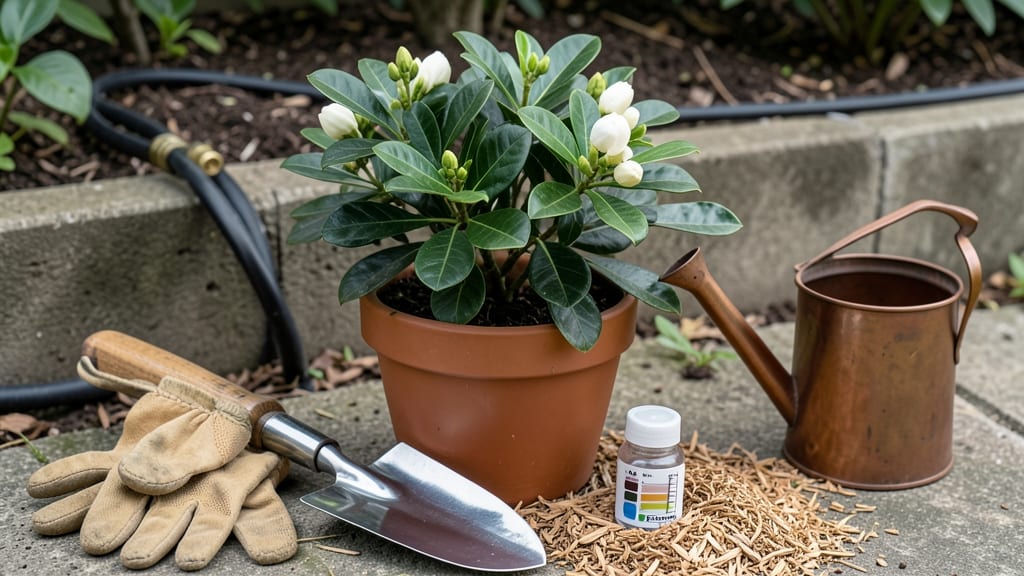
Plant gardenias in Texas after your last frost date — typically between mid-February and March in North Texas or as early as January in South Texas.
You’ve probably seen those glossy, fragrant blooms 🌸 and thought, “Why not grow those in my yard?” But timing is everything: plant too early, and a late frost will kill your tender shrubs; too late, and the summer heat will stress them before they even take root.
Texas gardeners know the stakes — a well-timed planting means months of sweet-scented blooms, while a misstep can leave you with wilting leaves and no flowers. The key lies in understanding your region’s microclimate, soil prep, and how to protect these tropical favorites from Texas extremes.
Here’s exactly when to plant gardenias in Texas, plus the best months for each zone, soil tricks to keep them thriving, and how to avoid the three biggest mistakes that kill gardenias in our heat.
Best months to plant gardenias in Texas by region
Texas gardeners know timing is everything—especially for heat-sensitive plants like gardenias. These fragrant shrubs thrive in USDA zones 8a-10a, but the perfect planting window varies dramatically from North to South Texas.
Plant too early, and frost will damage tender roots. Plant too late, and summer heat will stress young plants. Let’s break down the ideal months for each Texas region.
In North Texas (zones 8a-8b), where last frosts often hit mid-February, gardenias should wait until late February or March for safe planting.
The Central Texas (zones 8b-9a) window opens slightly earlier—February—while South Texas (zones 9b-10a) gardeners can plant as early as January or even late fall for cooler winter starts. Fall planting is also a smart strategy in warmer zones to avoid summer heat stress.
Here’s a quick reference for your region—plus key tips to ensure your gardenias take root successfully:
For North Texas gardeners, the March planting window is critical—it gives roots time to establish before summer’s brutal heat. I’ve found that container-grown gardenias in this region thrive when planted in elevated beds with amended soil to improve drainage.
The key is to acclimate plants gradually to outdoor conditions if starting indoors.
In Central Texas, where USDA zone 9a dominates, the February-March window aligns with the state’s average last frost date. However, I’ve noticed that early March plantings often outperform those in February because the soil is warmer and frost risk is nearly zero.
Always test soil pH (5.0–6.0)—Texas clay can be alkaline, which gardenias despise.
South Texas gardeners have the most flexibility, with two planting windows: January–February (before heat peaks) or September–October (fall). I’ve successfully grown gardenias in Houston and Corpus Christi by planting in September—this avoids the 100°F+ summers and gives plants a head start before winter. For container gardening, use larger pots (15+ gallons) to prevent root stress.
Pro tip: Mulch heavily (3–4 inches of pine bark mulch) to retain moisture and regulate soil temperature. In North Texas, this is especially important to protect roots from winter freezes. I’ve seen gardenias in Dallas-Fort Worth survive winters with extra mulch and winter watering during dry spells.
If you’re in a transition zone (like Austin or San Antonio), err on the side of late February or early March for spring planting. These areas can experience unpredictable frost, and gardenias are extremely frost-sensitive.
For container gardeners, move pots to protected areas (like patios or garages) if frost is forecasted.
Remember: Gardenias hate transplant shock. Always water deeply before planting and keep soil moist for the first 4–6 weeks. In South Texas, I’ve had the best luck with drip irrigation to maintain consistent moisture without overwatering.
Avoid planting during peak summer heat—even in zone 10a, gardenias need time to adjust.
With the right timing and care, your gardenias will reward you with year-round blooms and that signature sweet, intoxicating fragrance. Whether you’re in El Paso or Brownsville, these tips will help you plant for success—no matter where you garden in Texas. 🌸
How to prepare gardenia soil and climate for Texas planting
Texas gardenias thrive when their soil conditions and microclimate mimic their native tropical habitats. The heat and humidity here can be intense, so proper preparation is key to avoiding stress and disease.
Start by testing your soil pH—gardenias demand acidic soil (5.0-6.0)—and amend it with organic matter like peat moss or pine bark fines to improve drainage and acidity.
Gardenias hate soggy roots, so drainage is non-negotiable. If your yard has clay-heavy soil, mix in sand or perlite to create air pockets. For container gardening, use a well-draining potting mix with added vermiculite to prevent root rot.
Remember, Texas summers can bake containers quickly, so plan for shade cloth or elevated pots to keep roots cool.
⚠️ callout warning ⚠️
⚠️ Texas Heat Warning
Gardenias planted in full Texas sun will scorch without afternoon shade. Even partial shade (morning sun + afternoon shade) is ideal. If your yard lacks natural shade, use 30-50% shade cloth during peak summer (June-August) to protect young plants.
Microclimate adjustments are just as critical. Gardenias love humidity, but Texas air can dry them out. Create a moisture-retentive zone by mulching with 3-4 inches of pine bark mulch or cypress mulch.
This mimics their native forest-floor environment while suppressing weeds. For extra humidity, place a shallow water feature or drip irrigation system nearby to keep the air moist around your plants.
If you're planting in North Texas (USDA Zones 7b-8a), choose hardier varieties like 'Radicans' or 'Kleim's Hardy', which tolerate cooler winters better. In South Texas (Zones 9a-10a), focus on heat-tolerant types like 'Veitchii' and provide afternoon shade to prevent leaf burn.
Always plant in early spring (March) or fall (September-October) to avoid summer heat stress.
Before planting, acclimate your gardenias to Texas conditions by hardening them off. Move potted plants outdoors for 2-3 hours daily over 7-10 days, gradually increasing exposure. This helps them adjust to sun intensity and temperature swings.
For container gardeners, ensure pots have drainage holes and use terracotta or fiberglass—these materials breathe better than plastic in high-heat zones.
Finally, fertilize wisely to support your gardenias through Texas summers. Use a slow-release, acid-loving plant fertilizer (like 10-10-10 or 8-3-9) in early spring and late summer, but avoid heavy feeding in peak heat (June-July).
Over-fertilizing can burn roots and attract pests. Pair feeding with evening watering to help nutrients absorb without evaporation.