
Watering
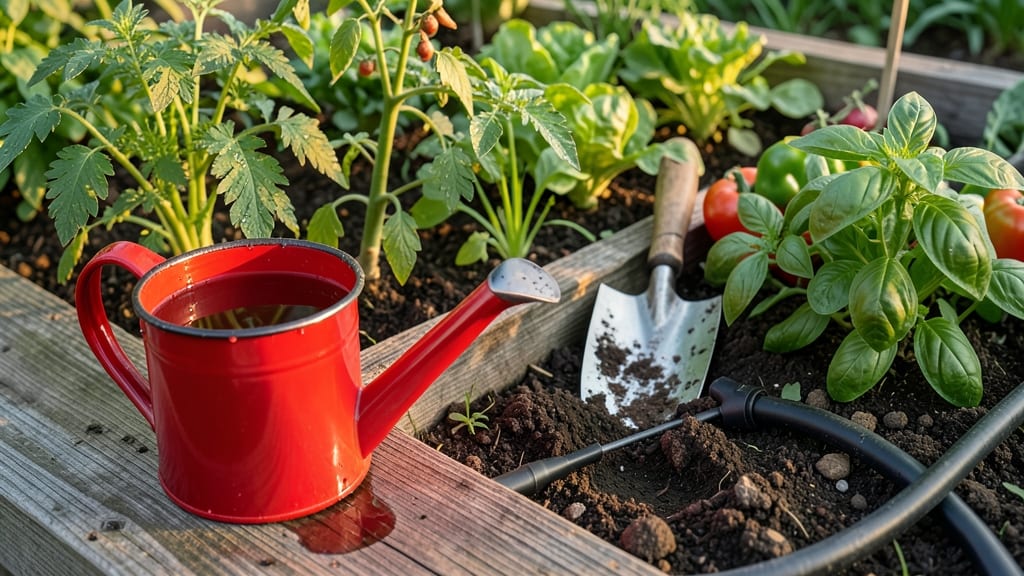
You should water your veggie garden 🥕 how often should you water a veggie garden based on soil moisture, plant type, and weather—not just on a fixed schedule.
Overwatering or underwatering your veggie garden can mean the difference between a thriving harvest and wilting disappointment—yet most gardeners guess rather than measure. The secret to perfect growth lies in understanding your soil’s thirst signals and adjusting your watering schedule like a pro.
Climate, soil type, and even the time of day play a role in how often your garden needs water. In Zone 6a, spring starts with lighter watering needs, but summer demands deep, frequent hydration to keep roots happy and crops producing.
Below, I’ll break down the science-backed watering rules for your favorite veggies, how to check soil moisture like an expert, and smart hacks to save time while keeping your garden perfectly moist.
The perfect watering schedule by plant type and season
Watering your vegetable garden isn’t a one-size-fits-all task—it’s a science of balance. Tomatoes and peppers demand deep, frequent hydration, while leafy greens like lettuce prefer consistent moisture without soggy roots.
The key lies in matching your watering routine to plant needs, seasonal shifts, and even your soil type. For example, sandy soil drains quickly, requiring daily checks, while clay holds moisture longer, needing less frequent watering.
Let’s break it down by plant type and season so you can water like a pro.
Start by grouping your veggies into three watering categories: high-need (like tomatoes and cucumbers), medium-need (peppers and beans), and low-need (herbs and root veggies). Climate zones play a huge role too—Zone 9’s heat demands daily watering in summer, while Zone 5 might only need weekly watering in spring.
Pro tip: Always water early in the morning to reduce evaporation and fungal risks. This simple habit can double your harvest success.
Soil type is your secret weapon. Sandy soil acts like a sieve, requiring shallow but frequent watering, while loamy soil retains moisture better, allowing for deep, less frequent sessions. Test your soil’s moisture by sticking your finger 1-2 inches deep—if it’s dry, it’s time to water. Overwatering is just as harmful as underwatering; it leads to root rot and blossom-end rot in tomatoes. Let’s dive into the specifics with this quick comparison.
Now that you’ve got the basics, let’s talk seasonal shifts. In spring, focus on establishing roots—water lightly but frequently to encourage growth.
By summer, increase frequency to daily or every other day, especially in full sun areas. Fall is all about tapering off; reduce watering as temps drop to prevent rot. Winter? Almost no watering unless you’re growing hardy greens like kale.
Don’t forget about mulching—it’s a game-changer. A 2-3 inch layer of mulch (straw or wood chips) locks in moisture, reducing your watering needs by 30-50%. It also keeps soil temps stable, protecting roots from heat stress or cold snaps.
For container gardens, check soil moisture daily—pots dry out 3x faster than in-ground soil. Use a moisture meter or your finger to gauge when it’s time to water.
Watch for visual cues from your plants. Wilting leaves usually mean thirst, but yellowing leaves could signal overwatering
How to check soil moisture like a gardening expert
Mastering the art of checking soil moisture is the first step to avoiding both drought stress and waterlogging in your veggie garden. Instead of guessing, I’ve learned to read my soil like a book—here’s how you can too.
The key is consistency: test moisture at the same time daily (morning works best) and same depth (usually 1-2 inches for most veggies).
Start with the finger test, my go-to method for quick checks. Simply push your index finger 1-2 inches into the soil. If it feels dry, it’s time to water. If it’s cool and damp, hold off.
Pro tip: Sandy soil dries faster than clay, so adjust your frequency accordingly. This simple trick saves me from overwatering my tomatoes during heatwaves.
For a deeper assessment, use the trowel check. Dig a small hole (3-4 inches deep) near your plants and examine the soil. If it crumbles easily, it’s dry. If it sticks together slightly, it’s perfectly moist.
This method helps me spot hidden dry pockets in heavy clay soil where water pools unevenly. Always check multiple spots—soil moisture varies even in small gardens!
For precision, invest in a moisture meter. These digital tools give instant readings and are a game-changer for large gardens or container plants. I use one for my peppers and herbs, which hate soggy roots.
Most meters cost under $20 and save gallons of wasted water. Just insert the probe 1-2 inches deep and read the display—no guesswork!
Watch for plant signals too. Drooping leaves by noon? That’s a thirsty plant. Yellowing lower leaves? Often a sign of overwatering. My lettuce bolts (sends up tall stems) when it’s too dry, while cucumbers develop bitter flavors if stressed.
Pair these visual cues with your soil tests for foolproof results.
Remember: Morning watering is best—it reduces evaporation and fungal risks. Avoid evening watering, which can leave foliage damp overnight. I’ve also found that mulching with straw or wood chips retains moisture, cutting my watering needs by 30%. Combine these methods, and you’ll water like a pro in no time!