
Size
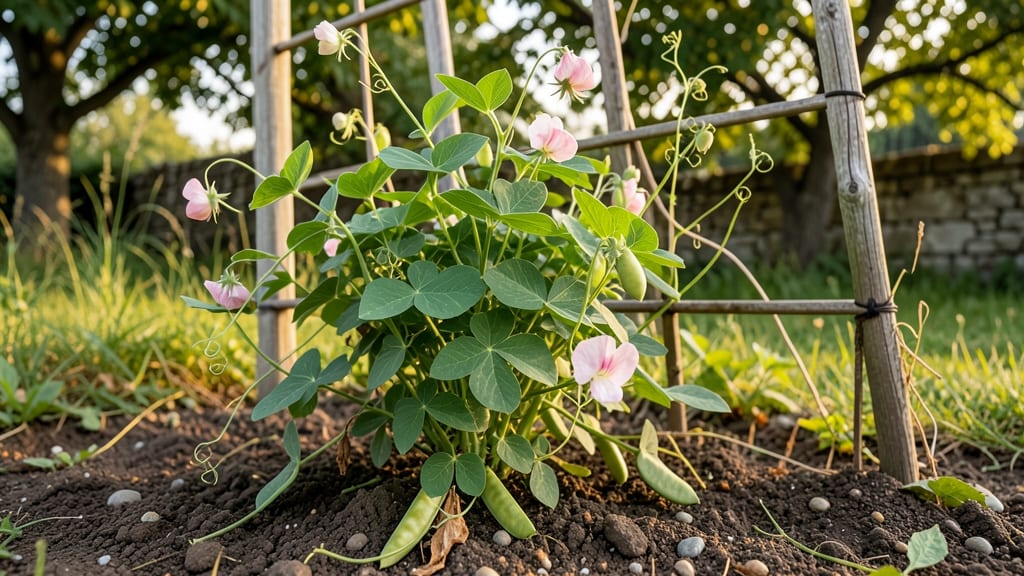
Garden peas grow between 1 and 6 feet tall, depending on whether you choose dwarf or climbing varieties 🌱 — a range that completely changes how you plan your garden layout.
If you're planning a garden but unsure whether to dedicate space to peas—or how much—knowing their growth habits is key. Some varieties climb like vines, reaching heights of 6 feet or more, while others stay compact at just 12 inches, making them perfect for small spaces or containers.
For climbing types, a sturdy trellis isn’t just helpful—it’s essential. Without support, those heavy vines can sprawl across your garden, crowding other plants. Meanwhile, bush varieties thrive without extra support, saving you both space and effort.
Below, I’ll break down the exact height ranges for popular varieties, how to choose the right type for your space, and simple tips to maximize your harvest—whether you’re working with a towering trellis or a tiny balcony pot.

Trellis pea varieties: height ranges and climbing habits explained
If you're growing trellis peas, you're in for a treat—some varieties can reach 6 to 10 feet tall, turning your garden into a lush vertical display. These towering climbers aren’t just impressive; they maximize space and often produce heavier yields compared to bush types.
But not all trellis peas are created equal—some need sturdy support, while others thrive with lighter frameworks. Let’s break down the tallest varieties and how to support them like a pro.
Choosing the right pea variety depends on your garden layout and goals. Tall varieties like 'Telephone' or 'Sugar Snap' can dominate a trellis, while semi-dwarf types (like 'Oregon Sugar Pod') offer a middle ground.
The key is matching the vine strength to your trellis type—whether it’s a heavy-duty cage, a wooden lattice, or a simple string trellis. Heavy vines can snap weak supports, so let’s dive into the specifics to avoid common pitfalls.
| Variety | Max Height | Climbing Habit | Trellis Needs | Best For |
|---|---|---|---|---|
| 'Telephone' | 8–10 ft | Aggressive climber | Heavy-duty trellis (6"+ diameter) | Large gardens, fences |
| 'Sugar Snap' | 6–8 ft | Strong vine | Wooden lattice or metal cage | Vertical gardens, small spaces |
| 'Oregon Sugar Pod' | 4–6 ft | Moderate climber | String trellis or stakes | Containers, small trellises |
| 'Mammoth Melting Sugar' | 7–9 ft | Heavy vine | Tall fence or sturdy frame | Traditional gardens, large trellises |
| 'Alderman' | 6–8 ft | Strong, twining | Metal or wooden trellis | Heirloom gardens, trellis systems |
For tallest varieties like 'Telephone', invest in a 6-inch diameter trellis or a wooden lattice to handle the weight. These vines can reach 10 feet and produce heavy pods, so flimsy supports will bend or break.
I’ve seen 'Mammoth Melting Sugar' vines snap bamboo stakes when overloaded—always err on the side of sturdiness.
If you’re working with limited space, semi-dwarf varieties like 'Oregon Sugar Pod' (4–6 ft) are perfect for string trellises or even small cages. These still climb vigorously but won’t overwhelm a patio setup.
I’ve grown them in 5-gallon containers with a simple wire trellis, and they thrive—just prune regularly to encourage upward growth.
Pro tip: Train vines early by gently weaving them through the trellis as they emerge. This prevents tangled messes later and ensures even distribution. I start guiding 3-inch tall shoots to avoid struggling with 6-foot vines later.
Also, water consistently—drought stress weakens vines, making them more prone to snapping under their own weight.
For urban gardens or balconies, consider freestanding trellis towers (like the Gardeners.com Pea Trellis). These are self-supporting and designed for heavy climbers. I’ve used one for 'Sugar Snap' peas, and it held up beautifully even after heavy rain.
Just avoid placing it in high-wind areas, as the vines can become top-heavy.
One common mistake? Underestimating wind exposure. If your trellis is in an open area, secure it with stakes or guy wires to prevent toppling. I learned this the hard way when a 6-foot 'Alderman' vine snapped my plastic trellis during a storm.
Now, I always anchor tall trellises to the ground or a stable structure.
Finally, harvest regularly to encourage more growth. Peas are continuous producers, but overloaded vines slow down. I pick every 2–3 days during peak season, which keeps my 'Telephone' peas climbing steadily. Plus, fresh peas taste sweeter when harvested young!
Ready to transform your garden vertically? Start with a sturdy trellis, choose your favorite tall variety, and watch those sugar snap pods climb to new heights. Happy gardening! 🌱🪴
Bush pea varieties: compact heights and space-saving benefits
If you love peas but lack space for tall trellises, bush pea varieties are your perfect solution. These compact plants grow 12–36 inches tall and thrive without support, making them ideal for containers, small gardens, or urban balconies.
Their self-supporting stems eliminate the need for staking, saving you time and space.
Unlike their climbing cousins, bush peas produce abundant pods along their sturdy stems, often yielding just as well—or even better—when grown in tight spaces.
Varieties like 'Dwarf Grey Sugar' or 'Little Marvel' stay under 2 feet tall, while others like 'Tom Thumb' reach 24–36 inches—perfect for window boxes or raised beds.
Here’s how their growth compares to traditional trellis peas:
| Variety | Height Range | Yield per Plant | Best For |
|---|---|---|---|
| Dwarf Grey Sugar | 12–18 inches | 10–15 pods | Containers, small gardens |
| Little Marvel | 18–24 inches | 12–18 pods | Raised beds, urban gardens |
| Tom Thumb | 24–36 inches | 15–20 pods | Balconies, in-ground plots |
| Green Arrow | 18–24 inches | 10–14 pods | Succession planting |
Their compact stature means you can plant them closer together—typically 3–4 inches apart—compared to 6–12 inches for climbing types. This translates to more plants per square foot and higher yields in limited spaces.
Plus, their self-supporting stems reduce the risk of wind damage or lodging, common issues with trellis peas.
For container gardening, choose 5-gallon pots or larger to accommodate their root systems. Fill with well-draining soil and mix in compost for nutrient-rich growth. In small gardens, interplant bush peas with lettuce or radishes to maximize space efficiency.
While bush peas may produce slightly fewer pods per vine than trellis varieties, their space-saving benefits and low-maintenance care make them a top choice for small-scale growers. With proper sunlight (6+ hours daily) and consistent moisture, you’ll enjoy a steady harvest without the hassle of trellis setups.
Try succession planting every 2 weeks for continuous harvests, or pair bush peas with carrots or onions to deter pests naturally. Their early maturity (50–60 days) ensures you’ll reap rewards before summer heat sets in.