
Diseases
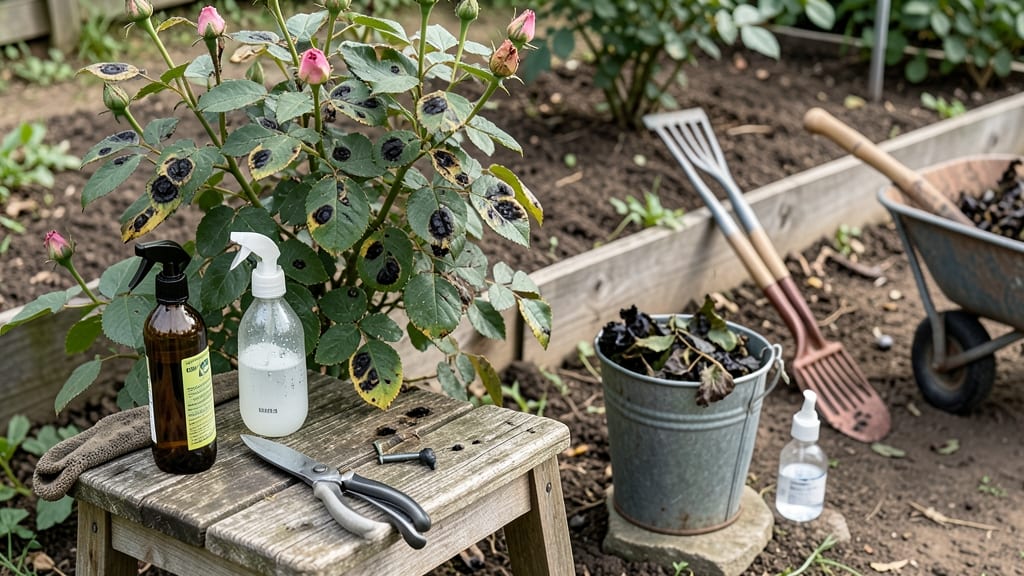
Removing fungus from your garden starts with the right approach—whether you're dealing with powdery mildew, rust, or blight, fast action prevents permanent damage to your 🌱 General Garden Plants.
Picture this: You step into your garden and spot unsightly black spots or fuzzy white patches creeping across your leaves. What seems like a small problem can quickly spiral into a full-blown fungal crisis if left unchecked.
The key is acting fast with solutions that work without harming your plants, pets, or your health.
Natural remedies like vinegar spray and copper fungicide are game-changers for gardeners in USDA Zone 6a. These methods are not only effective but also safer than harsh chemicals, making them perfect for spring planting season when your garden is at its most vulnerable.
In this guide, you'll learn how to mix and apply these treatments safely, identify common fungal diseases early, and keep your garden thriving all season long. Let’s get your plants back to their healthy best!
5 Fast-acting natural fungicides to remove garden fungus immediately
When powdery mildew coats your roses or black spot mars your hydrangeas, panic sets in—but you don’t need harsh chemicals to fight back. These 5 natural fungicides tackle fungus fast, using ingredients you likely already have.
Each works best for specific fungal diseases, so let’s break down how to mix, apply, and when to use them for maximum impact.
Before diving in, always test a small area first—some plants, like delicate ferns, may react poorly to strong solutions. And remember: consistency is key. Fungus thrives in damp conditions, so treat affected plants every 7–10 days until symptoms disappear. Now, let’s explore your best organic defenses.
🌱
Let’s start with vinegar spray, my go-to for powdery mildew on cucumbers and squash. The acetic acid disrupts fungal spores, but the baking soda boosts its effectiveness.
Mix 1 gallon of water with 1 tablespoon white vinegar, 1 tablespoon baking soda, and 1 teaspoon dish soap (to help it stick). Spray early in the morning so the leaves dry quickly—fungus thrives in moisture. Repeat every 7 days until the white residue vanishes.
For copper fungicide, think of it as the heavy hitter for rust on roses or black spot on tulips. Copper ions disrupt fungal cell walls, but it’s not plant-safe in high concentrations. Always wear gloves and a mask when applying.
Use 1 tablespoon copper sulfate per gallon of water or opt for a pre-mixed organic copper spray. Apply when leaves are dry and avoid spraying on edible parts like fruits or vegetables.
🪴
If you’re dealing with early blight on your tomatoes or powdery mildew on peppers, a baking soda solution is your secret weapon. It’s gentle yet effective, even for container gardens
Step-by-step guide: how to apply vinegar spray and copper solutions safely
When fungus strikes your garden, vinegar spray and copper fungicide are two of the most effective natural solutions. But applying them incorrectly can harm your plants or leave fungus behind.
I’ve used these methods for years to treat powdery mildew, black spot, and rust—and I’ll share my exact process for safe, effective application. The key? Proper dilution, timing, and protective gear.
Vinegar spray is a budget-friendly option that disrupts fungal spores with its acidity, while copper fungicide creates an unfavorable environment for pathogens to grow. Both work best when applied early in the morning or late afternoon, avoiding the harsh midday sun that can stress plants.
Always test a small leaf first to check for sensitivity, especially with sensitive plants like roses or tomatoes.
⚠️ CRITICAL: Never apply these treatments when rain is forecasted within 24 hours—it’ll wash away your efforts and spread spores. Also, avoid spraying in direct sunlight, as it can cause leaf burn. Now, let’s dive into the step-by-step process for each solution.
🌱 Step-by-Step: Applying Vinegar Spray
- Mix the solution: Combine 1 gallon of water with 2 tablespoons of white vinegar (5% acidity) and 1 teaspoon of dish soap (as a surfactant). Stir well.
- Apply to affected areas: Use a spray bottle or pump sprayer to coat both sides of leaves and stems. Focus on infected foliage and nearby healthy leaves to prevent spread.
- Reapply every 7-10 days: Vinegar’s effects are temporary, so repeat applications are key. Store the solution in a dark, labeled container for up to 1 week.
- Prevent re-infection: After treatment, prune away dead leaves and improve air circulation by spacing plants properly. Mulch around the base to keep soil dry.
🪴 Step-by-Step: Applying Copper Fungicide
- Dilute the solution: Follow label instructions for copper fungicide (typically 1-2 tablespoons per gallon of water). Wear gloves and a mask—copper can irritate skin and lungs.
- Spray thoroughly: Use a hose-end sprayer or pump sprayer to cover all plant surfaces, including the undersides of leaves. Avoid spraying flowers if you want to attract pollinators.
- Apply preventatively: Spray every 7-14 days during humid or rainy seasons to prevent fungal outbreaks. Copper builds up in soil, so don’t overapply.
- Safeguard your plants: After treatment, water plants deeply to rinse off excess copper. Monitor for leaf burn—if it occurs, reduce concentration or spacing between applications.
Both methods require consistency and patience. I’ve seen powdery mildew disappear in 2-3 weeks with regular vinegar sprays, while copper fungicide often prevents re-infection for months. The secret?
Combine these treatments with proper garden hygiene: remove fallen leaves, rotate crops, and avoid overhead watering. Your plants will thank you with vibrant, fungus-free growth!
Pro tip: For severe infections, alternate between vinegar spray and copper fungicide every other week. This confuses fungal spores and reduces their ability to develop resistance. Always store your solutions in a cool, dark place away from children and pets.