
Tools
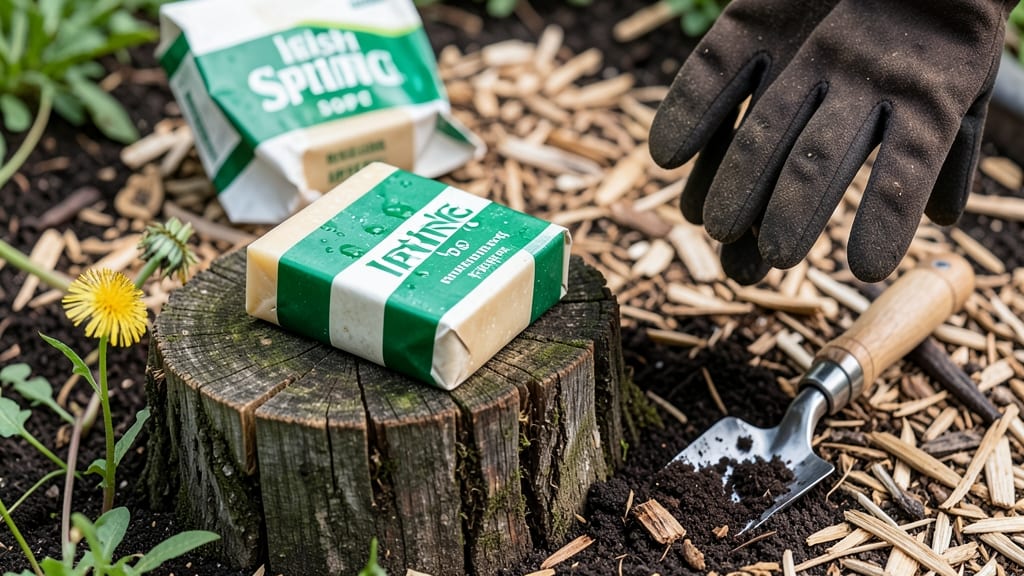
Irish Spring soap in the garden can help deter pests like aphids, mites, and soft-bodied insects when diluted properly—its natural oils disrupt insect exoskeletons without harming plants or beneficial pollinators when applied correctly.
This classic bar soap isn't just for handwashing—its unique blend of oils and fatty acids makes it a surprisingly effective, non-toxic pest control option. 🌿 The key lies in its saponified oils, which break down the waxy protective layers on insects like aphids while being gentle enough for most plants.
I've found it works best when mixed with water and a drop of vegetable oil to help the solution cling to leaves, creating a barrier that pests avoid. Just remember: always test on a small plant area first, as some varieties may react sensitively to the soap's alkaline nature.
For best results, apply the diluted solution in the early morning or late evening when temperatures are cooler, reducing the risk of burning plants. The solution should be reapplied every 7-10 days or after rain, as its effectiveness diminishes with sunlight exposure.
This method is particularly useful for organic gardeners who want to avoid harsh chemical pesticides while still protecting their plants from common garden nuisances.
💡 In This Article
- How Irish Spring Soap Kills Garden Pests
- Safe DIY Irish Spring Soap Spray Recipes for Gardens
How Irish Spring soap kills garden pests
The secret weapon in Irish Spring soap lies in its unique chemical composition, specifically the saponified oils and potassium salts that create its signature lather.
These components contain fatty acid chains that act as natural surfactants, breaking down the waxy cuticle layer that protects soft-bodied insects like aphids and spider mites. When sprayed on pests, the soap molecules penetrate their exoskeletons, causing dehydration and suffocation within 6-12 hours.
This mechanism is similar to how dish soap kills insects, but with a gentler touch on plants.
The effectiveness varies by pest type due to differences in exoskeleton thickness. For example, aphids—with their thin, permeable bodies—are more susceptible than harder-shelled insects like beetles. The soap's alkaline pH (around 9-10) also plays a role, disrupting the insects' cellular membranes.
However, this same alkalinity is why proper dilution is critical: undiluted soap can damage plant leaves by stripping their natural waxes, leading to brown spots or leaf burn. A 1% solution (1 tbsp per gallon of water) strikes the right balance for most garden pests.
What makes Irish Spring particularly effective is its high glycerin content, which helps the solution cling to leaves longer. When combined with a dash of vegetable oil (1 tsp per quart), the spray forms a thin, protective film that repels insects for up to 7 days.
This oil-soap combo works best on pests that feed on plant sap, like whiteflies and mealybugs, because the film creates a physical barrier they can't penetrate. The soap's natural oils also leave a subtle, pleasant scent that masks plant odors—another deterrent for hungry insects.
Temperature and humidity affect how quickly the soap works. In humid conditions (above 70% RH), the solution dries slower on leaves, extending its contact time with pests. Conversely, in dry heat, you may need to reapply every 5-7 days instead of 10.
The soap's performance also depends on the pest's life stage: nymphs (young insects) are more vulnerable than adults because their exoskeletons are still developing.
For example, spider mite eggs are nearly impervious to soap sprays, so you'll need to treat plants every 4-5 days during outbreaks to catch newly hatched mites.
One often-overlooked factor is the soap's antimicrobial properties, which help prevent fungal infections like powdery mildew that often follow pest infestations. The same fatty acids that target insects also inhibit fungal spores from germinating on leaf surfaces.
However, this dual action means you should avoid using Irish Spring soap on plants already stressed by disease—its alkalinity can exacerbate fungal damage in some cases. Always spot-test on a non-flowering leaf first, as flowering plants may show sensitivity to the soap's residues.
For maximum effectiveness, time your applications to coincide with pest feeding patterns. Most sap-sucking insects are most active during peak sunlight hours (10 AM-4 PM), but spraying at these times can increase plant stress.
Instead, apply the soap solution in the early morning (before 8 AM) or late evening (after 6 PM) when temperatures are cooler and humidity is higher. This timing allows the solution to work overnight, giving pests less time to recover or reproduce before the next treatment.