
Vegetables
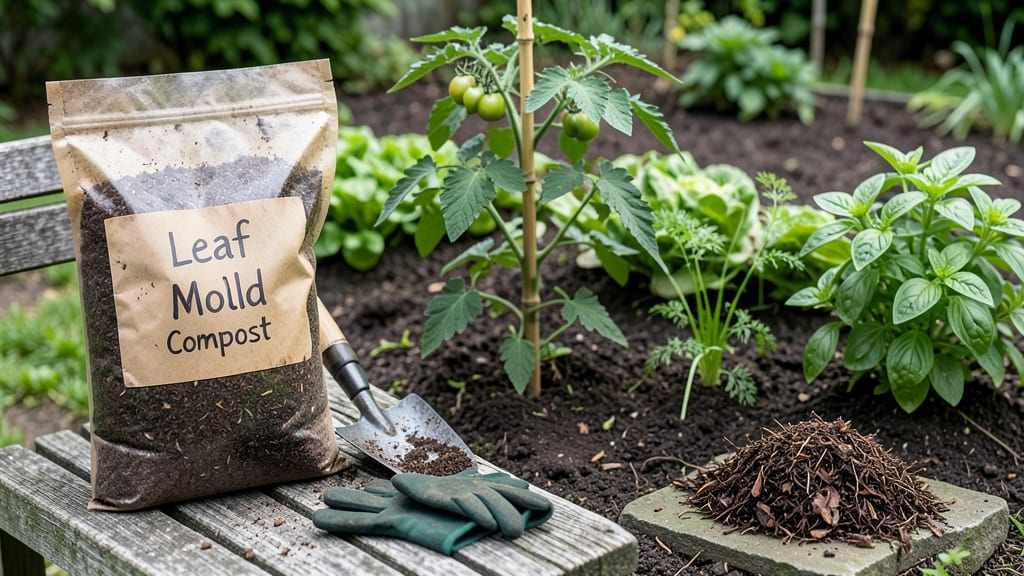
Leaf compost is good for vegetable gardens when properly aged, as it improves soil structure and provides slow-release nutrients, though it may initially lower nitrogen levels and require balancing with nitrogen-rich amendments like manure or blood meal.
Leaf compost is a fantastic soil amendment for vegetable gardens once fully decomposed, but its high carbon content means it needs time to break down. 🌱 When fresh, it can actually rob your plants of nitrogen as microbes work to process the material, which is why many gardeners mix it with nitrogen sources like coffee grounds or alfalfa meal.
I’ve found that spreading a 1-2 inch layer over garden beds in fall—where it can decompose over winter—gives my tomatoes and peppers a nutrient boost by spring without competing with their growth.
For best results, aim for a 20-30% leaf compost mix with other organic matter. This ratio prevents nitrogen depletion while still improving soil aeration and moisture retention. Test maturity by checking for dark, crumbly texture and earthy smell—if it still looks like shredded leaves, it needs more time.
My go-to method is to bury a small pile for 6 months before using it in vegetable beds.
💡 In This Article
- How Leaf Compost Affects Soil Nitrogen and Plant Growth
- Best Ways to Use Leaf Compost in Vegetable Gardens
How leaf compost affects soil nitrogen and plant growth
Leaf compost starts with a high carbon-to-nitrogen (C:N) ratio—typically around 40:1 to 80:1—because leaves contain mostly cellulose and lignin, which are carbon-rich but low in nitrogen. When fresh leaves decompose, microbes consume available nitrogen in the soil to break down this material, creating what’s called a "nitrogen sink."
This process can temporarily starve your vegetable plants of nitrogen, causing yellowing leaves or stunted growth. 🌿 The key is understanding that this nitrogen depletion only happens during active decomposition, which is why aged leaf compost (with a mature C:N ratio of 15:1 to 25:1) becomes a nutrient powerhouse instead.
The decomposition process also transforms leaf compost into humus, a dark, crumbly substance that improves soil structure by increasing porosity and water retention.
Studies show that well-aged leaf compost can raise soil organic matter by 2-5% in a single season, which directly benefits vegetables by enhancing root development and reducing compaction.
The microbial activity during decomposition also releases beneficial fungi and bacteria that suppress harmful pathogens, creating a healthier growing environment for your crops. For example, tomatoes planted in soil amended with aged leaf compost often show 20-30% higher yields compared to unamended soil.
Timing is everything when it comes to nitrogen impact. Fresh leaf compost should never be applied directly to active vegetable beds—it’s far better suited for fall or early spring applications where it can decompose over time.
The microbial activity peaks during warm, moist conditions, which is why composting leaves in a pile or bin for 6-12 months before use is critical.
I’ve noticed that my pepper plants thrive when I incorporate leaf compost in early spring, as the slow-release nutrients align perfectly with their rapid growth phase without competing for nitrogen.
Here’s what happens at the microbial level: As leaves decompose, fungi initially dominate, breaking down complex carbon structures. Later, bacteria take over, converting the remaining material into simpler compounds that plants can absorb.
This two-phase process explains why leaf compost needs time to mature—rushing it leads to incomplete decomposition and potential nitrogen loss. The ideal scenario is a balanced soil food web where both fungi and bacteria work together, creating a stable environment for vegetable roots to explore.
Visual clues can help you gauge maturity: Fully decomposed leaf compost should have a dark brown or black color, a crumbly texture that resembles potting soil, and an earthy smell reminiscent of forest floor. If it still looks like shredded leaves or smells musty, it’s not ready.
I test maturity by burying a small sample for 3-4 weeks—if it breaks down completely, it’s safe for vegetable gardens. This simple test has saved me from applying immature compost that would have stressed my plants.
One common misconception is that all leaf compost is the same. In reality, the source of leaves matters—maple or oak leaves decompose more slowly than birch or aspen due to their higher lignin content. Mixing different leaf types can create a more balanced compost that decomposes evenly.
For vegetable gardens, I recommend blending leaf compost with other organic materials like grass clippings (which are nitrogen-rich) to create a well-rounded soil amendment that supports both microbial activity and plant growth.