
Advice
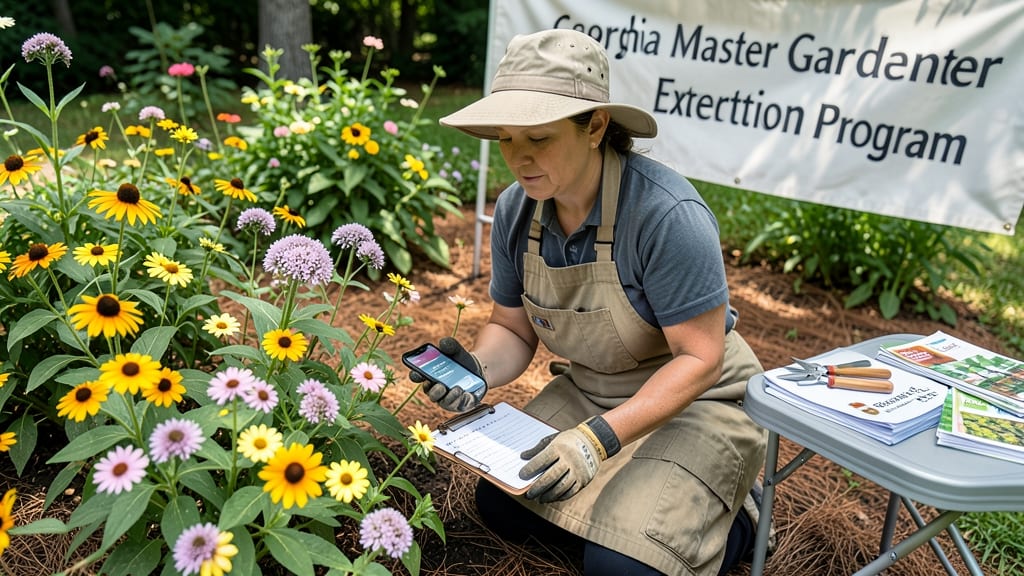
The Georgia Master Gardener Program trains volunteers in sustainable horticulture, pest management, and community gardening through a 60-hour course, with costs typically ranging from $150–$300 per county. Applicants must pass a background check and commit to 40 hours of volunteer service annually.
If you're passionate about gardening and want to give back to your community, this program is your gateway. 🌿 The training covers everything from soil health to integrated pest management, giving you hands-on skills you can immediately apply to your own garden.
What sets Georgia's program apart is how it adapts to local needs—whether you're in Atlanta or Savannah, the curriculum will include regional plant challenges and solutions. Plus, the networking opportunities with fellow gardeners and county extension agents are invaluable for troubleshooting problems and sharing successes.
Once accepted, you'll join a statewide network of over 1,500 Master Gardeners who collectively provide thousands of hours of educational outreach each year. The program isn't just about learning—it's about becoming part of a movement that strengthens local food systems and green spaces.
Whether you're a seasoned gardener or just starting out, this is your chance to deepen your knowledge while making a real difference in your community.
💡 In This Article
- Georgia Master Gardener Training Curriculum and Requirements
- How to Apply for Georgia’s Master Gardener Program by County
Georgia Master Gardener training curriculum and requirements
The 60-hour curriculum in Georgia’s Master Gardener Program is designed to transform passionate gardeners into knowledgeable educators. You’ll dive deep into soil science, learning how pH levels (ideal range: 6.0–7.0 for most plants) and organic matter content directly impact plant health.
Labs often include hands-on tests like the soil texture-by-feel method, where you’ll analyze sand, silt, and clay ratios by rubbing moist soil between your fingers—a tactile way to understand drainage and aeration needs.
Plant pathology takes center stage with 20+ hours dedicated to identifying pests and diseases. You’ll study fungal infections like powdery mildew (visible as white, powdery patches on leaves) and bacterial wilt (causing sudden wilting and vascular discoloration).
The program emphasizes integrated pest management (IPM), teaching you to use cultural controls (like crop rotation) before reaching for chemicals. 🌱 County-specific modules adjust this focus—for example, Chatham County emphasizes coastal plant diseases, while Fulton County covers urban gardening challenges like compacted soil and limited space.
Volunteer service expectations begin during training. The 40-hour annual commitment can be fulfilled through county extension offices, community gardens, or school programs. Many graduates volunteer 60–100 hours/year once they see the impact—like teaching youth gardening workshops or staffing plant clinics.
The background check (typically $25–$50) ensures safety, especially when working with children or vulnerable populations in community gardens.
What surprises many applicants is how the program balances science with practicality. You’ll learn to diagnose nutrient deficiencies (yellowing leaves often signal nitrogen lack, while purple stems indicate phosphorus deficiency) and design low-maintenance landscapes using native plants.
Field trips to local farms or botanical gardens reinforce classroom lessons, making theory immediately applicable. For instance, in Hall County, trainees visit the Joe Reed Smith Botanical Garden to study drought-resistant species firsthand.
The program also covers sustainable gardening techniques, like composting (aim for a 30:1 carbon-to-nitrogen ratio for efficient decomposition) and water conservation. You’ll calculate irrigation needs using the 10-inch rule (most plants need 1 inch of water per week, delivered in 10-minute sessions to prevent runoff).
These skills directly translate to reducing your garden’s environmental footprint while improving yields.
One standout feature is the mentorship component. Each trainee is paired with an experienced Master Gardener who provides guidance during the 6-month training period.
This one-on-one support helps you navigate county-specific resources, like free plant clinics or discounted soil tests. 💫 The program’s flexibility also means you can specialize—some graduates focus on vegetable production, while others concentrate on ornamental plants or urban agriculture.
To succeed, you’ll need curiosity and a willingness to experiment. The curriculum challenges you to think critically about gardening myths—like the idea that mulch always improves soil (it can actually harbor pests if not managed properly).
By the end, you’ll have the confidence to troubleshoot problems, from blossom-end rot in tomatoes (caused by calcium deficiency) to aphid infestations, using science-backed solutions.