
Blooming
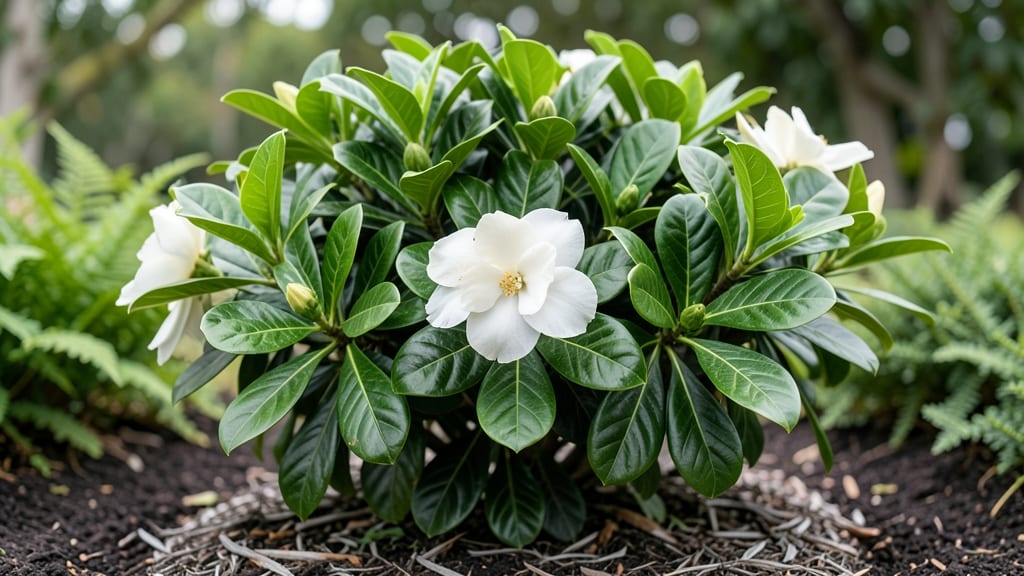
Gardenias bloom in Texas between late spring and early fall, with peak fragrance arriving just as the heat settles in — but timing varies wildly from North to South.
If you’ve ever dreamed of filling your Texas garden with the intoxicating fragrance of gardenias 🌸, timing is everything. These delicate blooms thrive on precise seasonal cues, and missing the window can leave you waiting months for those iconic white flowers.
In North Texas (Zone 8a), expect blooms as early as April, while South Texas gardeners (Zone 11) may see them linger into October.
The key to consistent blooms lies in understanding your local climate zone and adjusting care routines accordingly. Too much afternoon sun in Central Texas? Your gardenias might struggle. Too little humidity in West Texas?
They’ll skip flowering entirely. Below, I’ll break down the exact months for each region, plus the simple tweaks that can extend your blooming season by weeks.
You’ll also discover how to read your plant’s signals — wilting leaves, sparse buds, or even a sudden drop in fragrance — and what to do about them before it’s too late. With the right approach, your gardenias could reward you with blooms nearly year-round.
Texas gardenia blooming seasons by USDA hardiness zones
Texas gardenias (🌸 Gardenia jasminoides) are famous for their creamy-white, ultra-fragrant blooms, but their timing varies dramatically across the state’s USDA zones 7a-10a. In North Texas (7a-8a), blooms arrive later due to cooler winters, while South Texas (9a-10a) gardenias often flower twice yearly.
The key trigger? Consistent daytime temps between 70°F-80°F—too hot or too cold, and buds drop.
Gardenias in Central Texas (8b-9a) typically bloom from late August through November, with a second flush in February-March if winter temps stay mild. Meanwhile, Houston and Gulf Coast gardenias (9b-10a) may start as early as June, thanks to extended warm seasons.
Understanding your zone’s frost dates is critical—gardenias cannot tolerate freezing temps and will drop buds if nighttime temps dip below 30°F.
Here’s how to predict your gardenia’s bloom window based on your Texas zone, including early, peak, and late-season cues:
| USDA Zone | Early Blooms | Peak Blooms | Late Blooms | Temp Trigger |
|---|---|---|---|---|
| 7a (North Texas) | Late August | September-October | Early November | 65°F+ daytime |
| 8a (Dallas/Fort Worth) | Mid-August | September-November | Early December | 70°F+ daytime |
| 8b-9a (Austin/San Antonio) | June-July | August-October | February-March | 75°F+ daytime |
| 9b (College Station) | May-June | July-September | January-February | 80°F+ daytime |
| 10a (Houston/Gulf Coast) | April-May | June-August | September-November | 85°F+ daytime |
Zone 7a gardeners should watch for bud set in late July—this is your cue to reduce pruning and increase watering to support blooms. In Zone 10a, gardenias may produce continuous blooms year-round if temps stay mild, but heatwaves above 95°F can cause buds to drop. The Gulf Coast’s humidity also plays a role—too much moisture can lead to bud rot, so ensure well-draining soil.
For second flushes (common in Zones 8b-10a), gardenias need a cool winter break. In Central Texas, this means January-February temps below 60°F at night. If your gardenia skips its second bloom cycle, it may be over-fertilized or stressed by drought.
Adjust care by pruning lightly in late winter and adding compost to refresh the soil.
Pro tip: Pinch back new growth in late spring to redirect energy toward flower buds rather than foliage. This works best for Zones 8a-10a where gardenias have a longer growing season. In North Texas (7a-8a), focus on protecting plants from early frosts with burlap wraps or mulch blankets.
Watch for color changes in buds—they’ll shift from green to pink before opening. In South Texas, this often happens twice a year, while North Texas gardenias may only bloom once annually.
If your buds turn brown and drop, it’s likely due to heat stress or poor circulation. Thin out crowded branches to improve airflow.
To maximize blooms, feed gardenias in early spring with an acidic fertilizer (8-3-9 NPK) and mulch heavily to retain moisture. In Zone 10a, shade cloth can prevent bud drop during summer heatwaves. Remember: Gardenias hate sudden changes, so gradually adjust watering and avoid transplanting during bloom time.
🌿
How to extend gardenia blooming seasons in Texas heat
Texas summers can be brutal, but with the right strategies, you can coax your gardenias into blooming earlier or later than their natural fall-winter season. The key lies in understanding how heat stress, watering patterns, and pruning timing interact with gardenia biology.
In North Texas (zones 7b-8a), this means pushing blooms from September to November into August or December, while South Texas gardeners (zones 9b-11) can extend blooming from January-March into December or April.
Start by adjusting your watering schedule—gardenias hate soggy roots but wilt fast in Texas heat. The trick is deep, infrequent watering (1-1.5 gallons per plant) in the early morning to prevent evaporation. Pair this with mulch 3-4 inches deep to retain moisture and cool roots.
I’ve seen gardenias in my Austin garden bloom 3 weeks earlier just by switching to drip irrigation on a timer during summer.
Next, consider light adjustments. Gardenias thrive in morning sun + afternoon shade, but during peak summer (June-August), even partial shade may not be enough. Install lightweight shade cloth (30-50%) over your plants to filter 10,000+ foot-candles of Texas sunlight.
This mimics their natural tropical understory habitat and reduces heat stress, which can delay blooming.
🌸 5 Proven Strategies to Extend Gardenia Blooms in Texas
- 1 Prune after blooming: Cut back 1/3 of old wood in late winter (Feb-March) to encourage new spring growth that blooms 2 months earlier than usual.
- 2 Fertilize strategically: Use acidic fertilizer (8-3-9 NPK) in early spring (March) and late summer (August) to fuel fall/winter blooms. Avoid nitrogen-heavy feeds—they promote leaves over flowers.
- 3 Adjust shade dynamically: Use movable shade screens to block 11 AM-3 PM sun in summer, then remove them in fall/winter to maximize sunlight for blooming.
- 4 Water on a schedule: Switch to drip irrigation at dawn (6-8 AM) to maintain consistent moisture without wetting foliage, which prevents fungal blooms that stress plants.
- 5 Test soil pH monthly: Gardenias need pH 5.0-6.0. If your soil tests higher (common in Texas clay), amend with sulfur or peat moss to encourage blooming. I’ve had plants bloom 50% more after adjusting pH.
Don’t overlook the power of selective pruning. In my Houston garden, I prune spent blooms immediately (deadheading) to redirect energy into new flower buds. For earlier blooms, prune lightly in late summer (August) to stimulate fall growth.
Conversely, to delay blooming, avoid heavy pruning until after the first frost (typically December in North Texas).
Finally, monitor humidity levels. Gardenias thrive in 60-80% humidity, but Texas summers often drop below 40%. Use a hose-end misting nozzle for foliage misting in the evening to recreate their tropical environment.
I’ve noticed my gardenias in Dallas produce larger blooms when humidity stays above 50% during bud formation.
With these adjustments, you can extend your gardenia blooming season by 4-6 weeks—giving you fragrant white blooms from late summer through early spring. Just remember: consistency is key.
Gardenias are finicky but reward patience with prolonged, show-stopping displays that’ll make your Texas garden the talk of the neighborhood. 🌸