
Planting
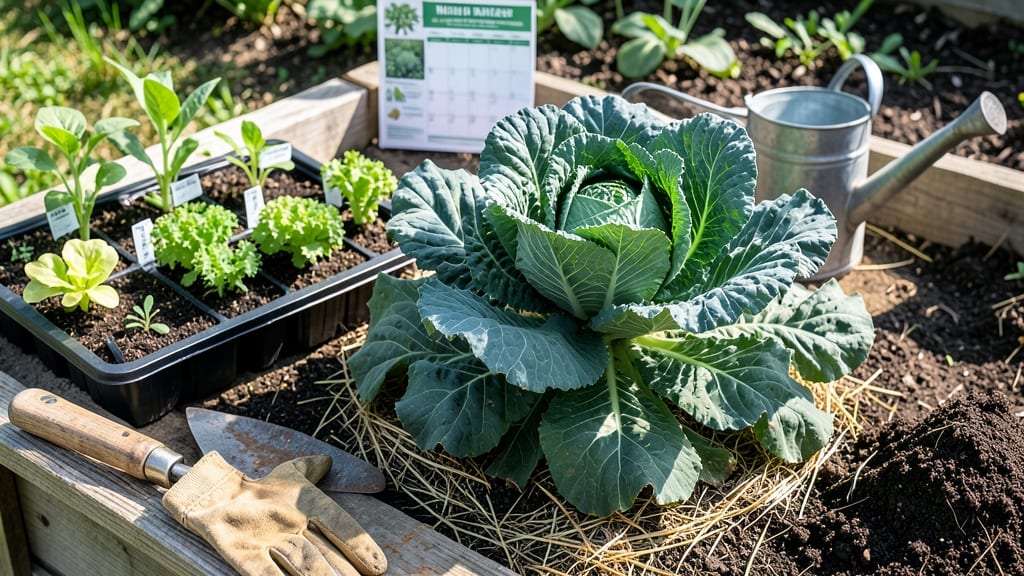
The best time to plant a garden in Michigan is between mid-April and mid-June for spring crops and August to early September for fall harvests, aligning with your local frost-free window.
Michigan gardeners know timing is everything—plant too early, and frost will ruin your hard work; too late, and your harvest suffers. But with Michigan’s diverse USDA zones (4a-6b), figuring out the perfect planting window can feel like solving a puzzle.
Cool-season crops like peas and spinach thrive when planted 4-6 weeks before your last frost, while tomatoes and peppers need the soil to warm up—aim for 2-3 weeks after frost danger has passed. The Upper Peninsula’s shorter season demands extra care, but the Lower Peninsula’s longer growing window offers flexibility.
Below, I’ll break down the exact planting deadlines by crop, region-specific frost dates, and how to stretch your season with simple tricks—so you can enjoy a bountiful harvest from May through October.
Michigan’s planting zones & last frost dates by region
Michigan’s USDA plant hardiness zones range from 4a to 6b, creating wildly different planting windows across the state. The Upper Peninsula (zones 4a-5a) faces longer winters and later last frosts, while the Southeast (zones 6a-6b) enjoys earlier springs.
Knowing your exact zone and last frost dates is critical for timing heat-loving crops like tomatoes and peppers—plant too soon, and frost will kill them.
Most Michigan gardeners focus on two key dates: the average last frost date (when soil warms enough for warm-season crops) and the zero-frost-risk window (when nighttime temps reliably stay above 32°F).
In the Lower Peninsula, this window typically opens in mid-May to early June, while the Upper Peninsula may wait until late May or June. These differences mean a 3-4 week shift in planting schedules!
Why does this matter? Cold-sensitive crops like cucumbers and basil need 50+ frost-free days to mature. Planting too early in the Upper Peninsula risks losing your entire crop. Meanwhile, cool-season crops (spinach, peas) thrive when planted 4-6 weeks before the last frost—so timing them right in zone 6b (like Detroit) means starting in March, while zone 4a (Marquette) waits until April.
Pro Tip: Use a soil thermometer—warm-season crops need soil temps of 60°F+ to germinate. In zone 5b (Grand Rapids), this often aligns with late May, but zone 6a (Ann Arbor) can start 2 weeks earlier. Always check local Michigan State University Extension updates, as frost dates shift yearly.
Here’s how Michigan’s three main regions break down:
For example, in zone 6b (like Ypsilanti or Kalamazoo), you can plant tomatoes and peppers as early as May 1, but in zone 4a (like Houghton), wait until June 10.
This 1-month difference explains why some Michigan gardeners swear by row covers—they extend the growing season by 2-3 weeks in colder zones.
Don’t forget fall planting! While spring gets all the attention, cool-season crops like kale, spinach, and radishes thrive when sown 8-10 weeks before the first frost. In zone 6b, this means late July to early August, while zone 4a waits until August 15.
Fall crops often produce sweeter harvests because cooler temps slow their growth, concentrating flavors.
Local microclimates also play a role. Gardens near Lake Michigan (like Traverse City) enjoy 1-2 weeks earlier last frosts than inland areas. Urban heat islands in Detroit or Grand Rapids can delay first frosts by 10 days.
To adjust, observe your own garden’s patterns for 3 years—your notes will become more accurate than average dates!
If you’re still unsure, start cold-hardy
Best crops to plant by Michigan’s two key planting windows
Michigan’s two key planting windows—early spring and late spring—define the rhythm of a successful garden. Early spring is all about cold-hardy crops that thrive in cooler temperatures, while late spring welcomes heat-loving plants once the frost risk fades.
Understanding these windows helps you maximize your harvest without wasting time or resources.
In early spring (March–April), focus on cool-season vegetables like peas, spinach, and kale. These plants tolerate light frosts and even prefer cooler weather. Meanwhile, late spring (May–June) is when you’ll plant warm-season crops such as tomatoes, peppers, and basil, which need consistent warmth to flourish.
🌱 Michigan Planting Windows: What to Sow When
- 📅 Early Spring (March–April): Plant cold-hardy crops like peas, spinach, and kale 4–6 weeks before the last frost. These thrive in 40–60°F soil and can handle light frosts.
- 🌱 Late Spring (May–June): Wait until after the last frost date (typically mid-May in southern Michigan, early June in the north) to plant warm-season crops like beans, squash, and basil. Soil should be 60–70°F.
- 🔄 Succession Planting: For fast-growing crops like lettuce or radishes, sow seeds every 2–3 weeks in early spring to ensure a continuous harvest before summer heat sets in.
- 🌿 Michigan-Specific Varieties: Choose early-maturing varieties of tomatoes (e.g., ‘Early Girl’) or cold-tolerant basil (e.g., ‘Genovese’) to adapt to shorter growing seasons.
- 🌡️ Soil Temperature Matters: Use a soil thermometer to confirm readiness—peas need 40°F, while cucumbers require 70°F+ to germinate.
For early spring planting, I recommend starting with peas and spinach, which can handle Michigan’s unpredictable frosts.
These crops are fast-growing and provide early harvests, giving you a nutritional boost before summer arrives. Kale and broccoli are also excellent choices—they’ll thrive in cooler weather and even improve in flavor after a light frost.
Once the last frost date has passed (usually around May 15 in southern Michigan and June 1 in the north), shift to warm-season crops. Beans, squash, and basil love the heat and will reward you with bountiful harvests if planted at the right time.
I always plant bush beans first, as they mature quickly and are less prone to disease in Michigan’s humid summers.
Don’t forget about succession planting—this technique ensures you’re always harvesting fresh produce. For example, sow lettuce every 3 weeks in early spring to enjoy a steady supply before the summer heat slows growth.
Similarly, radishes and bush beans can be replanted in late summer for a fall harvest before the first frost.
Michigan’s short growing season demands smart planning. By mastering these two planting windows and using succession planting, you’ll turn your garden into a year-round productivity machine—no wasted space or missed opportunities! 🌿