
Planting
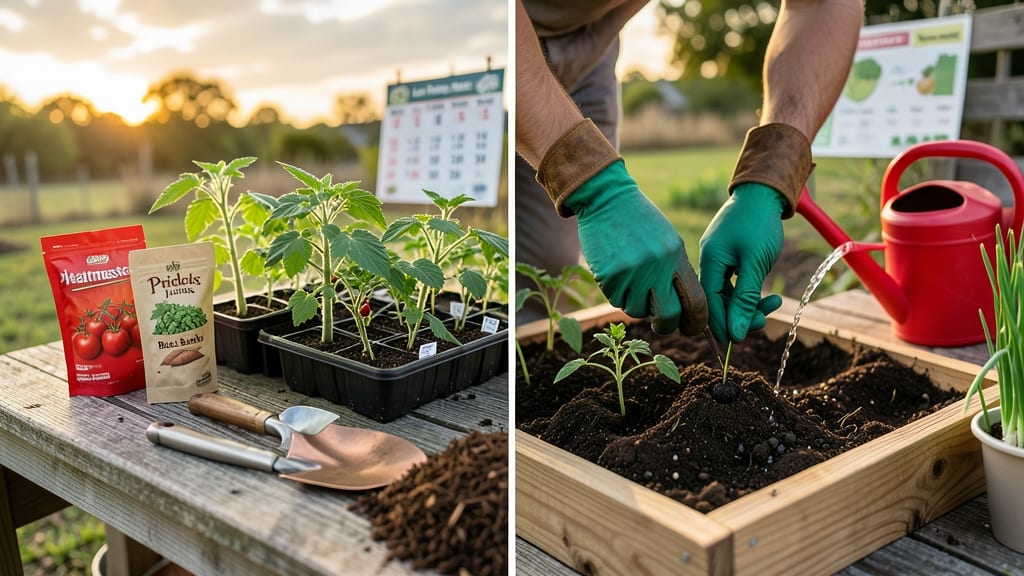
Plant a garden in Texas when soil temperatures hit 60°F and the last frost date has passed — timing that shifts dramatically from the Panhandle to the Rio Grande Valley.
Texas gardeners know timing is everything — plant too early and frost wipes out your hard work, too late and summer heat stifles growth. But with Texas' diverse climate zones, the "perfect" planting window varies wildly from the Panhandle to South Texas.
In North Texas (USDA Zones 7b-8a), wait until mid-March to early April for warm-season crops like tomatoes and peppers, while South Texas (Zones 8b-9a) gardeners can start as early as February. Cool-season veggies like spinach and lettuce have even earlier windows.
Below, I break down the exact dates by region, how to read your local frost risk, and which crops thrive in Texas' extreme heat — so you can grow a flourishing garden without the guesswork.
Texas planting Zones explained: key dates by region for frost-free success
Texas' unique climate divides it into 11 distinct planting zones (A-F, 1-5), each with its own last-frost-date averages that dictate when to plant. Understanding these zones helps you avoid frost damage while maximizing your garden's potential.
For example, North Texas (Zones 8a-8b) faces late frosts around March 15, while South Texas (Zones 9a-10a) rarely sees frost after January 15.
Warm-season crops like tomatoes, peppers, and squash need soil temperatures above 60°F to thrive, while cold-hardy vegetables like spinach, broccoli, and lettuce can tolerate light freezes down to 25°F. Knowing your zone ensures you plant at the right time for each crop type.
| Zone | Avg. Last Frost | Warm-Season Planting Window | Cold-Hardy Planting Window | Key Crops for Zone |
|---|---|---|---|---|
| A (Panhandle) | March 15 | April 1 - May 15 | February 1 - March 10 | Tomatoes, Peppers, Spinach, Broccoli |
| B (North Central) | March 1 | March 20 - April 30 | January 15 - February 20 | Okra, Sweet Potatoes, Lettuce, Kale |
| C (Central) | February 28 | March 1 - April 15 | January 1 - February 15 | Peppers, Eggplant, Cabbage, Carrots |
| D (East) | February 15 | February 20 - March 30 | December 15 - January 31 | Sweet Corn, Green Beans, Collards, Onions |
| E (South Central) | January 31 | February 1 - March 15 | November 15 - January 15 | Cucumbers, Melons, Spinach, Radishes |
| F (South Texas) | January 15 | January 1 - February 15 | October 15 - December 31 | Peppers, Eggplant, Basil, Okra |
| 1 (North) | March 1 | April 1 - May 1 | February 1 - March 10 | Tomatoes, Peppers, Lettuce, Kale |
| 2 (Central) | February 28 | March 1 - April 15 | January 1 - February 20 | Okra, Sweet Potatoes, Brocc
Zero-frost risk crops: Texas-specific plants you can safely start in early springTexas' early spring heat means you can skip the frost worries and jumpstart your garden with zero-frost risk crops. These heat-loving plants thrive when soil temperatures hit 60°F or warmer, giving you a head start before summer's peak. I've grown these in my East Texas garden for years—once you master the timing, your harvests will be bountiful. For sandy soils common in West Texas, focus on drought-tolerant varieties like okra and black-eyed peas, while clay-heavy soils in East Texas benefit from sweet potatoes and collard greens. The key is preparing your soil 4-6 weeks before your local last frost date—Texas A&M recommends testing soil pH (aim for 6.0-6.8) and amending with compost.
My sandy soil garden in Zone 8b gets planted with okra and black-eyed peas by mid-March, while my neighbor in clay-heavy Zone 9a starts sweet potatoes in late February. The trick is monitoring soil temps with a soil thermometer—these crops won't germinate in cold soil, no matter how eager you are! For herbs like basil, I swear by starting seeds indoors 6 weeks before the last frost date. These heat-lovers need 6+ hours of sun daily and well-draining soil—amend clay soils with compost and perlite to prevent waterlogging. Mulch with straw to retain moisture during Texas' unpredictable spring showers. Don't forget peppers—they're the divas of early spring planting! Transplant them after your last frost date when nighttime temps stay above 55°F. I use black plastic mulch to warm the soil faster and deter weeds. For cilantro, be prepared to harvest quickly before it bolts in the heat—succession planting every 2 weeks keeps a steady supply. Pro tip: Mark your calendar for Texas A&M's frost alerts—their Texas Weather Today app gives real-time updates. In my East Texas garden, I've lost entire plantings of basil to unexpected late frosts. When in doubt, plant a little later than you think you should—these heat-lovers will thank you with bigger harvests! |