
Planting
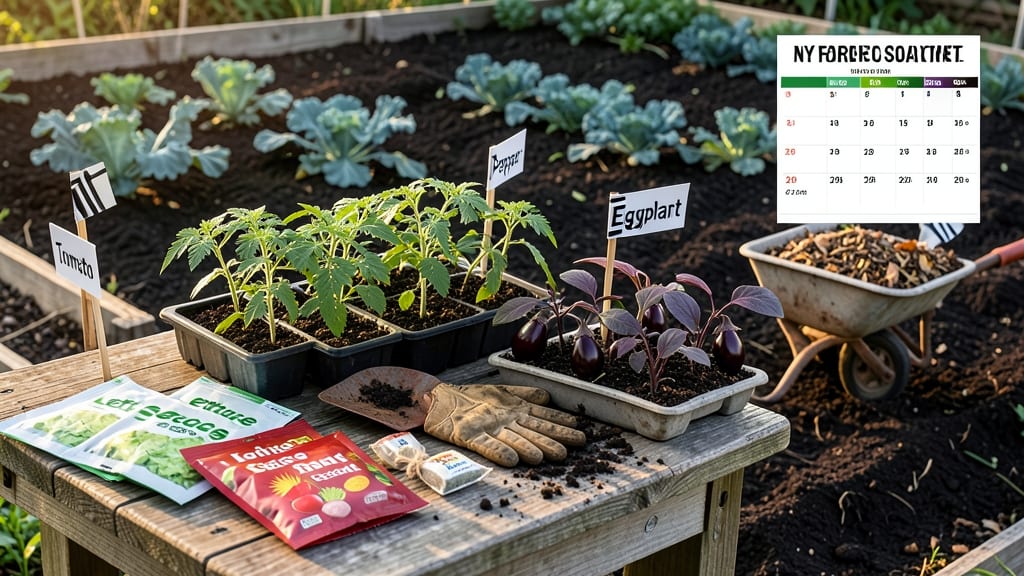
Planting a vegetable garden in New York at the right time means the difference between a bountiful harvest and a sad pile of frost-bitten seedlings.
New York’s unpredictable frost dates and diverse microclimates can make timing your vegetable garden critical—plant too early, and your seedlings will freeze; too late, and pests or heat will ruin your harvest.
From the urban heat islands of NYC to the cooler lake-effect zones of Upstate, each region has its own deadlines. Whether you’re sowing cold-hardy greens in March or waiting for the soil to warm in May, knowing these windows is the key to a fast, productive garden.
Below, I break down the exact frost dates by zone, the best vegetables to plant each month, and how to adjust for microclimates—so you can start strong and keep harvesting all summer and fall.
New York planting zones & frost dates: exact deadlines for spring and fall crops
New York spans USDA Hardiness Zones 5-7, creating distinct planting windows across NYC, Long Island, and Upstate regions. These zones determine your last spring frost and first fall frost, which are critical for scheduling cool-season and warm-season crops.
In Zone 5 (Upstate), expect 120-140 frost-free days, while Zone 7 (Long Island) enjoys 180-200 days—a 60-day difference that impacts what you can grow!
For spring planting, aim to sow cold-hardy crops 2-4 weeks before your last frost date. Warm-season vegetables like tomatoes and peppers need soil temperatures above 55°F (13°C)—wait until 2 weeks after your last frost.
Fall crops should be planted 60-90 days before your first frost to ensure harvest before winter sets in.
Here’s a region-specific breakdown of frost dates and planting deadlines to help you plan:
| Region | USDA Zone | Last Spring Frost | First Fall Frost | Spring Planting Deadline | Fall Planting Deadline |
|---|---|---|---|---|---|
| NYC & Long Island | 6b-7a | April 15–May 1 | October 15–20 | May 15–June 1 | August 1–15 |
| Upstate (Albany, Syracuse) | 5b-6a | May 1–15 | September 20–October 5 | May 20–June 10 | July 15–August 1 |
| Adirondacks (Higher Elevation) | 4b-5a | May 15–30 | September 10–20 | June 1–15 | June 20–July 10 |
In Zone 6-7 areas like Long Island and NYC, you can push the limits with heat-tolerant varieties of tomatoes, peppers, and eggplants. Look for ‘Early Girl’ tomatoes or ‘Jalapeño M’ peppers, which thrive in warmer microclimates.
For Zone 5, opt for shorter-season varieties like ‘Stupice’ tomatoes (55 days to maturity) or ‘Early Wonder’ beans to avoid frost damage.
Use these frost-free day estimates to plan your garden layout. For example, broccoli and kale can tolerate light frosts, so plant them 3-4 weeks before your last frost. Cucumbers and squash, however, need 70-85°F (21-29°C) soil and should wait until 2 weeks after your last frost.
Always check soil temperatures with a thermometer—cool soil can stunt seedling growth even if air temps are warm.
Fall planting is equally time-sensitive. In Zone 7, you can sow spinach and radishes as late as September 15, but in Zone 5, wrap up by August 1 to avoid early frosts.
Extend your harvest by using row covers or cold frames to protect tender crops like lettuce and carrots through October.
Track local frost dates using resources like the National Weather Service or Cornell Cooperative Extension, which provide hyper-local forecasts. Adjust your planting timeline if you notice unseasonably warm or cold springs—these shifts can create 2-3 week variations in frost dates year to year.
Pro tip: Start heat-sensitive crops like peppers and eggplants indoors 8-10 weeks before your last frost. Use grow lights to simulate long daylight hours, ensuring strong seedlings ready for transplant. For cool-season crops, direct-sow peas and spinach as soon as soil is workable—even if frost is still possible.
Remember, microclimates matter. A south-facing wall or urban heat island can create a 5-10°F warmer zone, allowing you to plant 2 weeks earlier in spring or 2 weeks later in fall. Observe your garden’s unique conditions and adjust deadlines accordingly!
By mastering these zone-specific deadlines, you’ll maximize your garden’s potential and enjoy a longer,
Best vegetables to plant by month in New York: month-by-month schedule for maximum yield
New York’s growing season stretches from early spring to late fall, but timing is everything. Cold-hardy crops like spinach and peas thrive in March-April, while heat-lovers such as tomatoes and peppers need June-July warmth.
Upstate areas (Zones 5-6) can start earlier than NYC (Zone 7), but microclimates—like urban heat islands—change the game. Let’s break it down by month to maximize your harvest.
For leafy greens and root vegetables, succession planting is key. Sow radishes every 2 weeks from March to August for continuous harvests. Meanwhile, nightshades (tomatoes, peppers, eggplants) need warm soil—wait until after May 15 in most of NY.
NYC’s concrete jungles can push planting dates 1-2 weeks earlier for heat-sensitive crops.
🌱 March-April: Start cold-hardy crops indoors or under row covers. Plant peas, spinach, lettuce, and onions outdoors once soil reaches 40°F. Upstate gardeners can plant potatoes in early April, while NYC waits until late April.
🌿 May: Transition to warm-season crops as nights stay above 50°F. Plant beans, squash, and cucumbers directly in the ground. Tomatoes and peppers can go in after May 15, but use black plastic mulch to warm soil faster in cooler areas.
🌻 June-July: This is prime time for heat-loving vegetables. Plant sweet corn, peppers, and eggplants once soil hits 60°F. In NYC, use containers to extend the season for tomatoes. Succession plant bush beans every 2 weeks for a steady supply.
🍂 August-September: Shift to cool-season crops for fall harvests. Broccoli, cabbage, and kale thrive when planted 6-8 weeks before the first frost (typically late October in most of NY). Use row covers to protect tender greens from early frosts.
✂️ October-November: Wind down the garden with garlic (plant in October for next year’s harvest) and cover crops like clover to enrich soil. Pull up annuals, amend beds with compost, and mulch to protect soil over winter.
NYC gardeners can squeeze in one last spinach planting for a late fall harvest.