
Planting
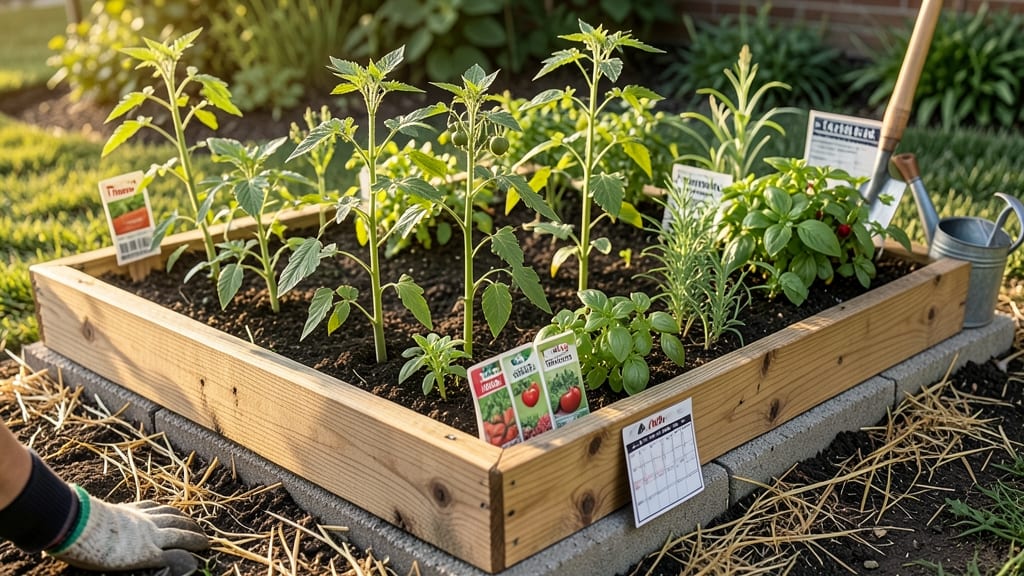
Planting a garden in Arkansas means timing your seeds and seedlings to avoid frost in zones 6b-8a—because a late freeze can turn your hard work into a sad, wilted memory.
Arkansas gardeners know timing is everything—plant too early and frost will wipe out your hard work, but wait too long and you’ll miss peak harvests. With the state’s diverse USDA zones, knowing the exact zero-frost deadlines for your county is the secret to a thriving garden.
From the cooler highlands of the Ozarks (zone 6) to the warmer Delta (zone 8), the last frost date shifts from March 1 in the north to February 15 in the south.
That’s why cool-season crops like spinach and broccoli need to go in by early March, while tomatoes and peppers can wait until after the April 15 average.
Below, I break down the best planting windows for every Arkansas region, plus how to stretch your season with simple tricks like row covers and mulch—so you can grow more without the guesswork.
Arkansas planting zones: exact last frost dates by region (2024)
Arkansas gardeners face a unique challenge with its three distinct USDA zones (6b-8a), where the difference between north and south can mean weeks of planting time.
In North Arkansas (zone 6b), gardeners in Benton County often wait until mid-April for safe planting, while South Arkansas (zone 8a) in Sebastian County can start as early as mid-February for frost-sensitive crops.
These regional differences make knowing your exact last frost date critical for timing everything from seed starting to transplanting.
Central Arkansas, including Pulaski County (zone 7a), typically sees its last frost around March 15, giving gardeners a 2-week window between northern and southern regions.
This variability means cool-season crops like broccoli and spinach can be planted in zone 8a by February 15, while tomatoes and peppers in zone 6b shouldn’t go in until April 15 to avoid frost damage.
Understanding these deadlines helps avoid costly mistakes like seedling loss or stunted growth from premature planting.
| Region | USDA Zone | Avg. Last Frost | Safe Planting Window | Key Counties |
|---|---|---|---|---|
| North Arkansas | 6b | March 15 - April 1 | Cool crops: 4-6 wks before Warm crops: 2-3 wks after |
Benton, Washington, Carroll |
| Central Arkansas | 7a | March 1 - March 15 | Cool crops: 3-5 wks before Warm crops: 1-2 wks after |
Pulaski, Saline, Faulkner |
| South Arkansas | 8a | February 15 - March 1 | Cool crops: 2-4 wks before Warm crops: immediately after |
Sebastian, Arkansas, Monroe |
For gardeners in Benton County (zone 6b), the 10-year average last frost date is March 22, but microclimates near Mountain View can push this back to April 5.
This means cold-hardy crops like kale and peas should be sown by February 15, while warm-season favorites like cucumbers and squash wait until April 20.
In Pulaski County (zone 7a), the Little Rock Airport records an average last frost of March 10, but urban areas like North Little Rock may experience frost as late as March 25 due to heat island effects.
Southern Arkansas, particularly Sebastian County (zone 8a), offers the earliest planting opportunities. The El Dorado area often sees its last frost by February 20, allowing gardeners to start tomatoes and peppers indoors in January for transplanting by March 1.
This extended season lets fall crops like collards and turnips thrive well into November, while zone 6b gardeners may need to use row covers to protect late-season plantings until October 30.
Historical data shows that Arkansas’ frost dates shift yearly—sometimes by 2 weeks or more. For example, 2023 saw a late frost in Benton County until April 10, while 2022’s mild winter had zone 6b frost-free by March 18.
To stay ahead, I recommend checking the National Weather Service’s Arkansas climate reports or using local garden extension services for real-time updates. These resources provide hyperlocal adjustments that can mean the difference between a bountiful harvest and a failed crop.
One common mistake is assuming all of Arkansas follows the same timeline. For instance, Fayetteville (zone 7b) has a last frost date of March 5, while Jonesboro (zone 7a) averages March 12.
This 7-day difference can impact when to plant eggplants or okra, which thrive in hotter soil temperatures. To bridge these gaps, I’ve found that soil thermometers (aim for 60°F+) and frost watches from the National Weather Service are invaluable tools for precision planting.
For fall planting, Arkansas’ first frost dates vary just as widely. Zone 6b areas like Clarksville often see frost by October 25, while zone 8a’s El
Best crops for Arkansas’ planting windows: cool-season vs. warm-season timing
Arkansas’ two distinct planting seasons—spring and fall—offer perfect windows for cool-season and warm-season crops.
In the Ozarks (zone 6), cool-season crops like broccoli and spinach should start 4-6 weeks before last frost (late February to early March), while tomatoes and peppers thrive when planted 2-3 weeks after last frost (mid-April).
Meanwhile, the Delta (zone 8) can push these dates earlier by 2-3 weeks.
Microclimates add another layer: urban areas like Little Rock often heat up faster than rural spots, meaning warm-season crops can go in earlier. Conversely, valleys and low-lying areas may hold frost longer, delaying spring planting by 1-2 weeks.
Fall planting follows the reverse logic—cool-season crops go in 8-10 weeks before first frost (late July to early August).
🌱 Arkansas Planting Timeline by Crop Type
- Cool-Season Crops (Spring): Plant broccoli, spinach, kale, peas, and lettuce 4-6 weeks before last frost (late Feb–early March in zone 6; early Feb in zone 8).
- Warm-Season Crops (Spring): Start tomatoes, peppers, and cucumbers 2-3 weeks after last frost (mid-April in zone 6; late March in zone 8).
- Fall Cool-Season Crops: Sow spinach, radishes, and carrots 8-10 weeks before first frost (late July–early August).
- Microclimate Adjustments: Urban areas? Plant warm-season crops 1 week early. Valleys? Delay by 1-2 weeks.
- Zero-Frost Risk Window: Arkansas’ 200+ frost-free days (zone 6) to 240+ days (zone 8) let you stretch seasons with row covers.
For cool-season crops, focus on hardy greens and brassicas like kale and cabbage, which tolerate light frosts. In my zone 7 garden, I’ve had success with ‘Winterbor’ kale, planted in late February, surviving 28°F temps.
Warm-season crops, however, hate cold—even 50°F soil can stunt tomato seedlings, so wait until nighttime temps stay above 55°F.
Fall planting is just as critical. Leafy greens and root vegetables thrive in cooler weather, but don’t wait too late. In zone 8’s Delta region, I plant ‘Cherry Belle’ radishes in late July for a harvest before Thanksgiving.
Use black plastic mulch to warm soil for earlier spring starts or row covers to extend fall harvests.
Adjust for microclimates: A south-facing wall can add 10°F warmth to your garden, letting you plant warm-season crops 1-2 weeks early. Conversely, shady spots may need cool-season crops only.
Test your microclimate by placing thermometers at plant height for a week—you’ll spot the hot spots and cold pockets.
Pro tip: Direct-sow seeds for cool-season crops like lettuce and peas—they germinate faster in cooler soil than transplants. For warm-season crops, start seeds indoors 6-8 weeks before last frost to give them a head start.
My ‘Better Boy’ tomatoes always outperform store-bought seedlings because I grow them from seed under grow lights.