
How To
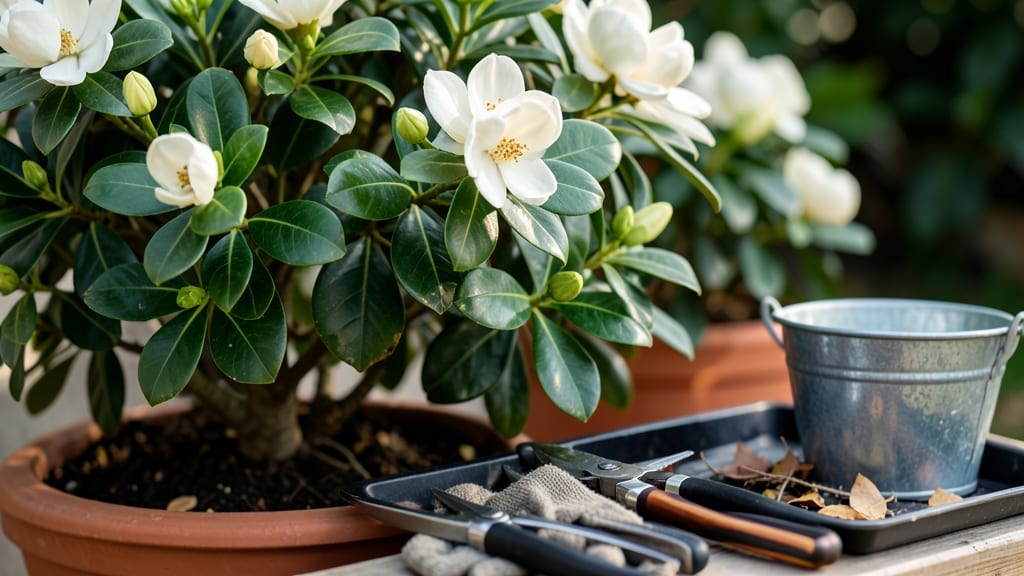
Trimming gardenia bushes at the right time keeps them blooming like clockwork 🌸—and most gardeners miss the best window entirely.
Struggling to keep your gardenia bushes blooming beautifully year after year? Timing your pruning perfectly is the secret weapon every gardener needs—but most get it wrong.
In USDA Zone 6, the ideal time is just after flowering in late spring or early summer, when the plant has finished its main bloom cycle. This encourages fresh growth and more fragrant blooms for next season.
Below, I’ll break down the exact timing for your climate, how to shape your gardenia for maximum blooms, and the one pruning mistake that kills flowers faster than anything else.
Optimal gardenia pruning seasons: month-by-month bloom timing guide
Timing your gardenia pruning is the secret to year-round fragrance and lush blooms. Unlike many plants, gardenias bloom on old wood, meaning last year's growth produces this year's flowers.
Prune at the wrong time, and you risk sacrificing next season's heavily scented blooms—the very reason we love these tropical beauties. Understanding your USDA hardiness zone and local climate is key to avoiding this common mistake.
In cool climates (Zones 7-9), gardenias typically bloom from late spring to early fall, while warm climates (Zones 10-11) may see blooms year-round. The best pruning window varies by region, but the golden rule is to never prune after July in most areas.
This ensures you don't cut off potential next year's flower buds, which begin forming in late summer.
🌸 Key Takeaway: Prune gardenias after flowering (late summer/early fall) or late winter/early spring before new growth starts. This timing maximizes blooms while keeping your shrub healthy and compact.
In USDA Zones 7-9, the ideal pruning window is late winter (February-March) when the plant is still dormant. This is when you can safely remove dead or crossing branches without risking next year's blooms.
However, if your gardenia blooms heavily in spring, avoid heavy pruning until after the last frost—typically around April 15 in Zone 7.
For warmer climates (Zones 10-11), gardenias often bloom year-round, so pruning becomes more flexible. You can lightly shape the bush after each major bloom cycle to maintain its form.
The critical window here is August-September, when you should prune to encourage next year's growth while still allowing current blooms to develop fully.
One common mistake is pruning gardenias in late summer or fall, which can remove next year's flower buds. Always wait until after the last major bloom cycle before doing any significant shaping. For example, if your gardenia blooms heavily in June, wait until September to prune.
If you live in a cooler climate (Zone 6 or below), gardenias may need winter protection. In these areas, prune only in late winter (March) and avoid any heavy cuts.
Wrap the plant in burlap or frost cloth after pruning to protect it from freezing temperatures, which can damage the delicate branches.
Pro tip: Use sterilized pruning shears to make clean cuts at a 45-degree angle just above a leaf node. This encourages faster healing and reduces the risk of disease. Always clean up fallen leaves after pruning to prevent fungal issues like powdery mildew, which thrives in humid conditions.
Remember, gardenias reward patience. A light touch with your pruners—especially in the months leading up to bloom season—will ensure your shrub
How to prune gardenia bushes for maximum blooms: step-by-step tricks
Pruning your gardenia bushes at the right time transforms them from occasional bloomers to fragrant, flower-covered stars. The key? Understanding when to trim for maximum blooms while avoiding the common mistakes that stifle growth. Gardenias bloom on new wood, so strategic cuts encourage lush, fragrant flowers year after year.
Most gardeners make two critical errors: pruning after flowering (which removes next year’s buds) or cutting too aggressively (stressing the plant). Instead, focus on deadheading spent blooms and shaping the bush during its dormant season. Let’s dive into the precise steps to keep your gardenias thriving.
🌸 Step-by-Step Pruning Guide
-
Step 1: Deadhead spent blooms
Remove wilted flowers immediately after blooming to redirect energy to new growth. Use clean, sharp pruning shears and cut just above a leaf node. -
Step 2: Shape the bush in late winter
Prune 2-3 inches above a leaf bud to maintain shape. Avoid cutting into old wood—focus on new growth for future blooms. -
Step 3: Thin out crowded branches
Remove crossing or weak branches to improve airflow. This prevents fungal diseases and encourages stronger blooms. -
Step 4: Avoid summer pruning
Never prune during summer heat. Wait until fall or early spring to minimize stress on the plant. -
Step 5: Clean up after pruning
Sterilize shears with rubbing alcohol and remove all debris to prevent pests or disease.
Timing is everything—prune your gardenia bushes right after flowering (late summer) and again in late winter before new growth starts. This two-step approach ensures your plant stays healthy and bursting with blooms all season long.
One critical mistake to avoid? Cutting into old wood (brown, woody stems). Gardenias bloom on new growth, so always prune just above a leaf bud or green stem. If you accidentally prune too much, don’t panic—your gardenia will recover with proper care and consistent watering.
For potted gardenias, prune similarly but watch for root-bound stress. After shaping, repot if roots circle the container. Mulch around the base to retain moisture and keep the soil acidic—gardenias thrive in pH 5.0-6.5 soil.
With these step-by-step tricks, your gardenia bushes will reward you with abundant, fragrant blooms for years to come. Happy pruning! 🌿