I’ve always had a green thumb—whether it was sneaking seeds from my grandfather’s garden as a kid or wrestling with tomato plants in my first apartment. Now, I’m here to share the joy of growing things, from easy-care houseplants to bold backyard experiments. My approach is simple: practical advice, real stories, and a little bit of the magic that happens when you get your hands in the dirt.
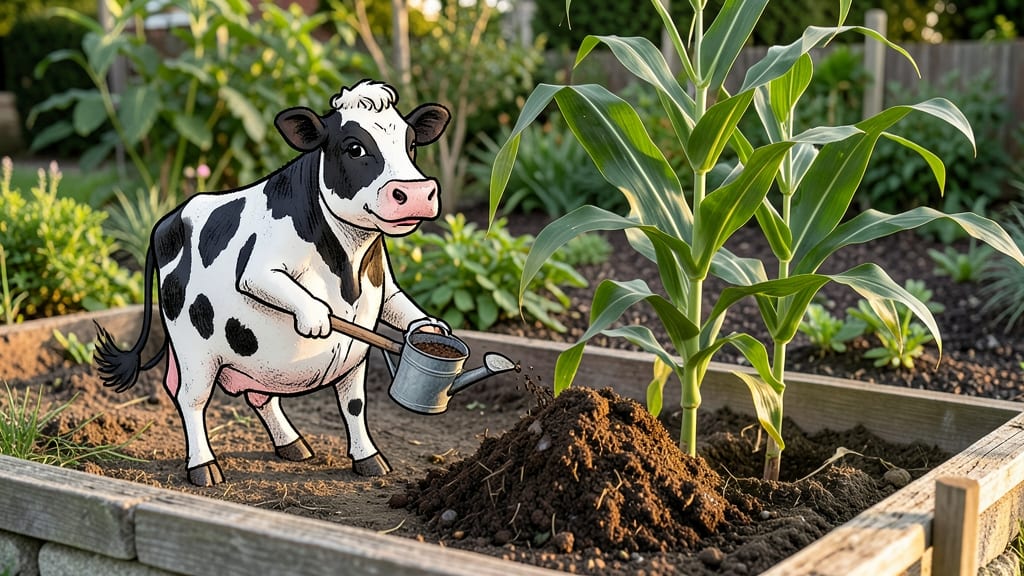
💥 Quick Answer The cow in Grow a Garden serves as a natural soil enhancer by producing nutrient-rich manure that improves plant growth through added organic matter, nitrogen, phosphorus, and potassium. This organic…
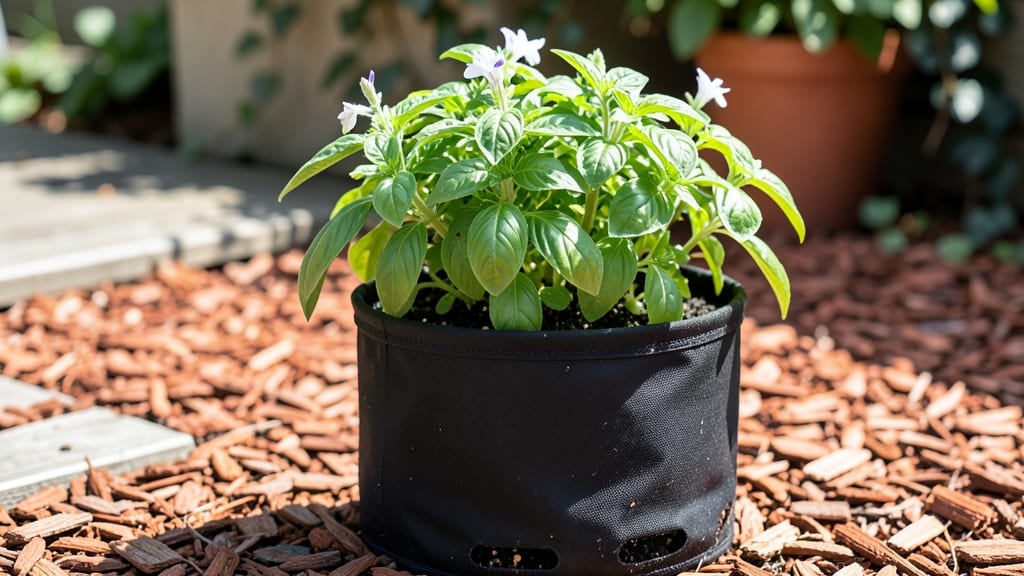
💥 Quick Answer For heavy plants like tomatoes or citrus trees, 15-gallon garden pots provide the ideal 15 cubic feet of root space while demanding sturdy materials such as thick plastic, reinforced fabric, or heavy-duty…
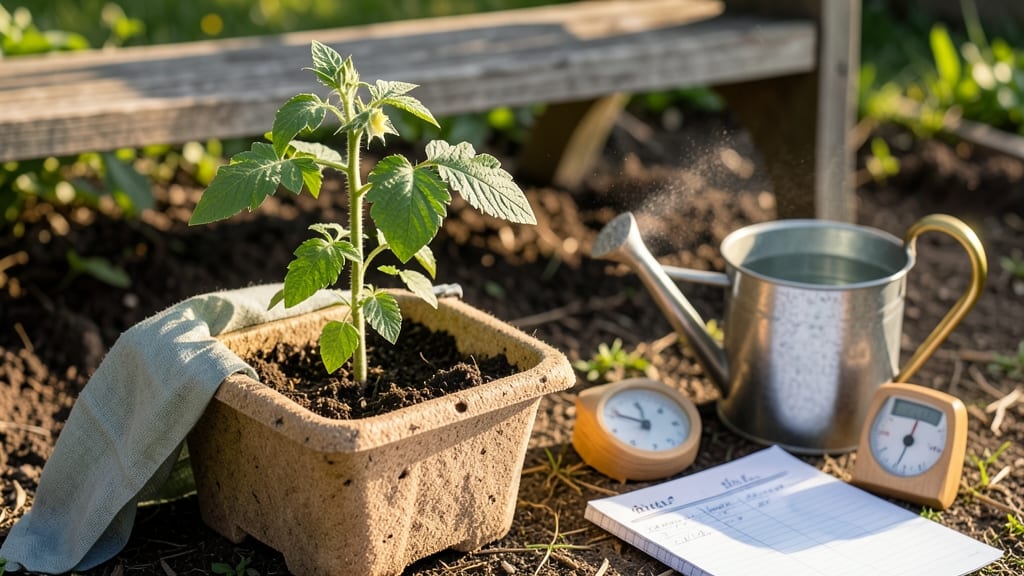
💥 Quick Answer Harden off in gardening means preparing seedlings for outdoor life by slowly exposing them to sunlight, wind, and temperature changes over 7–14 days before transplanting to prevent stress and boost…
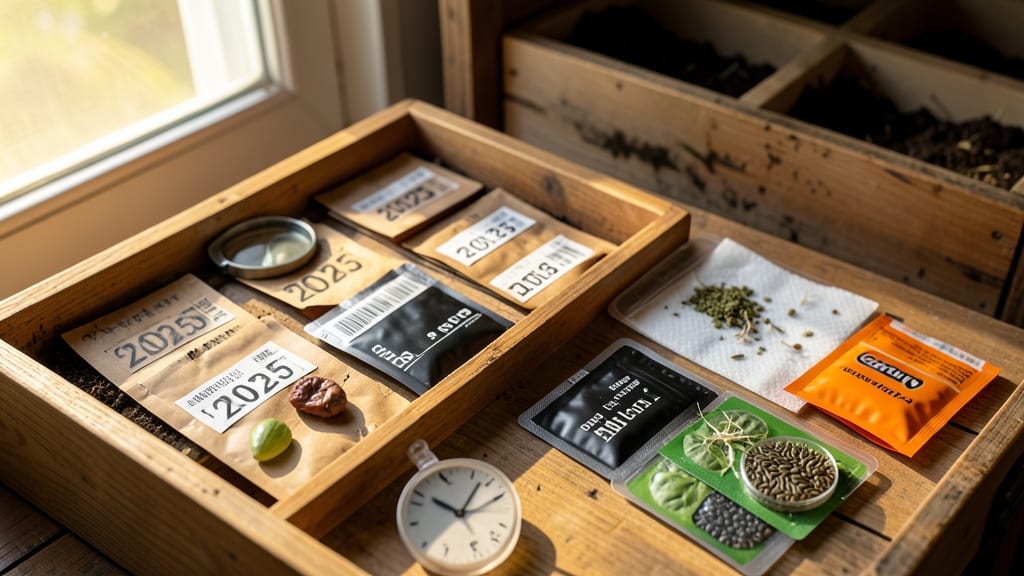
💥 Quick Answer Garden seeds do go bad over time, losing their ability to sprout within 1-5 years unless stored properly. Factors like moisture, temperature swings, and oxygen exposure accelerate this process, while…
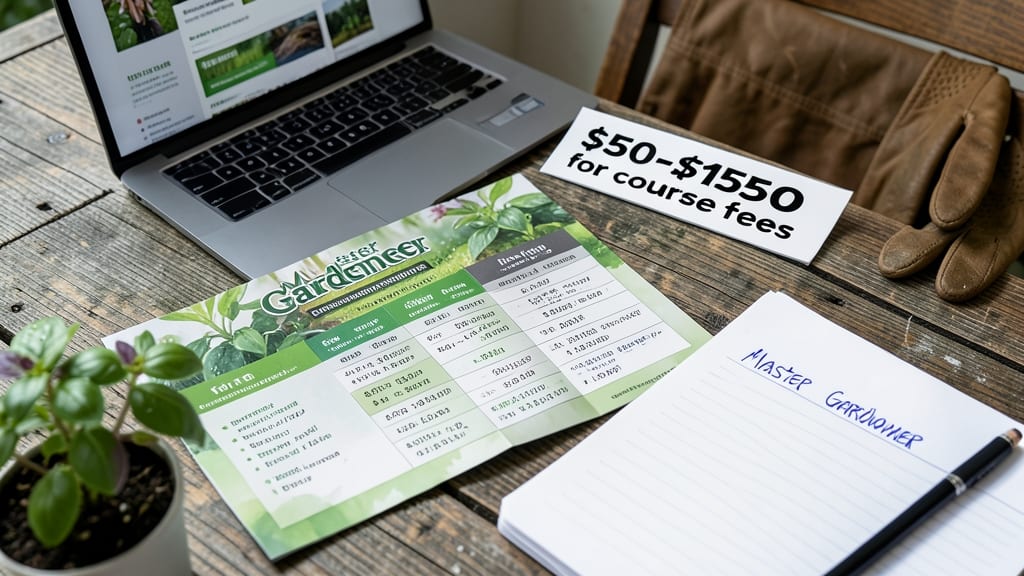
💥 Quick Answer To become a master gardener, the cost typically ranges between $200 and $600 for tuition, training materials, and certification. Costs vary by state, with some offering financial aid or partial…
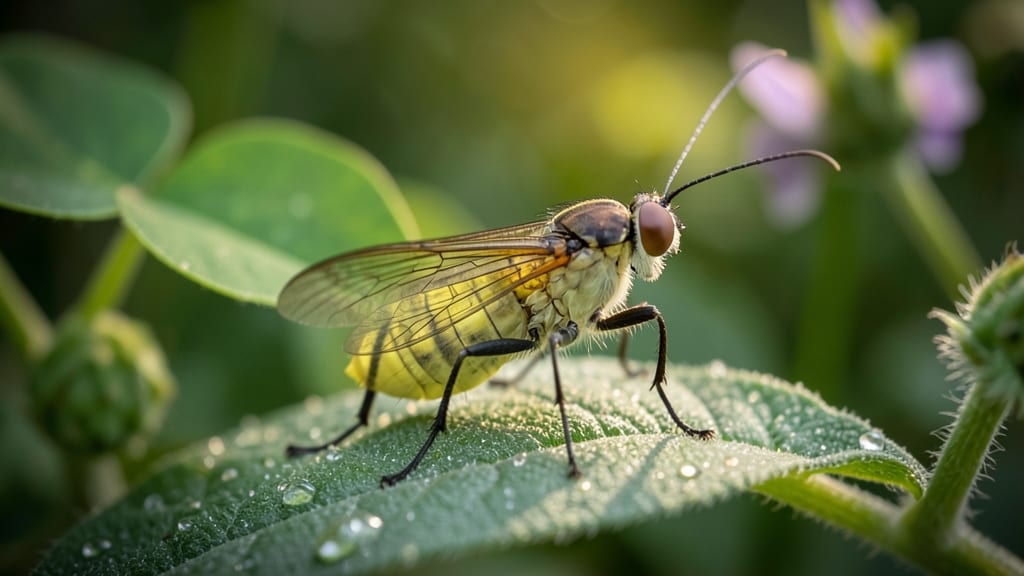
💥 Quick Answer Lightning bugs are good for the garden because their larvae act as natural pest controllers by consuming harmful insects like slugs, cutworms, and beetle grubs, while also enhancing soil health through…