
Blooming
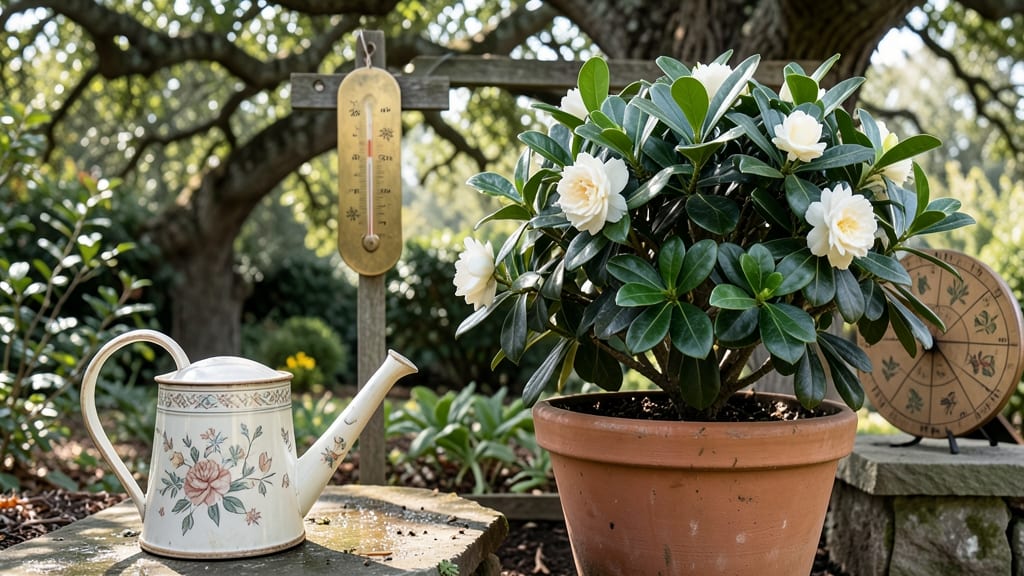
Gardenias do not bloom all year—they produce flowers seasonally, typically from late spring to summer, with peak blooming in USDA Zones 7–11 depending on variety and climate conditions. Cold weather halts flowering, requiring patience for regrowth in warmer months.
Gardenias are famously picky about timing—think of them as nature's divas who only perform during their prime season. 🌸 In cooler climates (like USDA Zones 7 and below), they might even take a full winter break, with buds forming only when temperatures consistently stay above 60°F.
Some tropical varieties in Zones 10–11 might have staggered blooms year-round, but even they need that warm, humid push to really shine. The key is understanding your local microclimate: gardenias in containers can bloom later than those planted in-ground, since pots warm up faster in spring.
What's interesting is how gardenias "save up" for their big show. They store energy in their roots during the off-season, which is why proper winter care—like mulching or moving potted plants indoors—can make next year's blooms even more abundant.
I've seen gardeners in Zone 8 trick their plants into a second flush by giving them a light pruning after the first bloom wave fades, though this works best with varieties like 'Radicans' that respond well to pruning.
💡 In This Article
- Gardenia Bloom Seasons by USDA Zone
- Tips to Extend Gardenia Blooming Periods
Gardenia bloom seasons by USDA Zone
Gardenias follow a strict seasonal rhythm tied to temperature, and USDA Zones 7–11 create dramatically different bloom windows. In Zones 7–8, these plants enter winter dormancy when temperatures drop below 50°F, with buds only forming again when daytime highs consistently reach 65°F or warmer.
This typically means a 3-4 month bloom period from late May through August, with some late bloomers extending into early September in warmer microclimates. 🌿 The contrast with tropical Zones 10–11 is striking—there, gardenias may produce flowers year-round, though they still show peak blooming during the warmest months (spring to fall) when humidity hovers around 60-70%.
The science behind this involves a process called vernalization, where gardenias need a period of cooler temperatures to trigger flowering hormones.
In Zone 9, where winters are mild but not freezing, you'll often see a 6-8 week bloom window starting in early April, while Zone 11 gardenias might have staggered blooms with 2-3 week intervals between flushes.
Humidity plays a critical role too—gardenias in dry climates (like parts of Zone 9) may produce fewer blooms unless you provide consistent moisture, while tropical varieties thrive in the high humidity of Zones 10–11.
What's fascinating is how gardenias "time" their blooms based on daylight too. These plants are short-day photoperiodic, meaning they respond to decreasing daylight in late summer by preparing flower buds for next season.
This is why you'll rarely see gardenias bloom in winter—even in warm climates, the shorter days trigger a rest period. The exception is container-grown gardenias, which can bloom 2-4 weeks earlier than in-ground plants because pots warm up faster in spring sunlight.
For gardeners in colder zones, understanding these patterns means planning ahead. In Zone 7, where winters can drop below freezing, gardenias often need winter protection like 3-4 inches of mulch or even temporary greenhouse covering.
The roots must stay above 45°F to prevent dieback, which directly impacts next year's bloom potential. In contrast, Zone 10 gardenias might only need protection from sudden cold snaps (32°F or below), allowing for more flexible care.
Here's a quick comparison of bloom windows by zone:
- Zone 7: Late May–August (3 months, with dormancy Nov–Mar)
- Zone 8: Early May–September (4.5 months, with reduced blooms Oct–Apr)
- Zone 9: April–October (6 months, with possible second flush Nov–Dec in warm microclimates)
- Zone 10–11: Year-round with peak spring-fall (8+ months of potential blooms)
The takeaway? Gardenias aren't lazy—they're following an ancient biological clock calibrated to their environment. Patience and proper zone-specific care are what unlock their full seasonal potential. 🌸