I’ve always had a green thumb—whether it was sneaking seeds from my grandfather’s garden as a kid or wrestling with tomato plants in my first apartment. Now, I’m here to share the joy of growing things, from easy-care houseplants to bold backyard experiments. My approach is simple: practical advice, real stories, and a little bit of the magic that happens when you get your hands in the dirt.
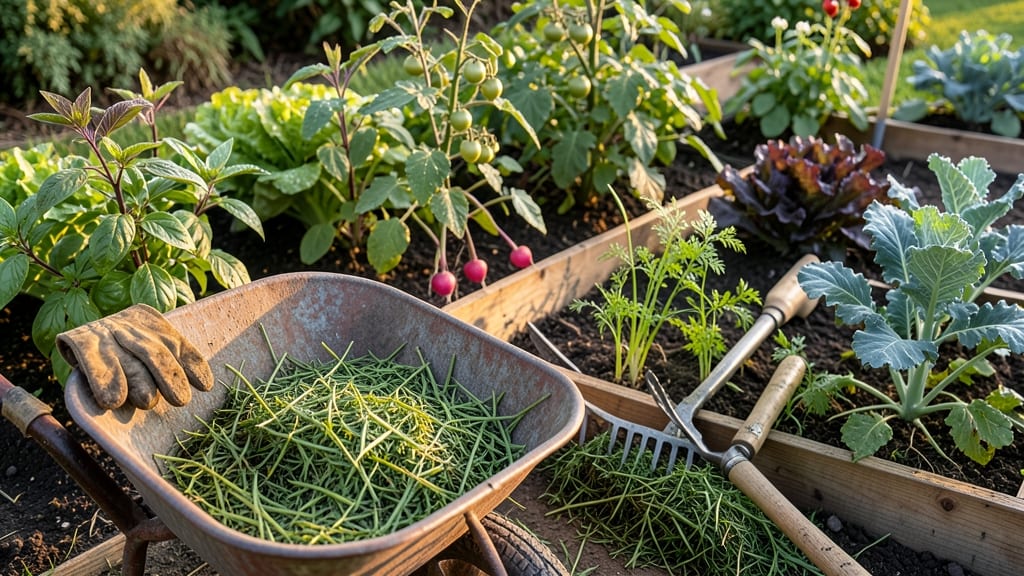
💥 Quick Answer Using grass clippings in a vegetable garden can enrich soil with nitrogen while reducing waste, but they must be aged or composted first to prevent mold, weeds, or disease. Fresh clippings should never be…
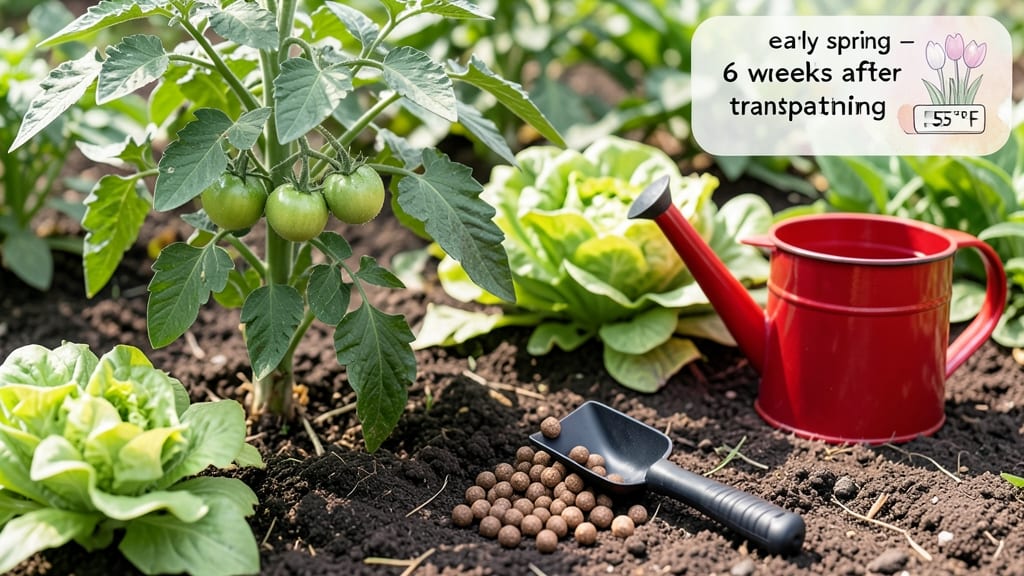
💥 Quick Answer To fertilize a vegetable garden effectively, time it by soil test results and crop needs: spread organic fertilizer in early spring before planting, add nitrogen-rich feed to leafy greens mid-season, and…
💥 Quick Answer Gardening slang describes the colorful, informal language gardeners use to talk about plants, tools, and growing challenges—think 'thug' for a tough, resilient plant or 'brown thumb' for someone who…
💥 Quick Answer The purpose of victory gardens was to produce food for wartime efforts during World War II, allowing families to grow vegetables that reduced grocery store demand, eased rationing, and conserved shipping…
💥 Quick Answer The history of Butchart Gardens traces back to 1879 when it operated as a coal mine in British Columbia before becoming Canada’s most famous botanical garden through the visionary work of Robert and…
💥 Quick Answer Coffee grounds for gardenias can boost growth by adding acidity and nutrients, but use them carefully—mix 1-2 tablespoons into soil monthly or compost them first to avoid over-acidification or mold. Never…