I’ve always had a green thumb—whether it was sneaking seeds from my grandfather’s garden as a kid or wrestling with tomato plants in my first apartment. Now, I’m here to share the joy of growing things, from easy-care houseplants to bold backyard experiments. My approach is simple: practical advice, real stories, and a little bit of the magic that happens when you get your hands in the dirt.
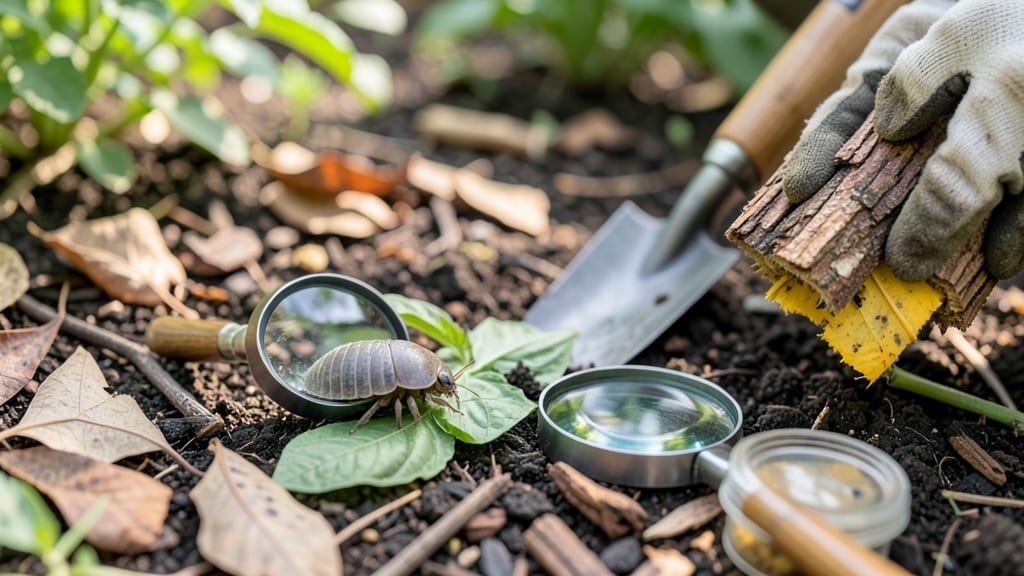
💥 Quick Answer Rollie pollies (pill bugs) are not bad for gardens—they decompose organic matter, aerate soil, and break down plant debris, acting as natural recyclers that improve soil health and reduce waste. Rollie…
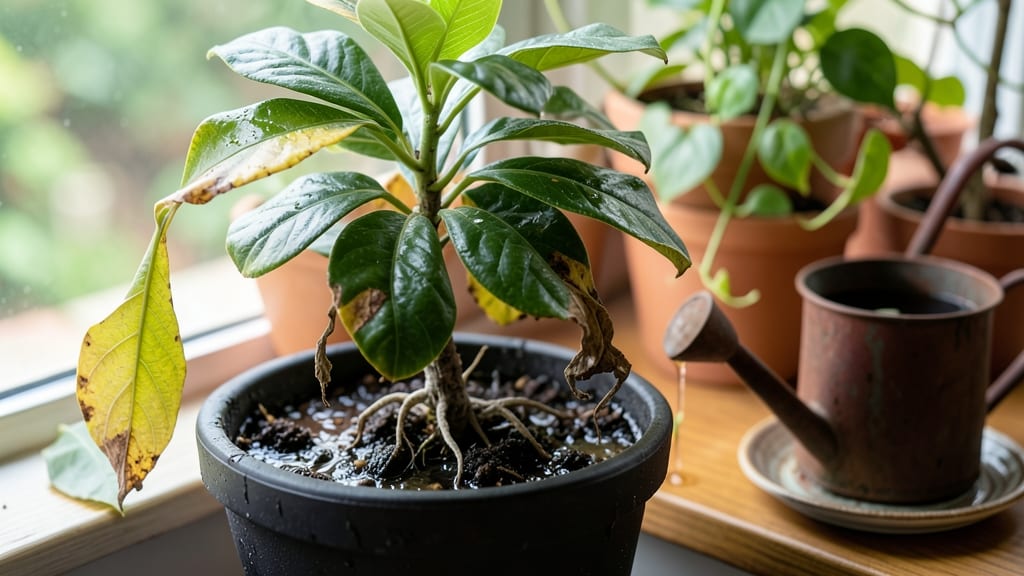
💥 Quick Answer When your gardenia develops yellow leaves from the overwatered gardenia , you're dealing with root suffocation and nutrient depletion. Immediately halt watering, repot in fast-draining soil, trim affected…
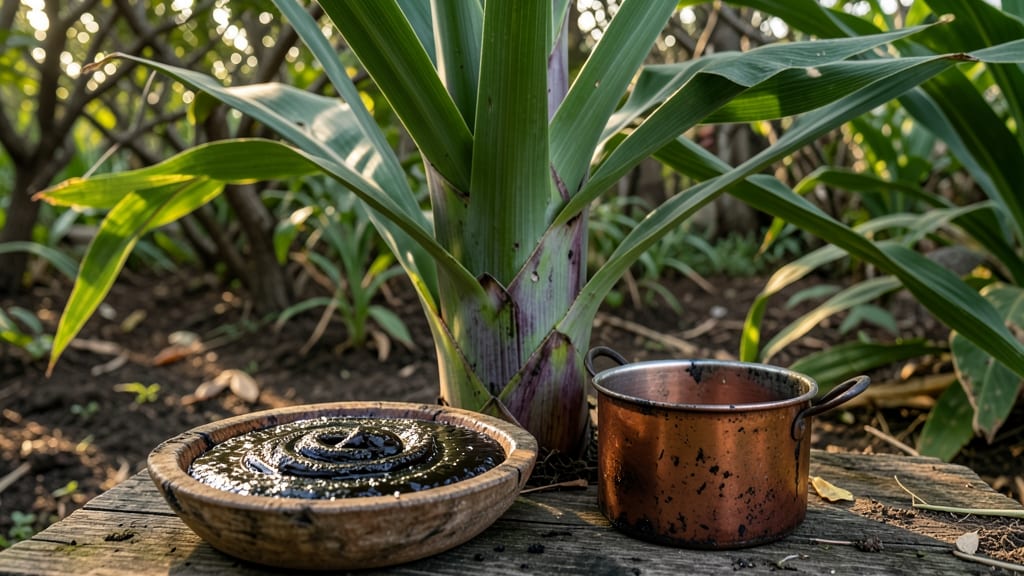
💥 Quick Answer Using molasses in the garden boosts soil fertility by feeding beneficial microbes and deterring pests like slugs and aphids, thanks to its natural sugars and microbial-boosting properties. Mix 1-2…
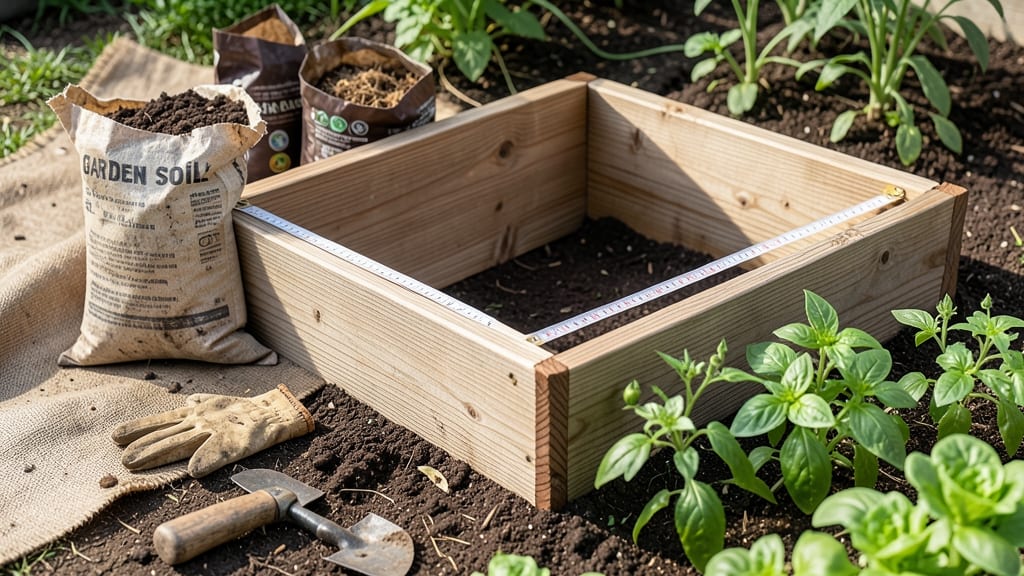
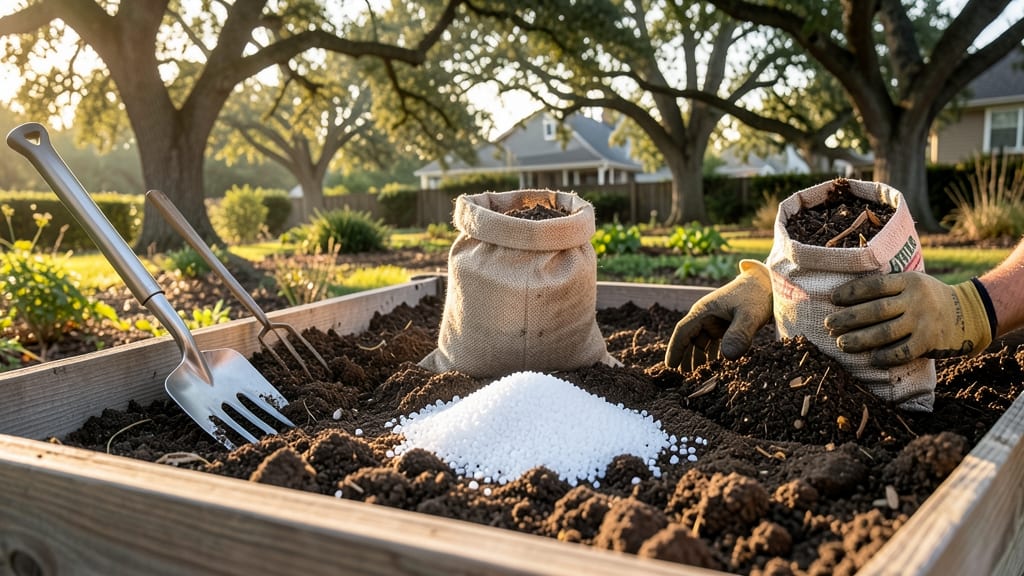
💥 Quick Answer A 4 x 8 raised garden bed needs 16 cubic feet (about 1.2 cubic yards) of soil for a 12-inch height, since it requires 1.33 cubic feet per inch of depth . Always calculate your bed's volume by multiplying…
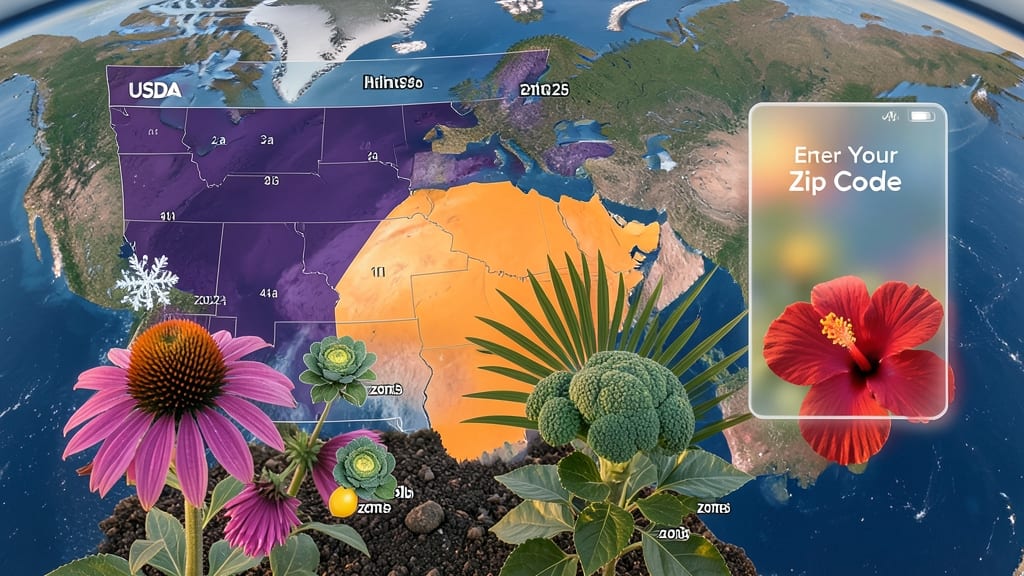
💥 Quick Answer The USDA Gardening Zones 2025 update adjusts climate-based planting guidelines to reflect rising temperatures, shifting some regions by half a zone or more—use the new map to choose plants that thrive in…
💥 Quick Answer To fix clay soil for gardening, incorporate organic matter such as compost, peat moss, or aged manure to boost drainage and aeration while breaking up compacted particles. Mix these amendments into the…