I’ve always had a green thumb—whether it was sneaking seeds from my grandfather’s garden as a kid or wrestling with tomato plants in my first apartment. Now, I’m here to share the joy of growing things, from easy-care houseplants to bold backyard experiments. My approach is simple: practical advice, real stories, and a little bit of the magic that happens when you get your hands in the dirt.
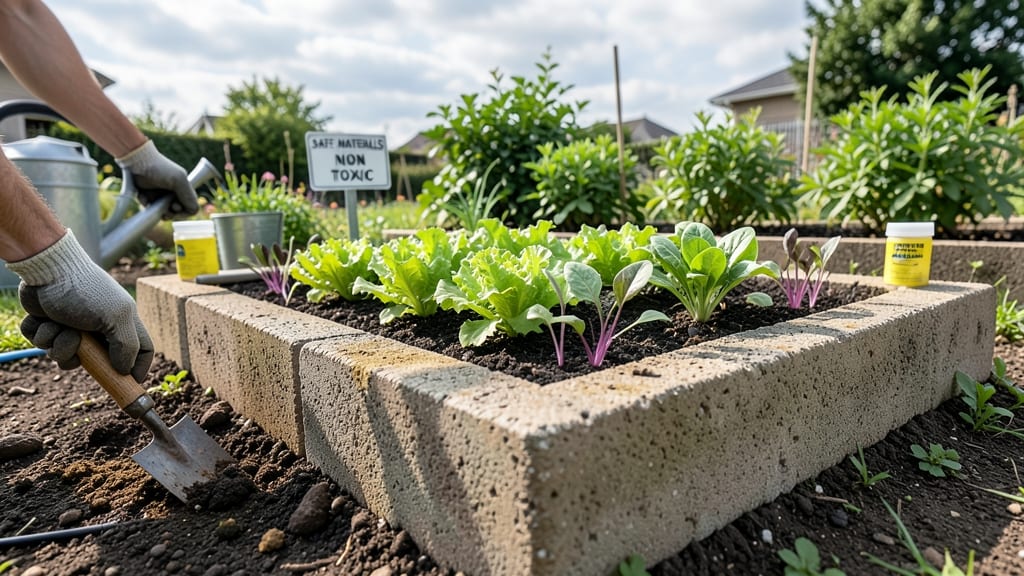
💥 Quick Answer Cinder blocks are generally safe for vegetable gardens when used as raised bed borders, but their alkaline leaching can raise soil pH over time, potentially harming acid-loving plants like tomatoes or…
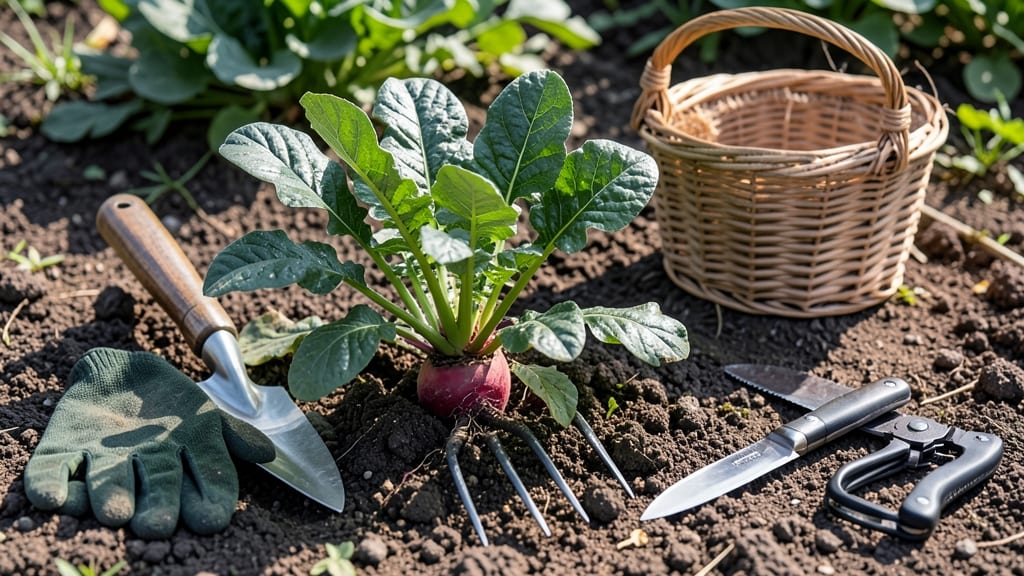
💥 Quick Answer To pull beets from the garden at peak flavor, harvest when they reach 1-3 inches in diameter with vibrant color and firm texture—typically 50-70 days after planting. Monitor soil moisture and avoid…
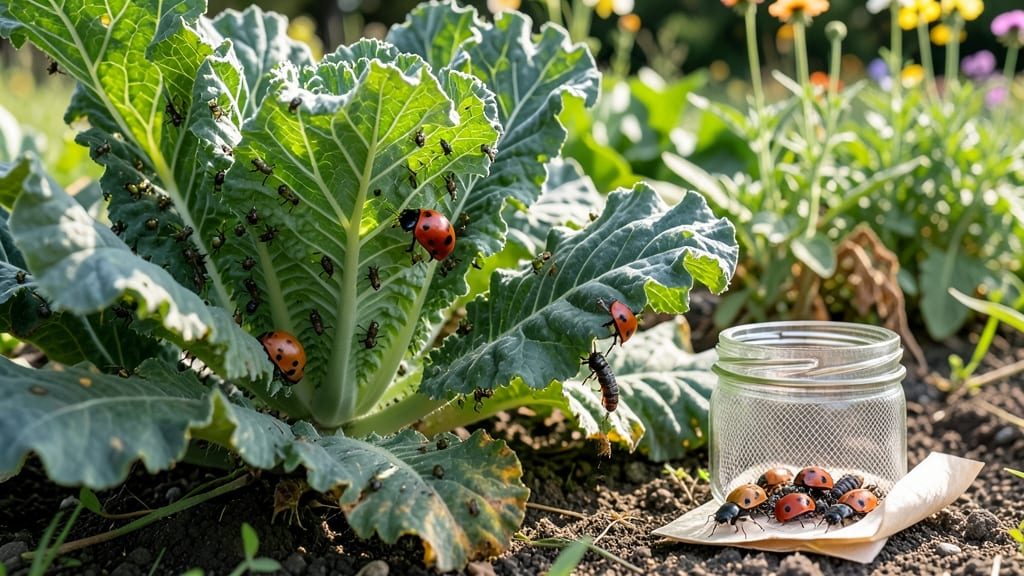
💥 Quick Answer Using ladybugs for garden pest control means harnessing their appetite for aphids, mites, and soft-bodied insects to naturally reduce pests while eliminating the need for harsh chemicals. For the best…
💥 Quick Answer Using coffee grinds in your garden boosts soil fertility by enriching organic matter, adjusting acidity levels, and deterring pests, but they must be composted first to avoid mold or over-acidifying…
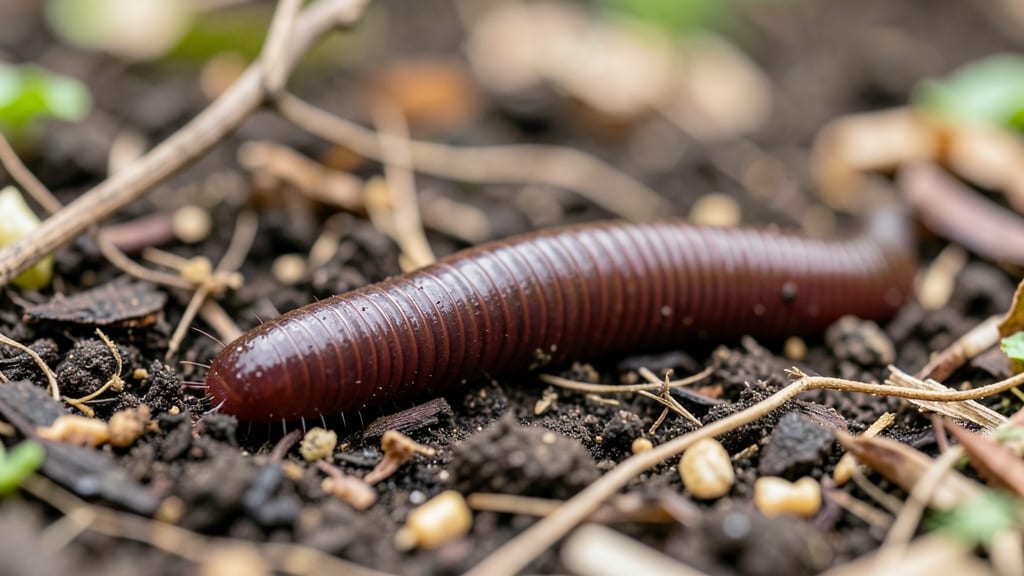
💥 Quick Answer Putting worms in your garden is a great idea because they naturally enhance soil fertility by decomposing organic matter, improving drainage, and adding nutrient-rich castings. Red wigglers work best in…
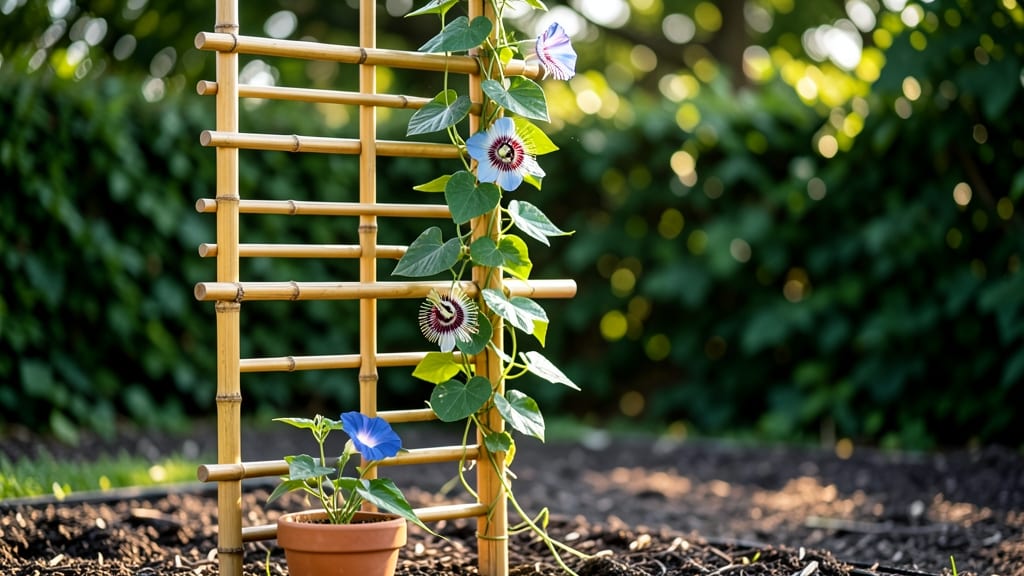
💥 Quick Answer A foldable garden trellis is a space-saving solution for vertical gardening, made from lightweight yet durable materials like aluminum, bamboo, or recycled plastic. Your plant type and climate will…
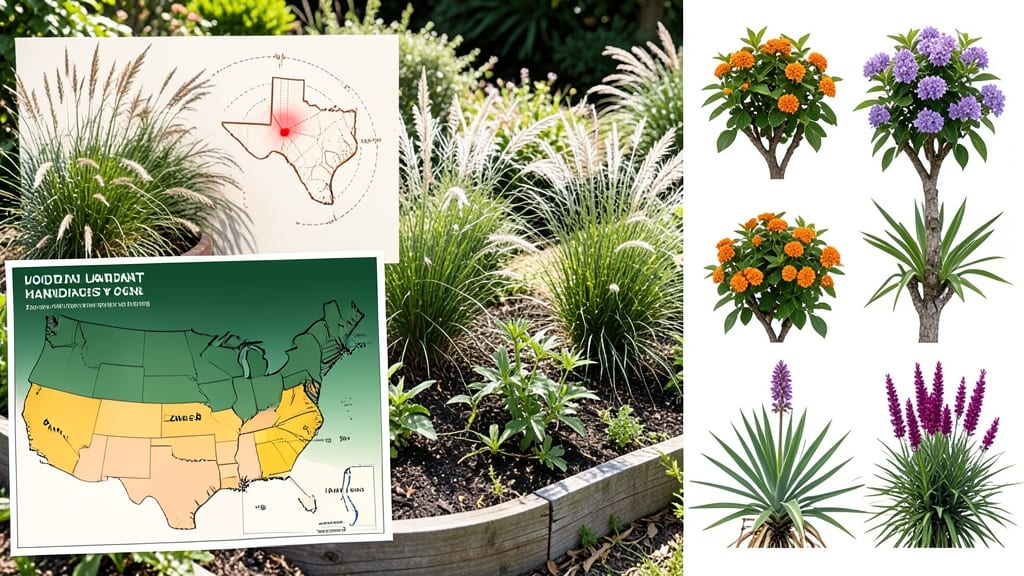
💥 Quick Answer Houston is located in USDA Hardiness Zones 9a and 9b, where temperatures rarely drop below 20°F (-6°C) and typically stay between 20°F to 35°F (-6°C to 2°C). This classification enables gardeners to grow…
💥 Quick Answer Victory gardens facts reveal that these wartime plots transformed food production during World War I and II, with over 20 million American gardens supplying 40% of the nation's fresh produce by 1943…
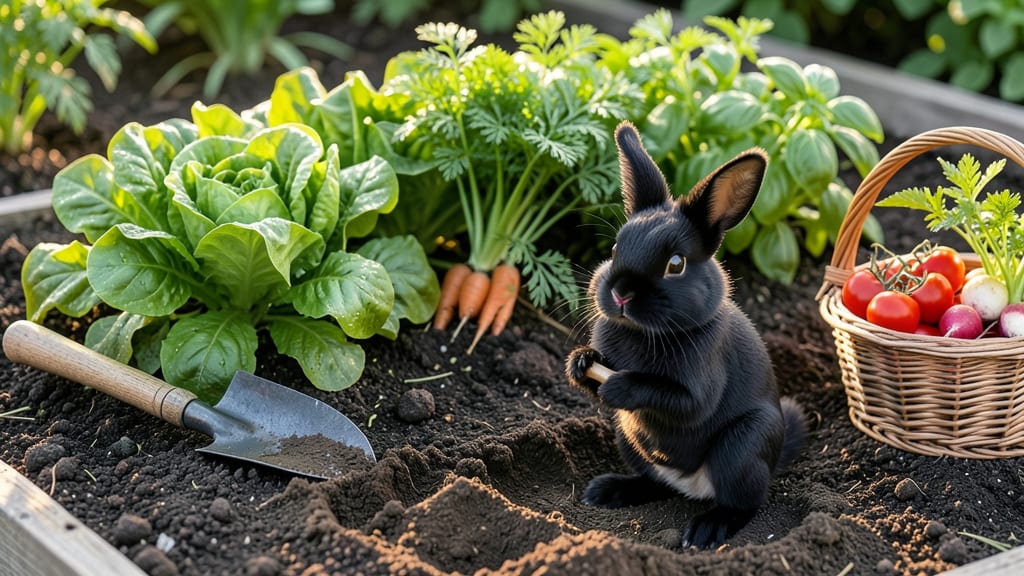
💥 Quick Answer The Black Bunny in Grow a Garden acts as a whimsical guide that demonstrates how rabbits naturally spread seeds and pollinate plants, while also teaching children hands-on lessons about organic gardening…