I’ve always had a green thumb—whether it was sneaking seeds from my grandfather’s garden as a kid or wrestling with tomato plants in my first apartment. Now, I’m here to share the joy of growing things, from easy-care houseplants to bold backyard experiments. My approach is simple: practical advice, real stories, and a little bit of the magic that happens when you get your hands in the dirt.
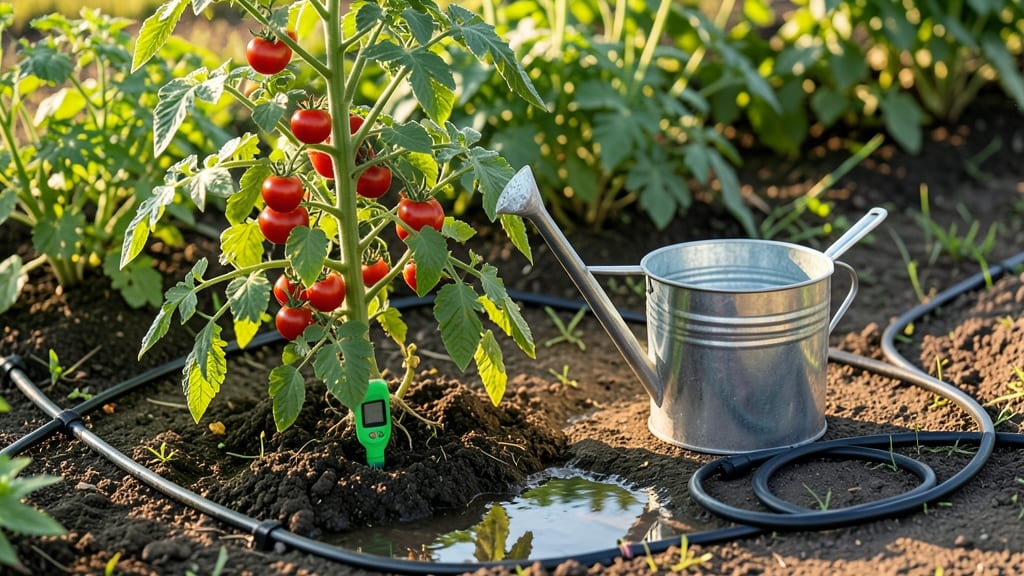
💥 Quick Answer You shouldn't water your garden every day in hot weather, as this can harm plants by drowning roots, encouraging fungal growth, and wasting water. Instead, deep water 1-2 times weekly to promote strong…
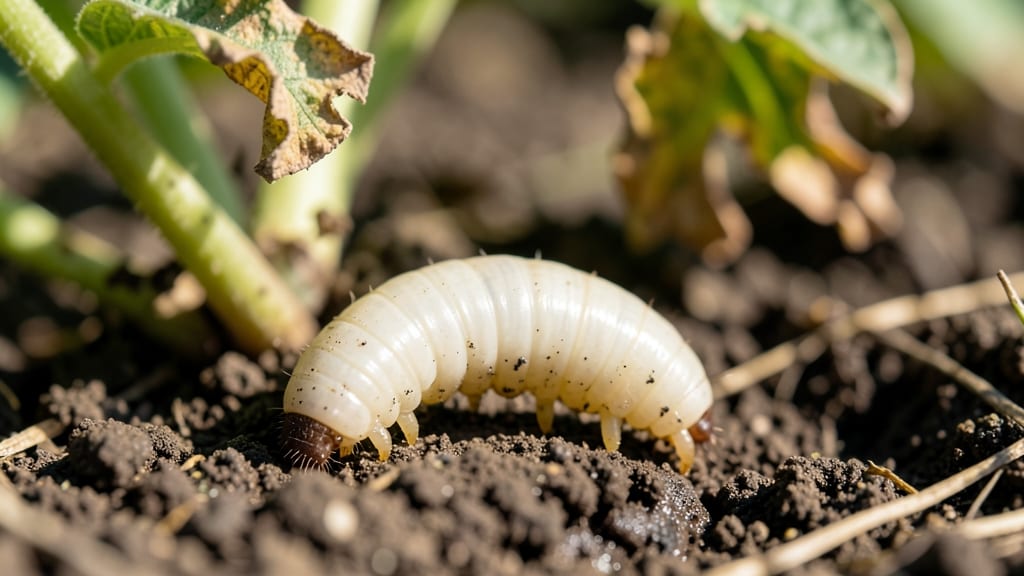
💥 Quick Answer Grub worms are absolutely bad for your garden since they devour grass roots and plant roots, creating unsightly brown patches, wilting foliage, and structurally weak lawns. Their larval stage is…
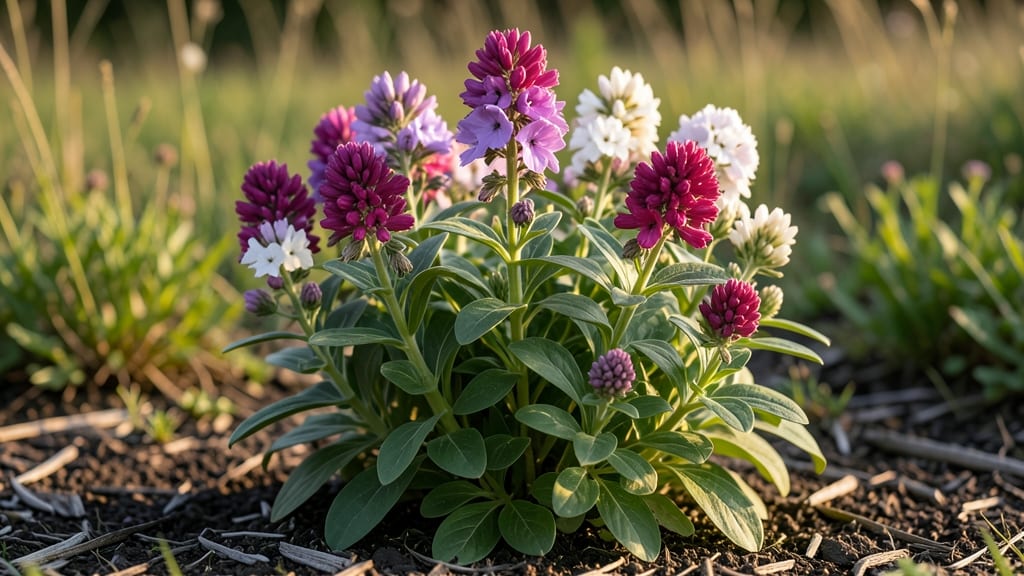
💥 Quick Answer Garden phlox do bloom all summer when given proper care, creating continuous vibrant blooms from early June through August—and sometimes into early fall in cooler regions. Regular deadheading and…
💥 Quick Answer A garden mom is a dedicated plant caregiver who combines hands-on gardening skills with a nurturing, community-focused approach, helping others grow thriving gardens through shared knowledge and…
💥 Quick Answer Understanding "till the garden meaning" for peas means harvesting when pods reach 2-3 inches in length, remain firm, and show early swelling—this ensures maximum sweetness and tender texture before seeds…
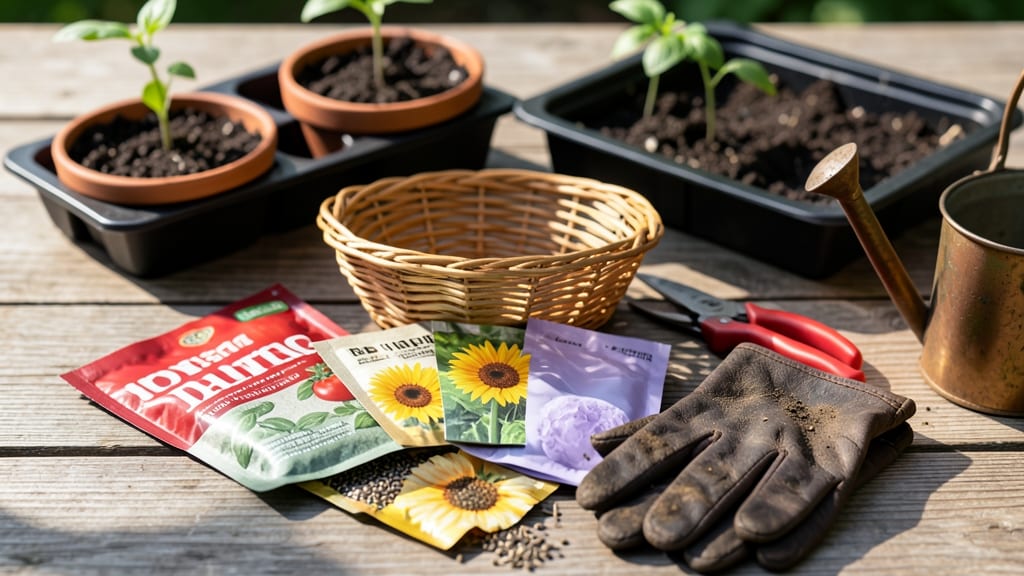
💥 Quick Answer To buy garden seeds, start with trusted online retailers like Burpee, Baker Creek Heirloom Seeds, or Etsy for rare varieties, or visit local nurseries and garden centers for fresh stock and expert advice…
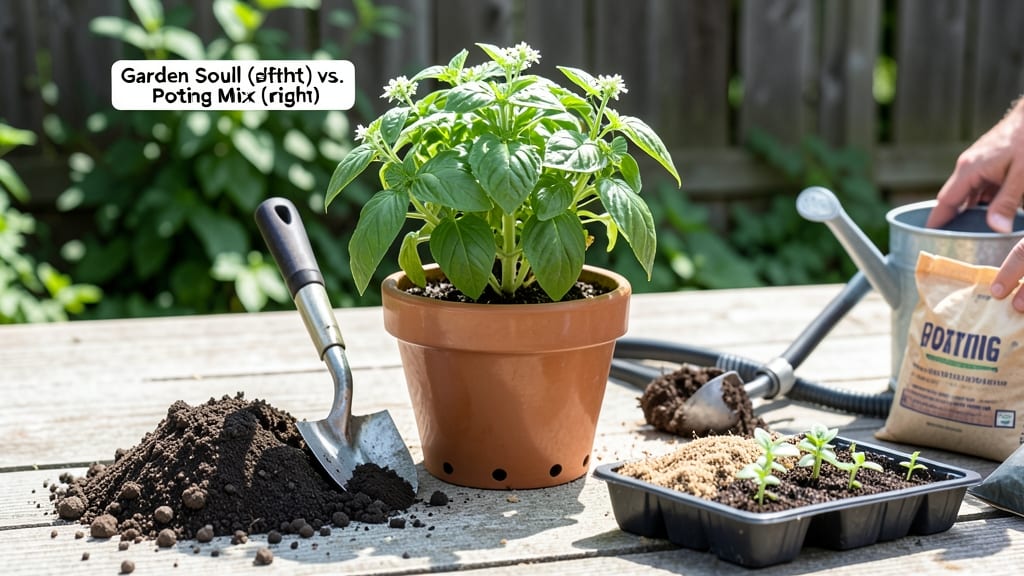
💥 Quick Answer You can use garden soil in pots, but only after amending it with organic matter and perlite to prevent compaction, improve drainage, and reduce pest risks. Heavy clay or sod-heavy soil should never be…
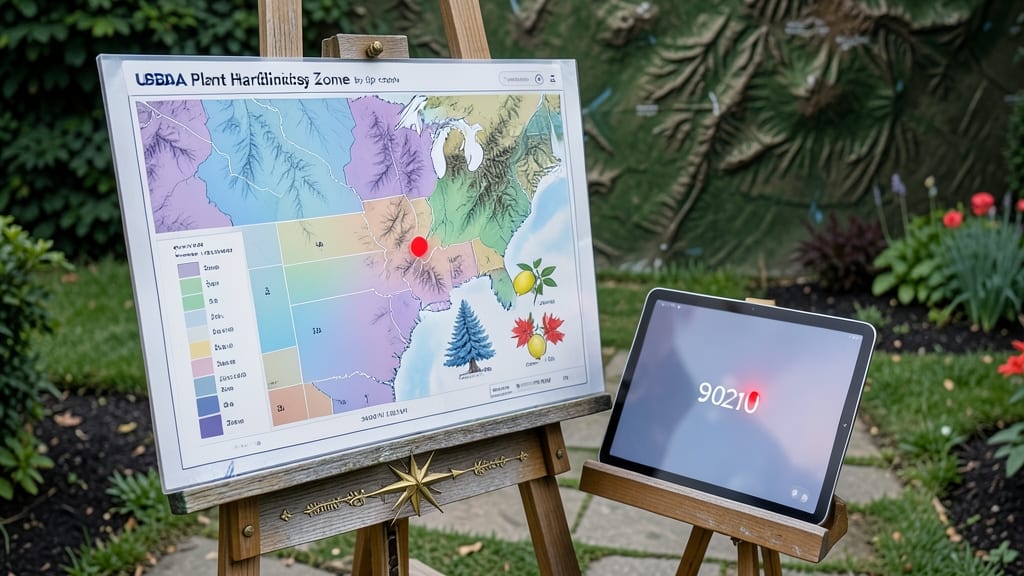
💥 Quick Answer Finding your garden zone map by zip code reveals your USDA Hardiness Zone, which determines which plants thrive in your climate. Enter your ZIP code into the [USDA Plant Hardiness Zone…
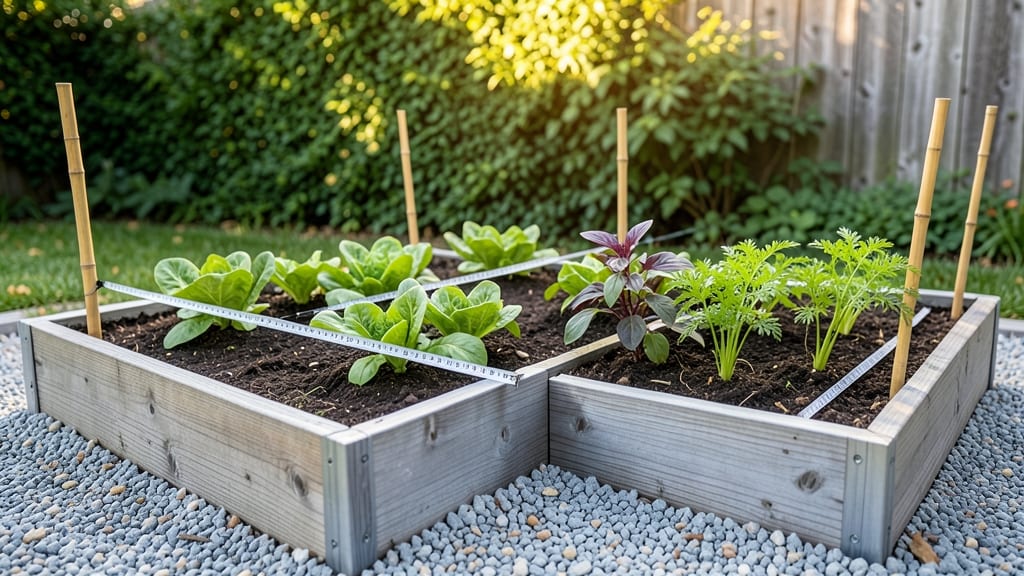
💥 Quick Answer Determining how much space between garden beds you need depends on your garden type and maintenance style, with pathways typically ranging from 12 to 36 inches . Tight spaces (12-18 inches) suit small…
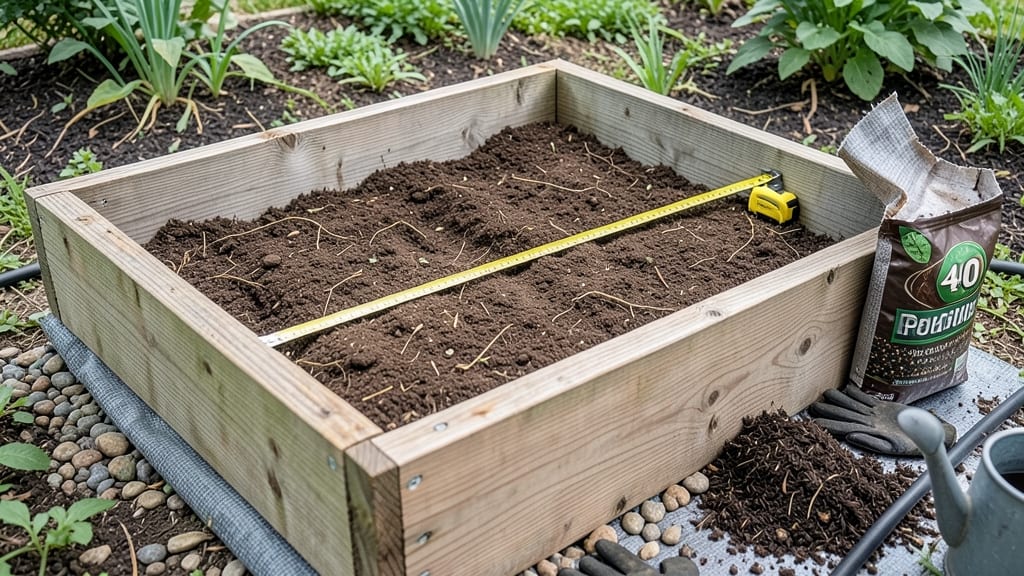
💥 Quick Answer To determine how much soil for a raised garden bed, calculate based on dimensions and plant needs: a standard 6-inch depth requires 0.75 cubic feet per square foot , while deeper beds (12+ inches) need…