
Pruning
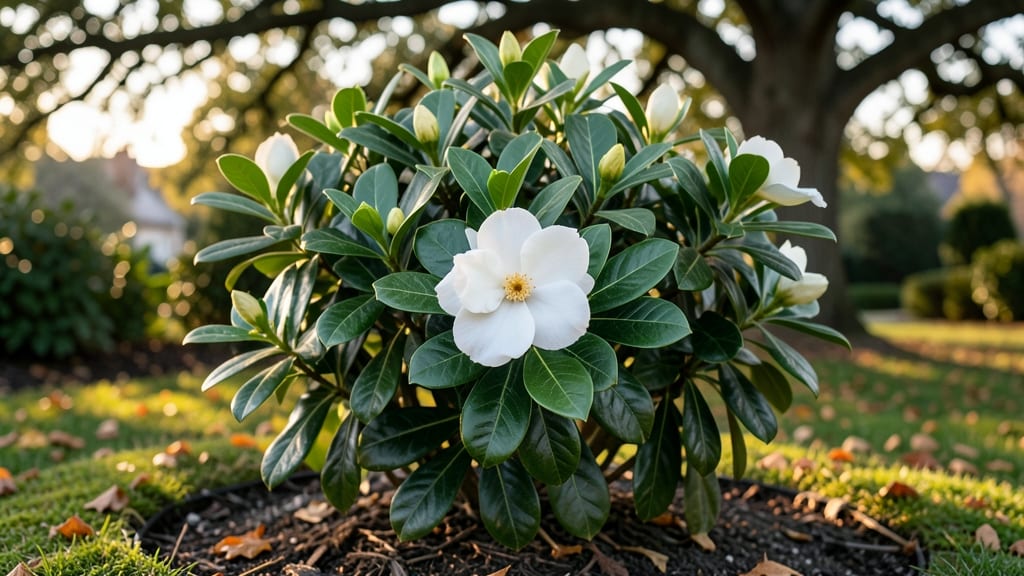
A gardenia bush height of 3 to 6 feet is what you’ll get if you let it grow wild—but that doesn’t mean you’re stuck with a towering shrub that overshadows your patio or garden beds.
Struggling to keep your gardenia bush from towering over your patio? Overgrown gardenias not only lose their charm but also produce fewer fragrant blooms—unless you master the art of strategic pruning.
The key to managing gardenia bush height lies in understanding its natural growth habits and learning when to trim. With the right techniques, you can keep your 🌸 gardenia between 2 and 4 feet tall while ensuring it stays lush and fragrant.
In this guide, I’ll walk you through the ideal height ranges, the best pruning times, and how to shape your gardenia without sacrificing those intoxicating blooms.

Ideal gardenia bush height: natural growth patterns vs. pruned compact size
Your gardenia bush can reach 3-6 feet tall in its natural state, but many gardeners prefer a more compact 2-3 foot size for patio gardens or containers. The key to controlling height lies in understanding its growth patterns and pruning cycles.
Without proper care, these fragrant shrubs can become leggy and overgrown, producing fewer blooms than their well-maintained counterparts.
Gardenia bushes follow a seasonal growth cycle that directly impacts when and how you should prune. Spring brings new growth, summer encourages blooming, and fall/winter signal dormancy periods. Each stage offers a unique opportunity to shape your plant's height while preserving its signature creamy white flowers and intoxicating fragrance.
Here's how to balance natural growth with pruned compactness while keeping your gardenia thriving:
The natural growth pattern of gardenia bushes means they typically grow 12-24 inches per year under ideal conditions. In their native tropical environments, they can reach heights of 6-10 feet, but our temperate climates naturally limit their growth.
The compact varieties like 'Kleim's Hardy' or 'Radicans' stay naturally shorter at 2-3 feet, making them perfect for smaller spaces.
Timing your pruning is crucial for maintaining height without sacrificing blooms. The best time to prune is immediately after your gardenia finishes flowering in late summer or early fall.
This allows the plant to establish new growth before winter dormancy. Avoid heavy pruning in spring as this can remove potential bloom sites formed during the previous season.
For container gardenias, height control becomes even more important. These plants naturally grow more slowly due to root restriction, but they still need regular pruning to maintain their 2-3 foot height.
Use dwarf varieties specifically bred for containers, and prune more frequently—every 4-6 weeks during the growing season—to encourage dense, bushy growth rather than vertical stretching.
One common mistake is over-pruning to achieve instant height reduction. This stresses the plant and can lead to fewer blooms the following season. Instead, aim for gradual height reduction by removing only the longest stems each year.
Focus on creating an open center to improve air circulation and reduce disease risk.
Your gardenia's height potential also depends on its growing conditions. Plants in full sun with well-draining, acidic soil (pH 5.0-6.5) will grow taller and more vigorously. If you notice your gardenia stretching toward the light, it's likely not getting enough bright indirect light.
Move it to a partial shade location with morning sun and afternoon shade to encourage more compact growth.
Remember that pruning stimulates new growth, so each cut you make will produce fresh shoots. By strategically pruning just above leaf nodes, you encourage lateral branching that creates a fuller, more compact plant.
This technique works especially well for standard-sized gardenias that you want to keep between 3-4 feet tall.
With proper height management, your gardenia will reward you with abundant blooms and a perfectly proportioned shrub that fits your garden design. The secret lies in consistent, seasonal pruning
Step-by-step pruning guide to control gardenia bush height without killing blooms
Pruning your gardenia bush doesn’t have to be intimidating—it’s the secret to keeping it compact, fragrant, and full of blooms. The key is timing and technique.
Gardenias naturally grow 3-6 feet tall, but with strategic cuts, you can maintain a 2-3 foot height without sacrificing those iconic white flowers.
The best time to prune is just after the blooming season ends, typically in late summer or early fall, when new growth has started but before winter dormancy.
Before you grab your shears, gather the right tools. You’ll need sharp, clean pruning shears (sterilized with rubbing alcohol to prevent disease), hand pruners for smaller cuts, and gloves to protect your hands from the plant’s sap, which can irritate skin.
Avoid dull tools—they crush stems and invite infections. Once you’re ready, focus on selective pruning to shape the bush while encouraging dense, lateral growth for more blooms.
✂️ Step-by-Step Pruning Guide for Gardenia Height Control
Remove Dead or Damaged Branches
Start by inspecting your gardenia for dead, diseased, or crossing branches. Cut these back to the main stem or nearest healthy bud using clean shears. This improves airflow and prevents pests.
Trim Overgrown Leggy Stems
Identify tall, leggy stems that detract from the bushy shape. Cut these back by one-third of their length, always making cuts just above a leaf node or outward-facing bud to encourage branching.
Shape the Bush for Density
To maintain a compact shape, focus on inner branches that may be sparse. Trim back overcrowded areas to allow light penetration, which stimulates lateral growth and more blooms.
Encourage New Growth with Light Pruning
For a fuller appearance, make small cuts just above sets of leaves to promote side shoots. Avoid heavy pruning—gardenia bushes respond best to gradual shaping over time.
Clean Up and Fertilize
Remove all pruned branches and sterilize your tools again. After pruning, apply a balanced, acidic fertilizer (like 10-10-10) to support new growth and blooming.
Timing your pruning is almost as important as the cuts themselves. If you prune in spring, you risk removing next year’s flower buds, which form on old wood. Instead, wait until late summer or early fall—after the blooms have faded—to shape your gardenia without compromising its fragrance.
For container gardenias, follow the same steps but adjust for their smaller root systems by pruning slightly less aggressively.
After pruning, keep your gardenia healthy with consistent watering (deep soaks weekly) and partial shade to protect new growth from harsh afternoon sun. Within a few weeks, you’ll see lush, compact growth and even more blooms next season.
The key is patience—gardenia bushes reward gentle, season-appropriate pruning with years of fragrant beauty.
🌸