I’ve always had a green thumb—whether it was sneaking seeds from my grandfather’s garden as a kid or wrestling with tomato plants in my first apartment. Now, I’m here to share the joy of growing things, from easy-care houseplants to bold backyard experiments. My approach is simple: practical advice, real stories, and a little bit of the magic that happens when you get your hands in the dirt.
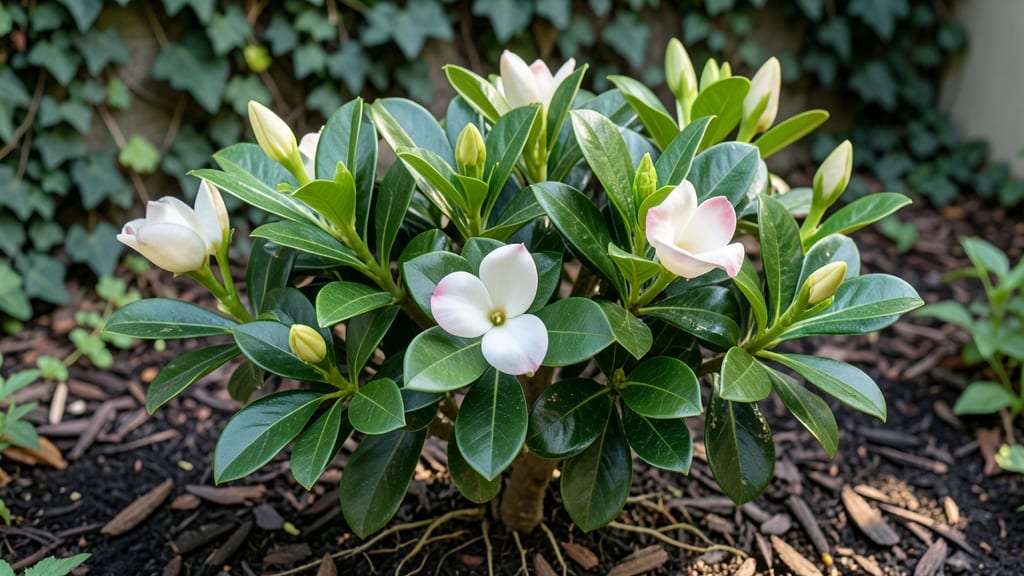
The Jubilation Gardenia boasts one of the fastest growth rates among gardenias, reaching 3 feet in just 2-3 years with the right care—but many gardeners miss the mark by overwatering or skipping pruning. If you're…
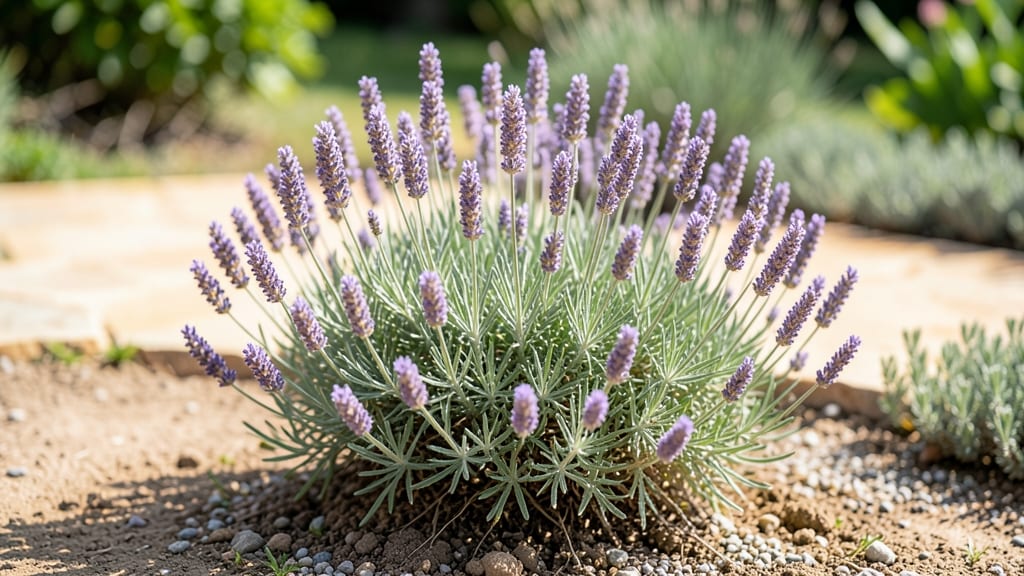
💥 Quick Answer Using lavender in a vegetable garden naturally deters pests like aphids and cabbage moths while luring beneficial pollinators, all while improving soil structure through its deep root system. Opt for…
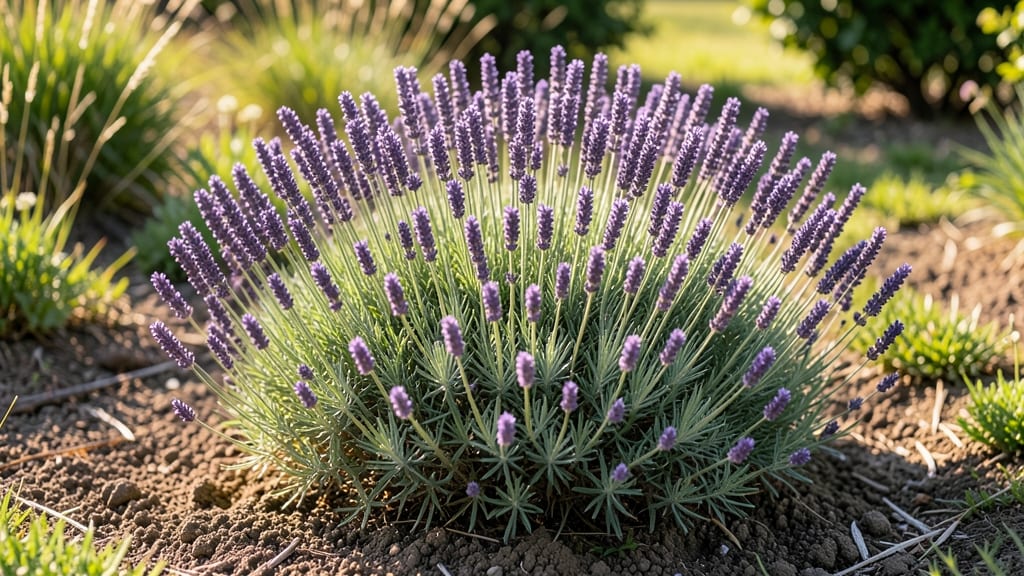
💥 Quick Answer Lavender plants benefit gardens by repelling pests like mosquitoes and moths, attracting pollinators such as bees, improving soil health with natural antimicrobial properties, and enhancing fragrance…
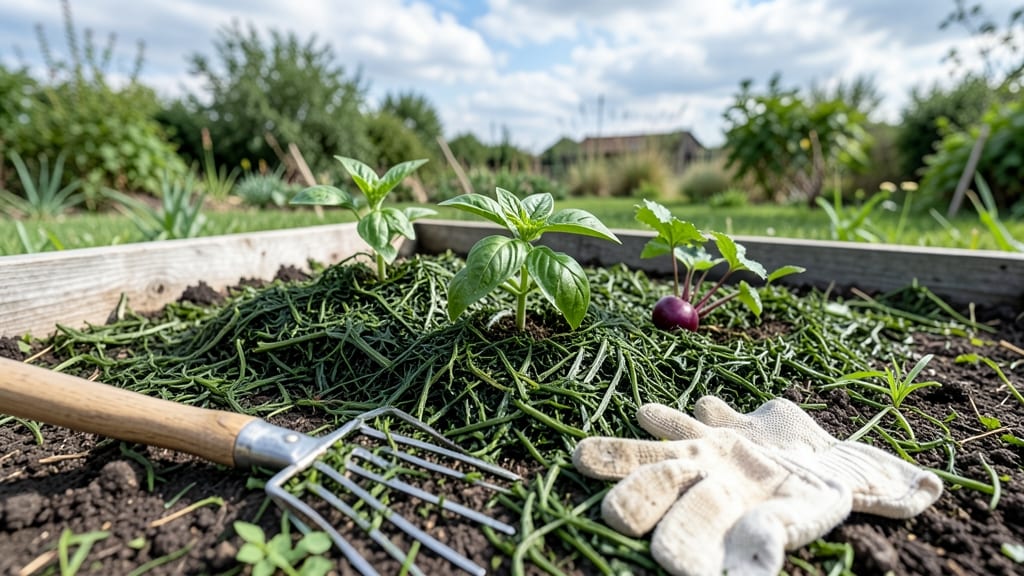
💥 Quick Answer Using lawn clippings in your garden boosts soil fertility by returning nitrogen-rich nutrients, suppresses weeds, and retains moisture—just avoid overapplying or using clippings treated with herbicides…
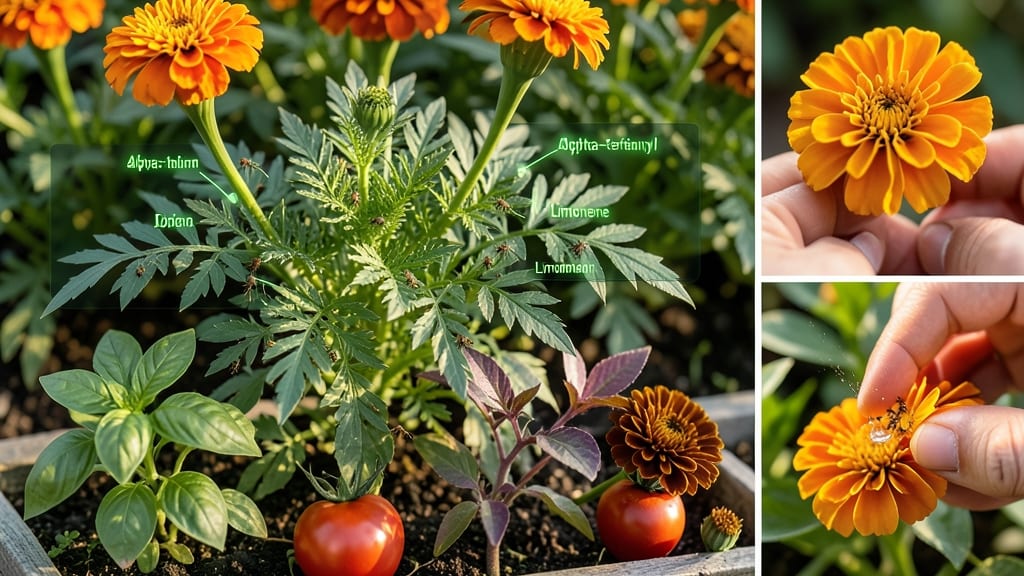
💥 Quick Answer Using marigolds for garden pest control naturally deters aphids, whiteflies, nematodes, and other common pests through their pyrethrin compounds. Strategic placement near vulnerable plants disrupts pest…
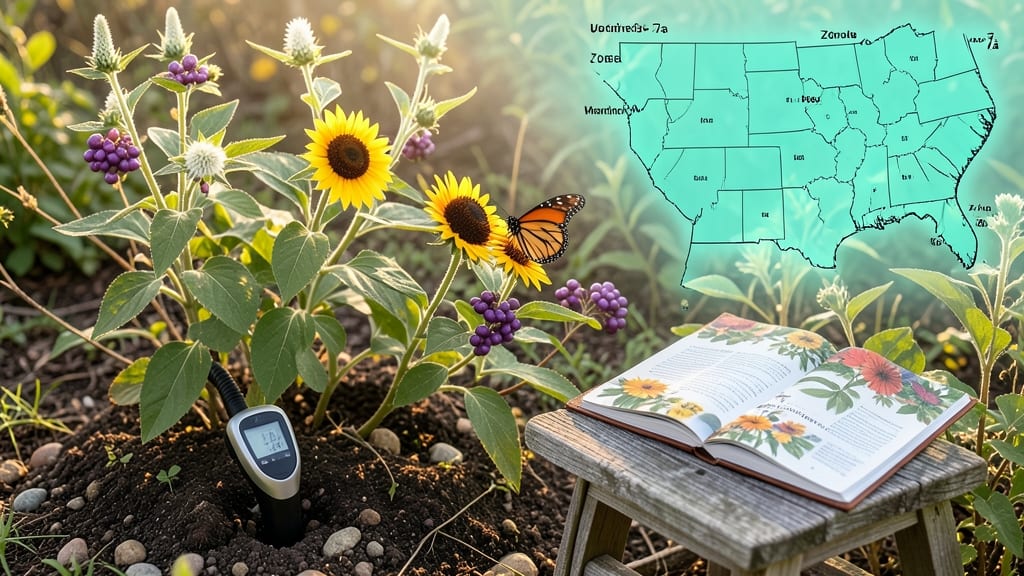
💥 Quick Answer Maryland's gardening zones range from USDA Zone 6b to 8a, with most areas falling in Zones 7a and 7b. These zones determine which plants thrive based on winter lows, but local conditions like city heat or…
💥 Quick Answer Free online master gardener courses provide certification through accredited programs like the National Gardening Association’s self-paced modules, university extension partnerships, and community college…