I’ve always had a green thumb—whether it was sneaking seeds from my grandfather’s garden as a kid or wrestling with tomato plants in my first apartment. Now, I’m here to share the joy of growing things, from easy-care houseplants to bold backyard experiments. My approach is simple: practical advice, real stories, and a little bit of the magic that happens when you get your hands in the dirt.
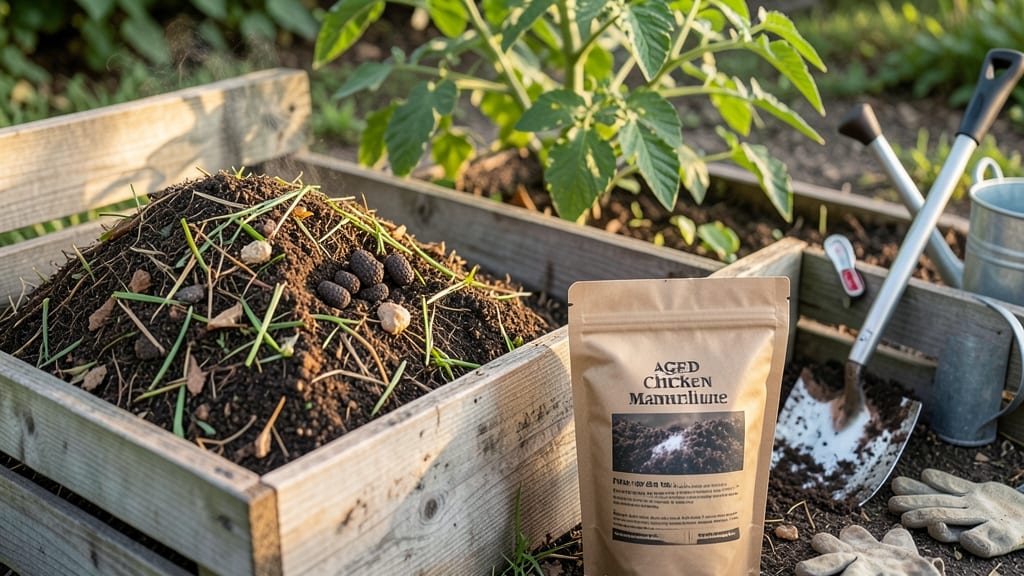
💥 Quick Answer Chicken poop is good for gardens when properly composted, providing valuable nitrogen and organic matter, but raw droppings may harm plants by burning roots or spreading diseases like salmonella. Always…
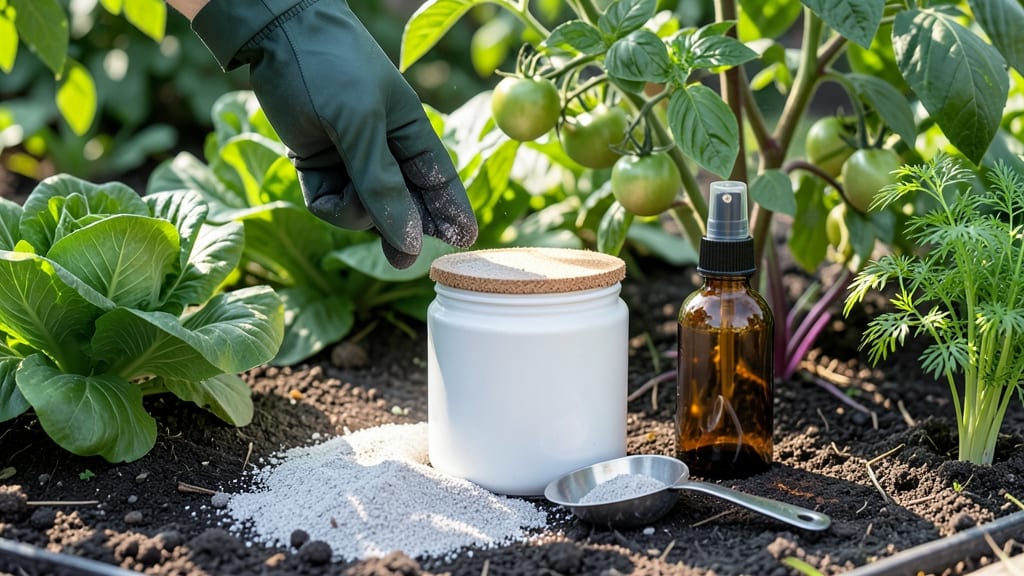
💥 Quick Answer Diatomaceous earth is safe for vegetable gardens when used correctly: it kills pests like slugs and aphids without harming plants, but must be applied as a dry powder and avoided during pollination to…
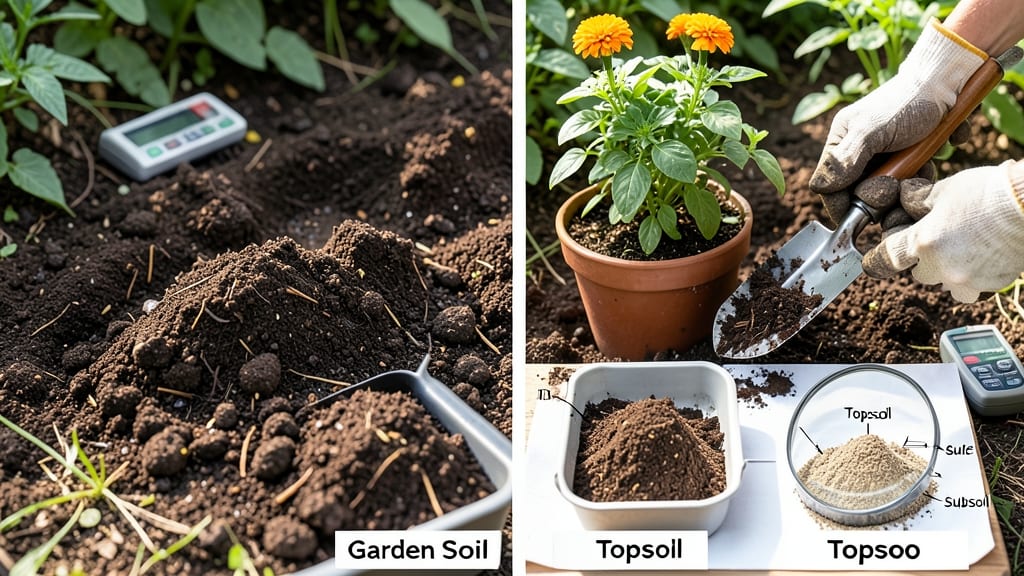
💥 Quick Answer Garden soil is not the same as topsoil: topsoil is the natural, nutrient-rich upper layer (0-6 inches deep) found in nature, while garden soil is a custom blend that mixes topsoil with compost, sand, or…
💥 Quick Answer Gardening counts as good exercise because it torches 200–400 calories per hour , builds muscle strength through tasks like digging and lifting, and improves flexibility while keeping your heart rate…
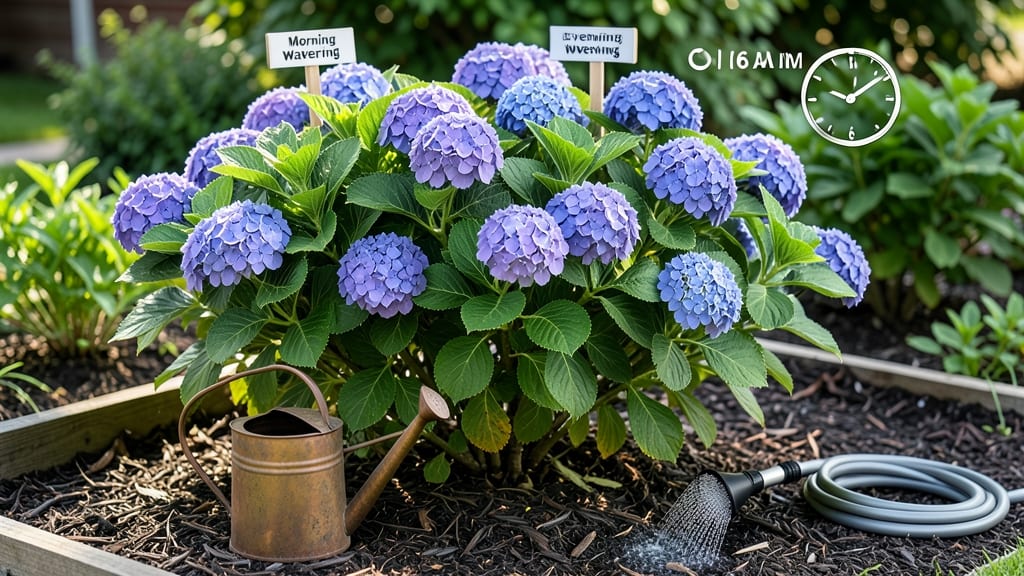
💥 Quick Answer It is better to water gardens in the morning than in the evening for plant health because it reduces evaporation, prevents fungal growth, and allows roots to absorb moisture efficiently before the heat of…
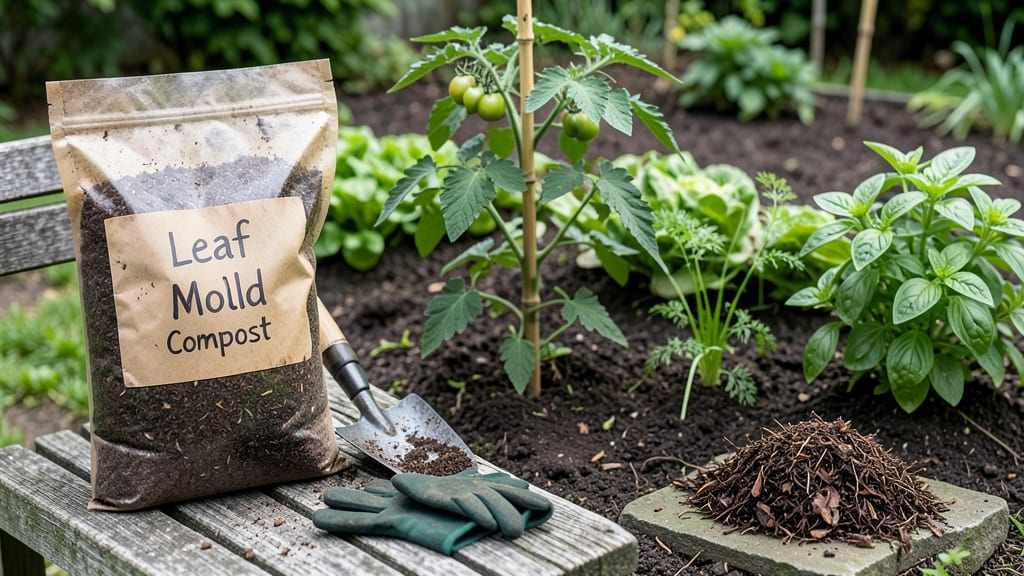
💥 Quick Answer Leaf compost is good for vegetable gardens when properly aged, as it improves soil structure and provides slow-release nutrients, though it may initially lower nitrogen levels and require balancing with…
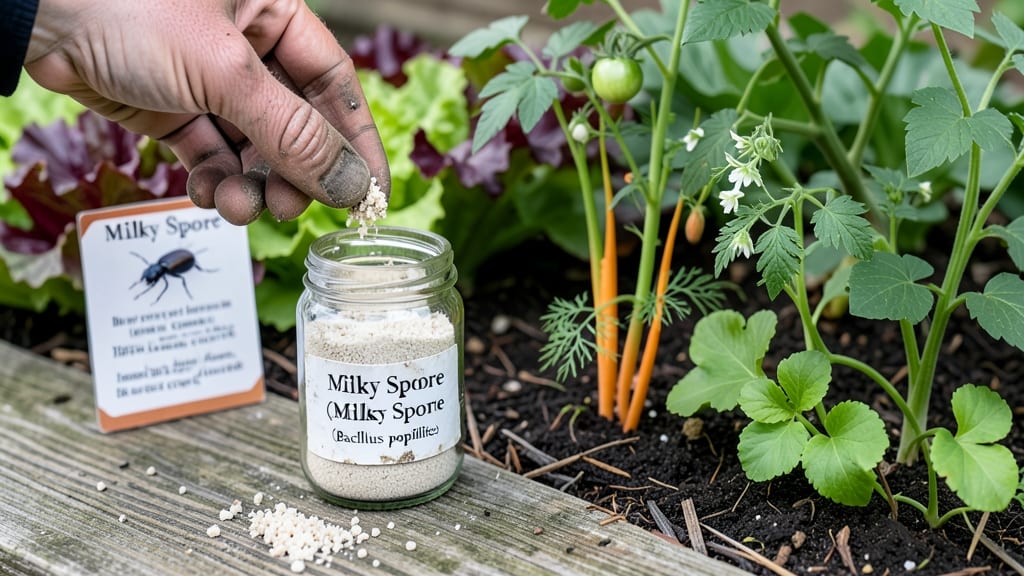
💥 Quick Answer Milky spore ( Bacillus popilliae ) is generally safe for vegetable gardens because it specifically targets Japanese beetle grubs while leaving plants, beneficial soil microbes, and other organisms…
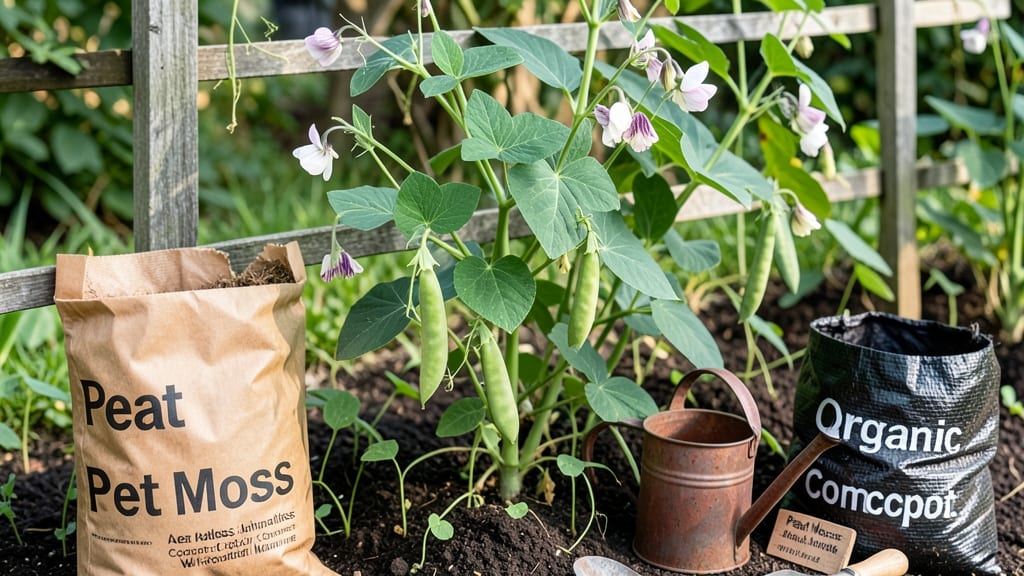
💥 Quick Answer Peat moss is bad for vegetable gardens because it depletes carbon-rich wetlands, harms ecosystems, and releases stored CO₂ when harvested. Sustainable alternatives like coconut coir or compost improve…
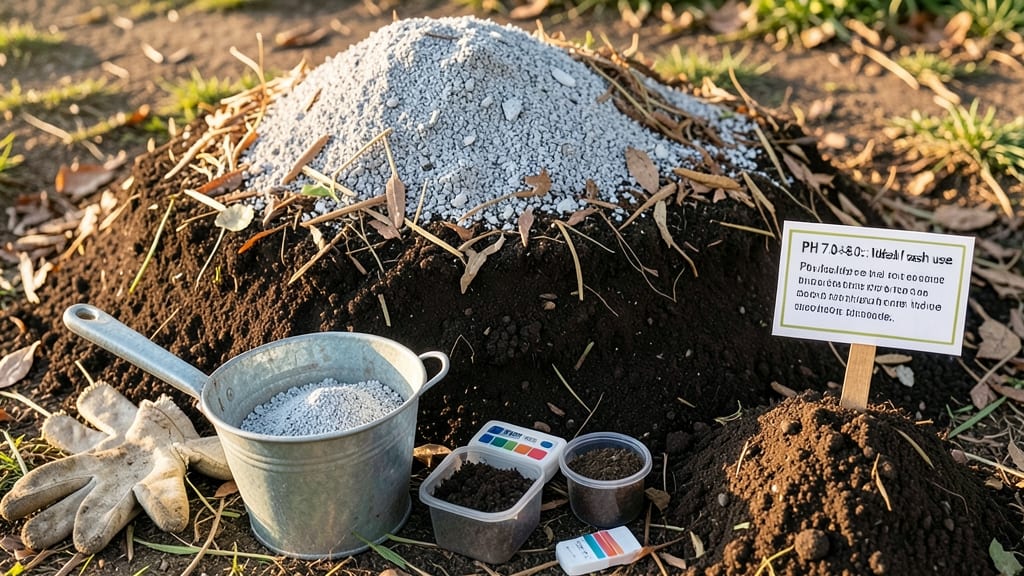
💥 Quick Answer Wood ash is good for garden soil as a natural pH booster, especially for acidic soils, while also providing potassium and trace minerals. However, overuse can disrupt nutrient balance or harm plants…
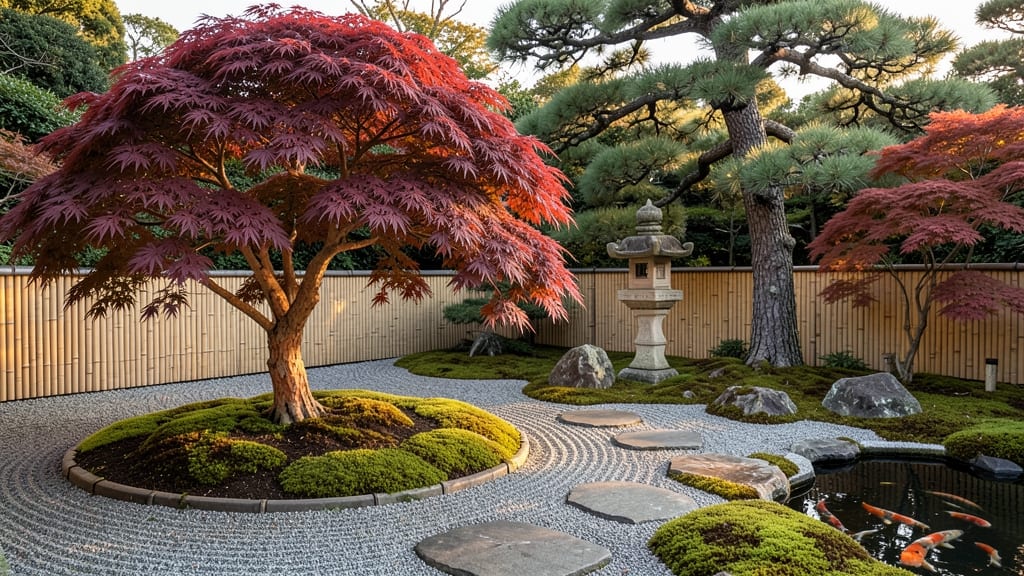
💥 Quick Answer The James Irvine Japanese Garden exemplifies traditional Japanese design by integrating symbolic stone arrangements, flowing koi ponds, and seasonal plantings like maples and azaleas to create a tranquil…