I’ve always had a green thumb—whether it was sneaking seeds from my grandfather’s garden as a kid or wrestling with tomato plants in my first apartment. Now, I’m here to share the joy of growing things, from easy-care houseplants to bold backyard experiments. My approach is simple: practical advice, real stories, and a little bit of the magic that happens when you get your hands in the dirt.
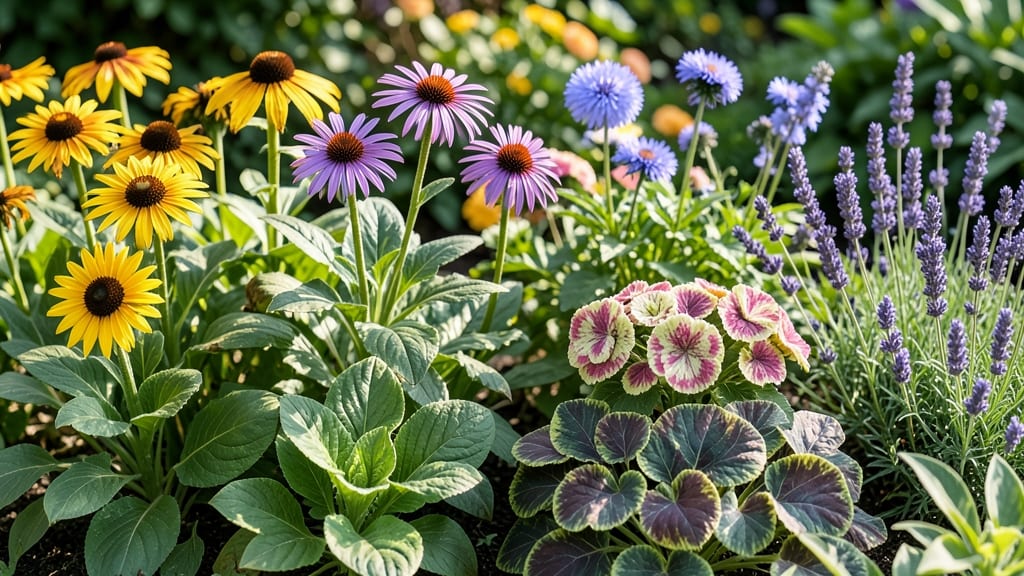
💥 Quick Answer The Toronto Botanical Gardens showcases over 1,500 plant species across 22 acres, featuring rare collections like the Japanese Garden and Rock Garden, along with seasonal displays and expert horticultural…
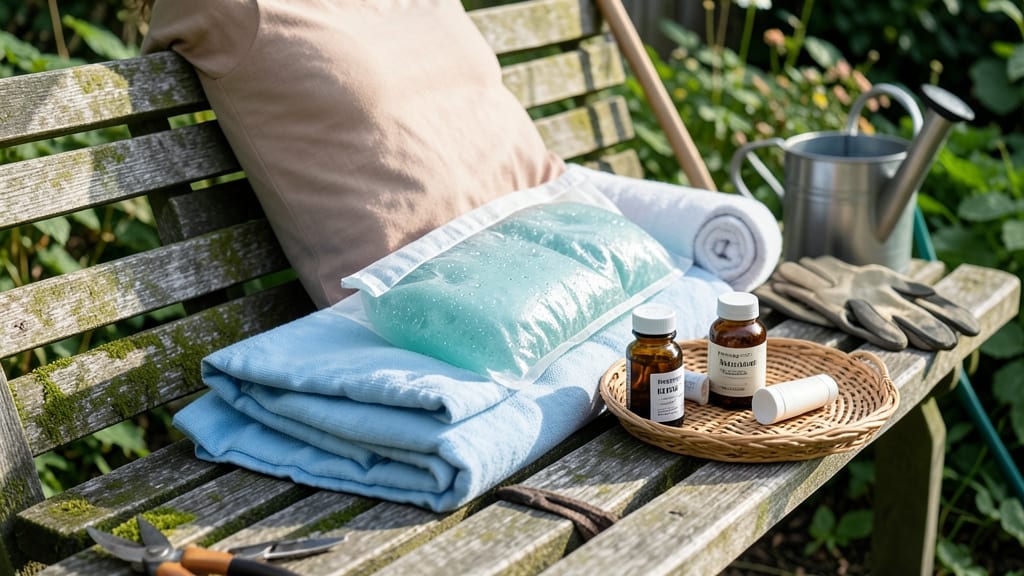
💥 Quick Answer Treating lower back pain after gardening requires gentle movement like the cat-cow stretch, followed by ice or heat therapy, and avoiding prolonged sitting or heavy lifting. Restorative yoga poses and…
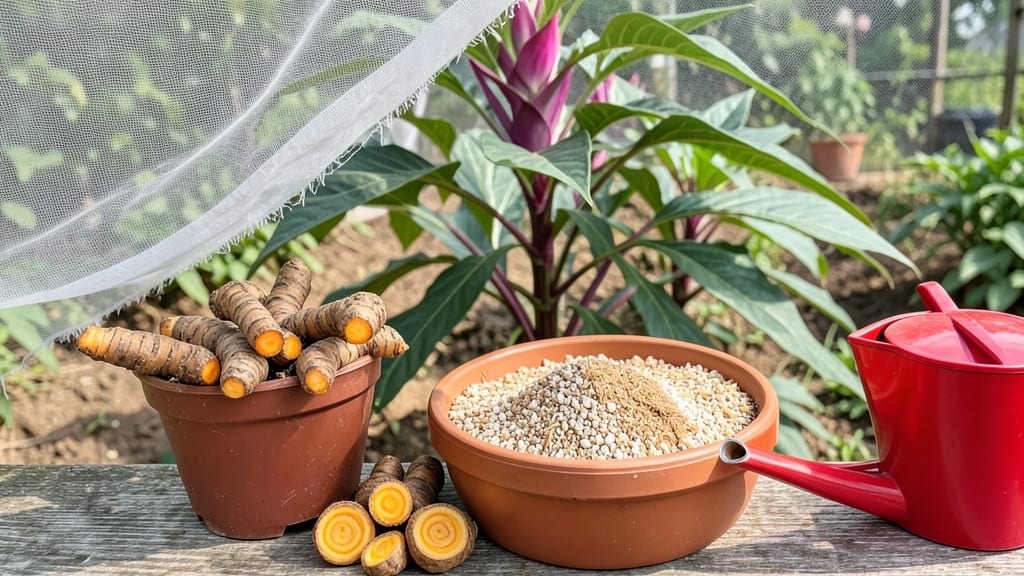
💥 Quick Answer Using turmeric for gardening boosts plant health by acting as a natural fungicide, growth stimulant, and soil conditioner that repels pests like aphids and nematodes while strengthening roots and…
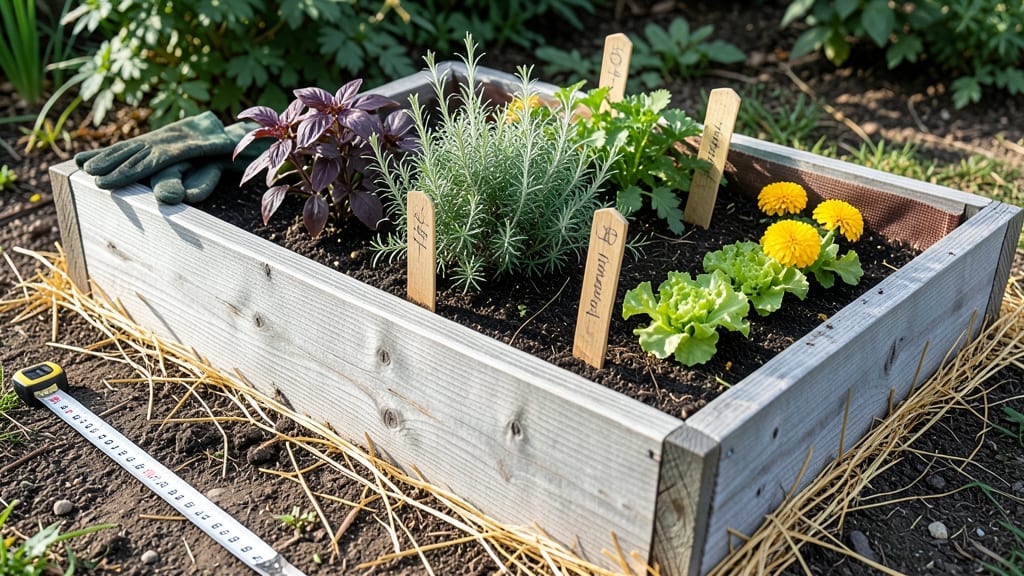
💥 Quick Answer Typical raised garden bed sizes range between 3 to 4 feet wide, 8 to 12 feet long, and 6 to 12 inches deep to maximize planting space while ensuring easy access and proper drainage for optimal plant…
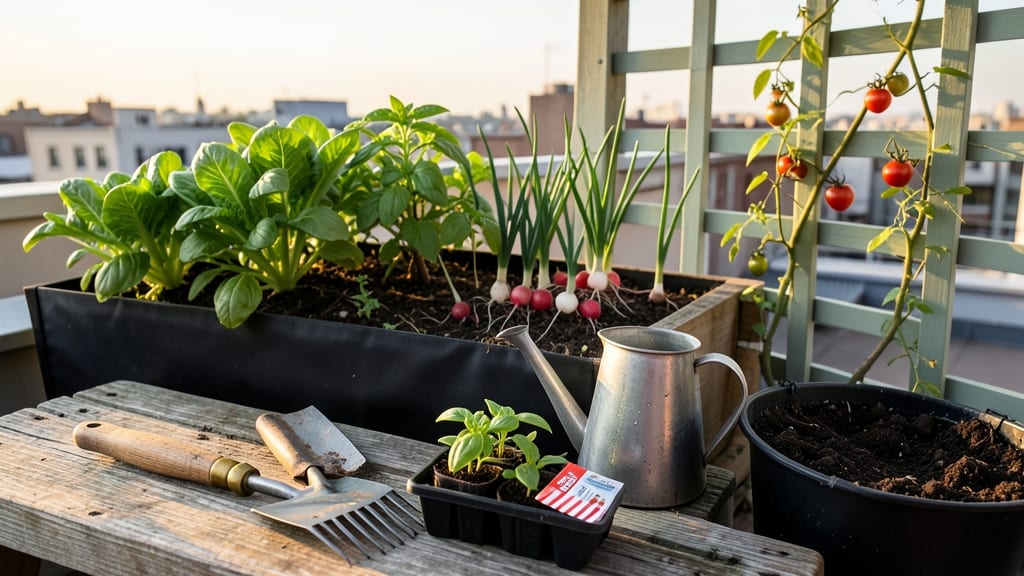
💥 Quick Answer Fast-growing urban garden seeds are perfect for small spaces, delivering quick harvests like bush beans (45-60 days), radishes (25-30 days), and lettuce (30-50 days) with minimal sunlight and container…
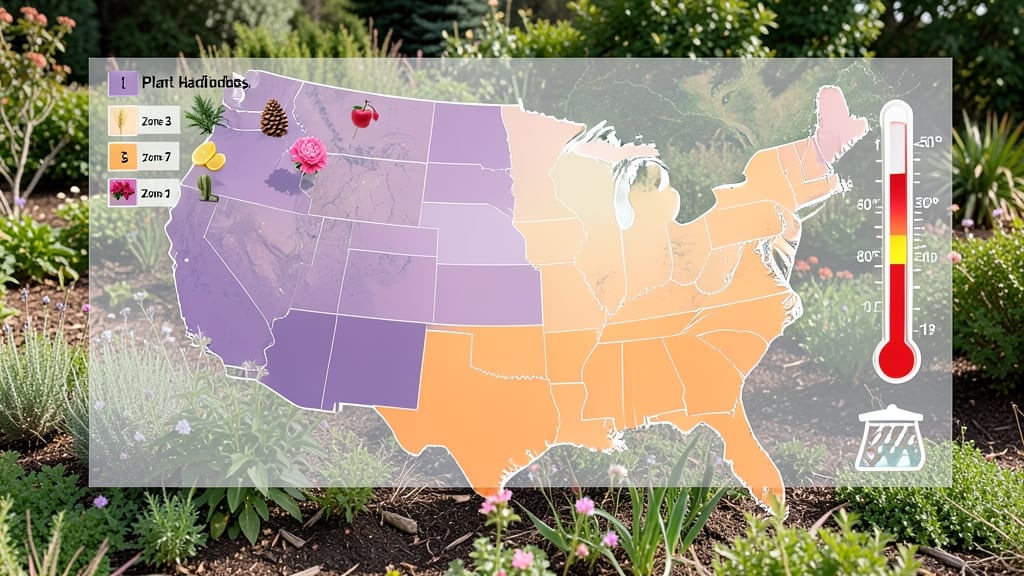
💥 Quick Answer Understanding US climate zones for gardening means using the USDA Plant Hardiness Map, which organizes the country into 13 temperature-based zones to guide plant selection and planting timing for your…
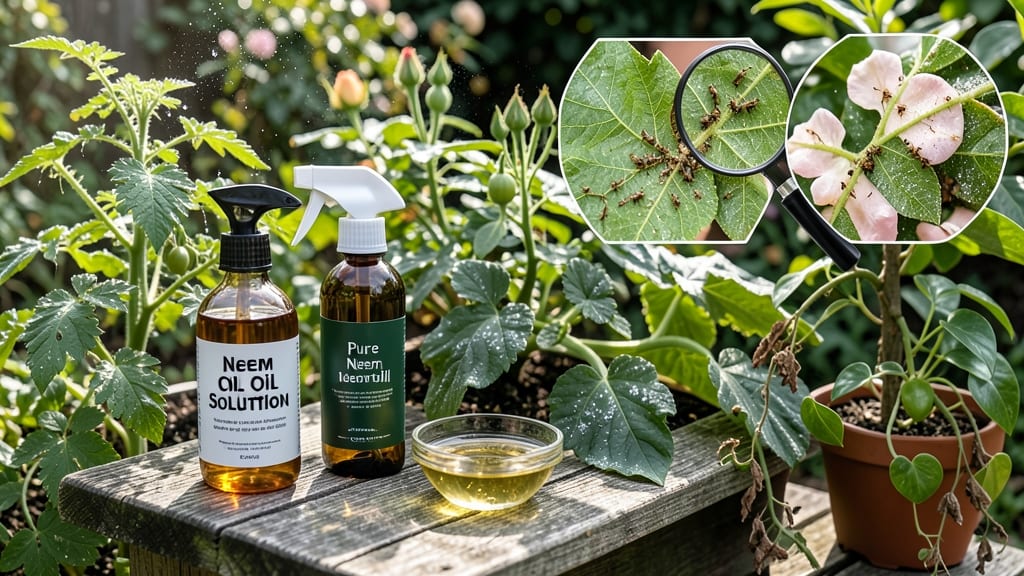
💥 Quick Answer Neem oil has many uses for neem oil in the garden as a powerful organic solution for managing pests like aphids, mites, and whiteflies, as well as combating fungal diseases such as powdery mildew and…
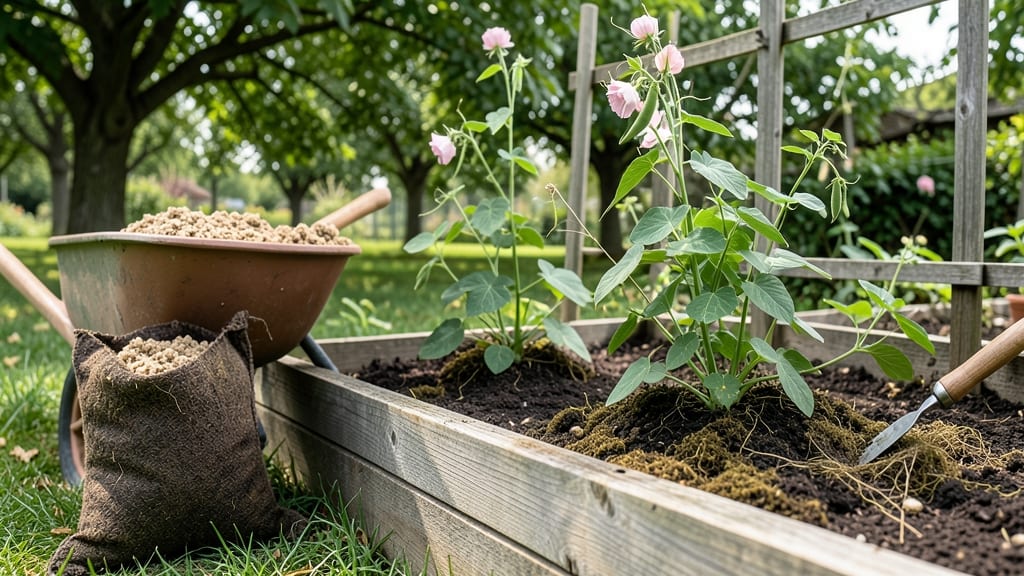
💥 Quick Answer Uses for peat moss in the garden include improving soil structure, acidifying the pH for acid-loving plants like blueberries and azaleas, and boosting water retention in drought-prone areas while…
💥 Quick Answer Using potting soil directly in garden beds can harm plants by compacting roots, suffocating soil microbes, and disrupting natural drainage unless properly amended with native soil and organic matter…
Planting a vegetable garden in Florida requires knowing the exact months to start seeds or set out transplants—because the wrong timing means wilting vines, bitter greens, or pests taking over before you even harvest…