I’ve always had a green thumb—whether it was sneaking seeds from my grandfather’s garden as a kid or wrestling with tomato plants in my first apartment. Now, I’m here to share the joy of growing things, from easy-care houseplants to bold backyard experiments. My approach is simple: practical advice, real stories, and a little bit of the magic that happens when you get your hands in the dirt.
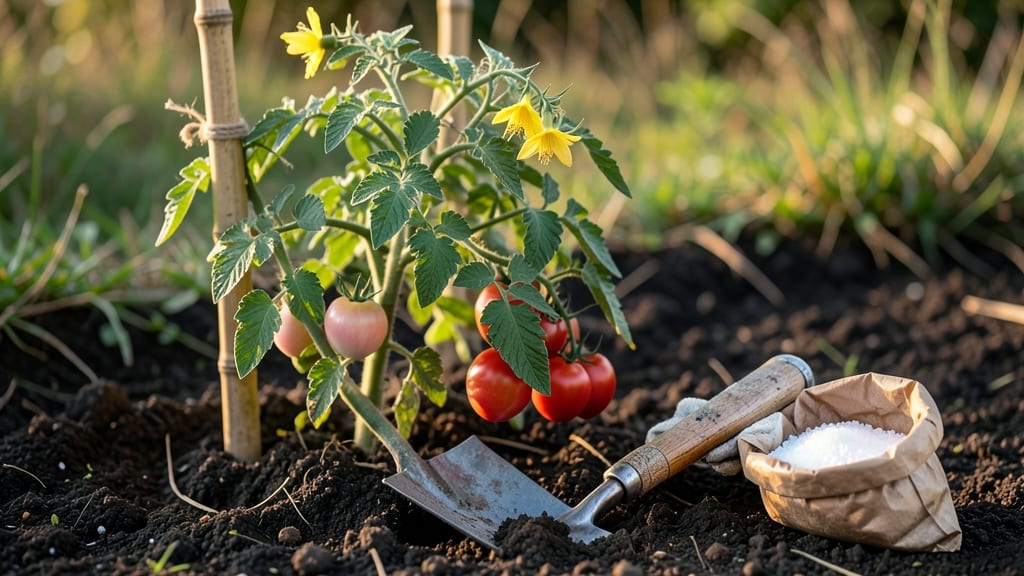
Garden tomatoes need calcium to prevent blossom end rot and thrive from seedling to harvest, but most soils don’t supply enough on their own. If your 🍅 plants are developing dark, sunken spots at the blossom end—blossom…
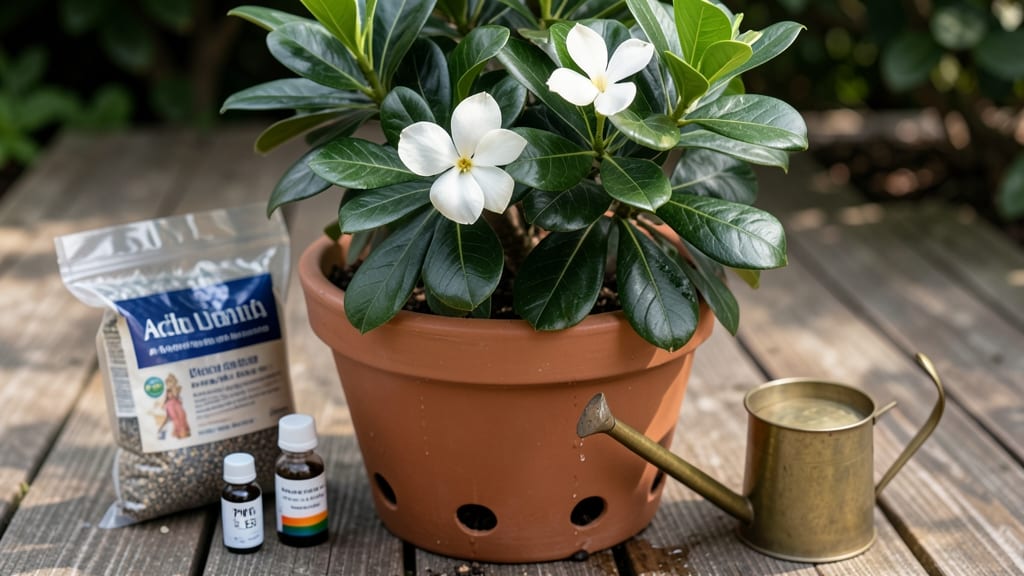
💥 Quick Answer Gardenias can be grown in pots successfully when you provide the right growing conditions: a spacious container (minimum 12 inches deep), nutrient-rich acidic soil, and consistent bright indirect light…
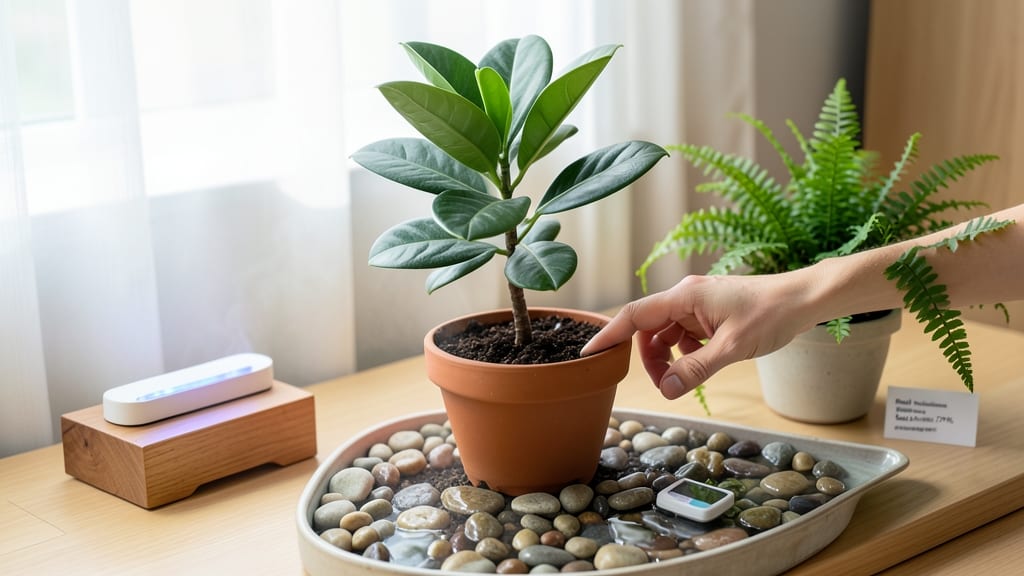
💥 Quick Answer Gardenias can be grown indoors with the right conditions: bright, indirect light, high humidity (60%+), and consistent warmth (65–75°F). They thrive in well-draining soil and require regular watering…
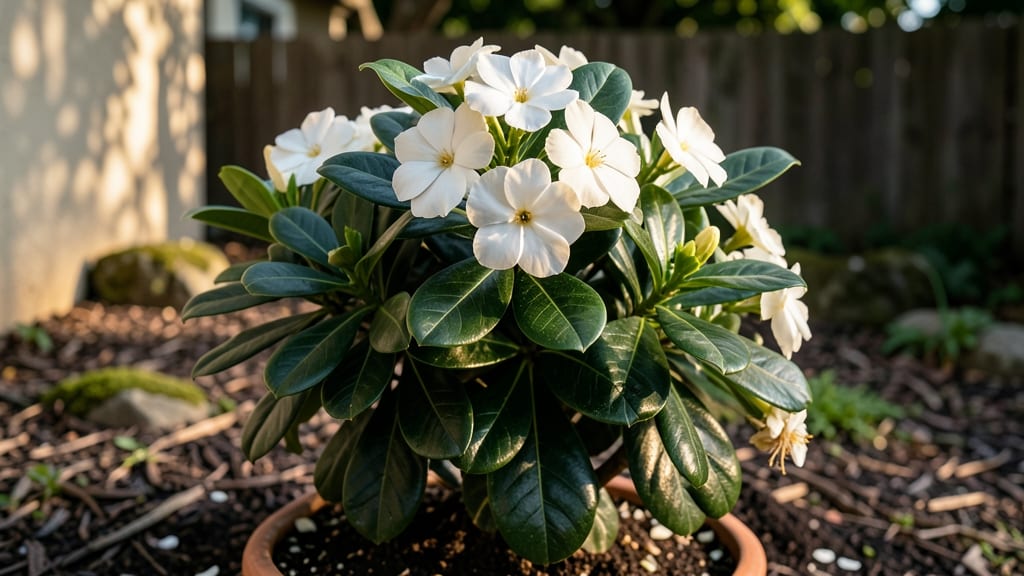
Gardenias can grow in shade, though they’ll need the right variety and a few care tweaks to keep blooming beautifully 🌸. Picture this: your garden’s shady corner suddenly bursting with fragrant white blooms, all because…
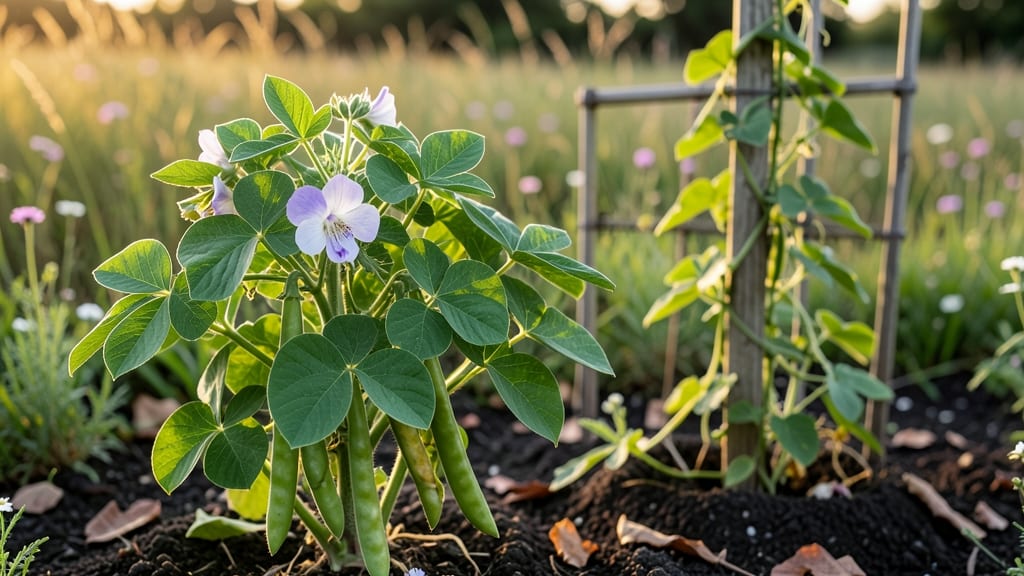
💥 Quick Answer A can of beans can absolutely grow a garden using a simple sprouting method where you soak the beans, watch them develop roots and shoots in a jar, then carefully transplant them into soil—perfect for…
💥 Quick Answer You can absolutely give eggs to a growing garden by incorporating crushed eggshells to boost soil with essential minerals, but avoid adding raw eggs to prevent spoilage and attract pests. Eggshells are…
💥 Quick Answer Putting Preen in a vegetable garden is risky because its active ingredients can damage edible plants by stopping seed germination and stunting young growth, though some organic versions may work for hardy…
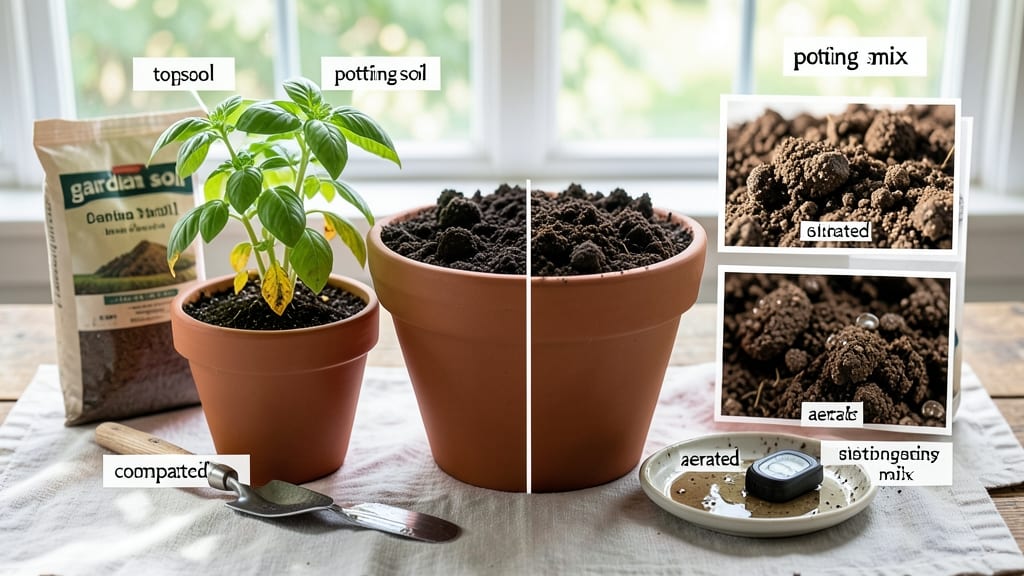
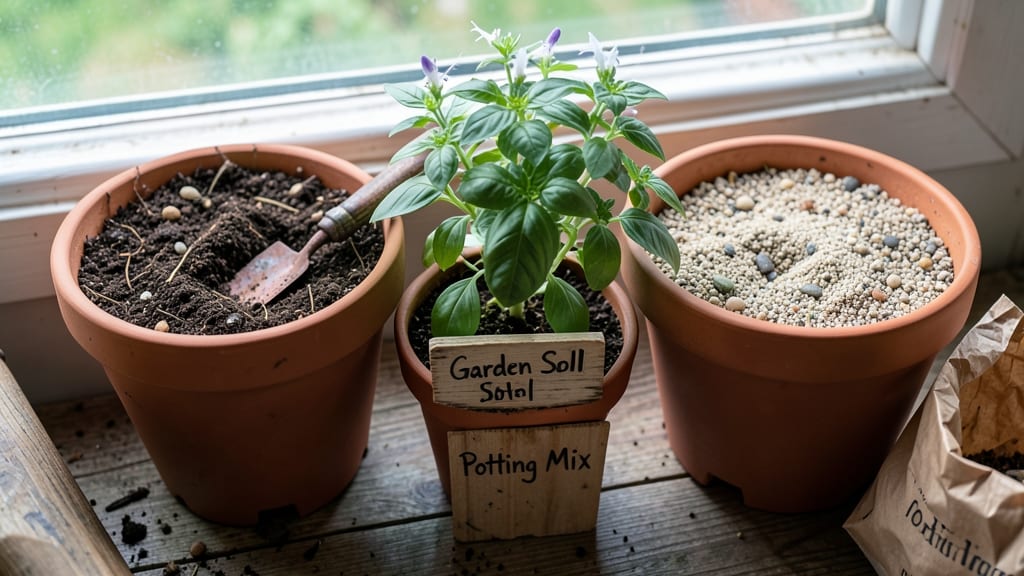
💥 Quick Answer You shouldn't use garden soil as potting soil because it compacts easily, drains poorly, and may harbor pests or diseases. Instead, opt for lightweight, sterile potting mixes with perlite or vermiculite…
💥 Quick Answer You shouldn't use garden soil for potting plants because it compacts easily, drains poorly, and may harbor pests or diseases. Instead, opt for lightweight potting mixes with perlite, peat, or coconut coir…
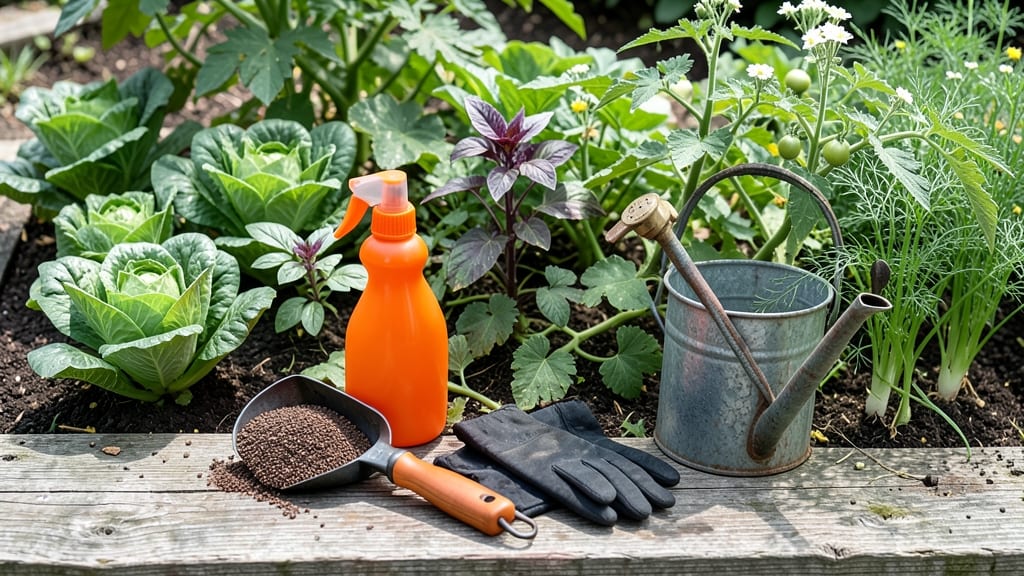
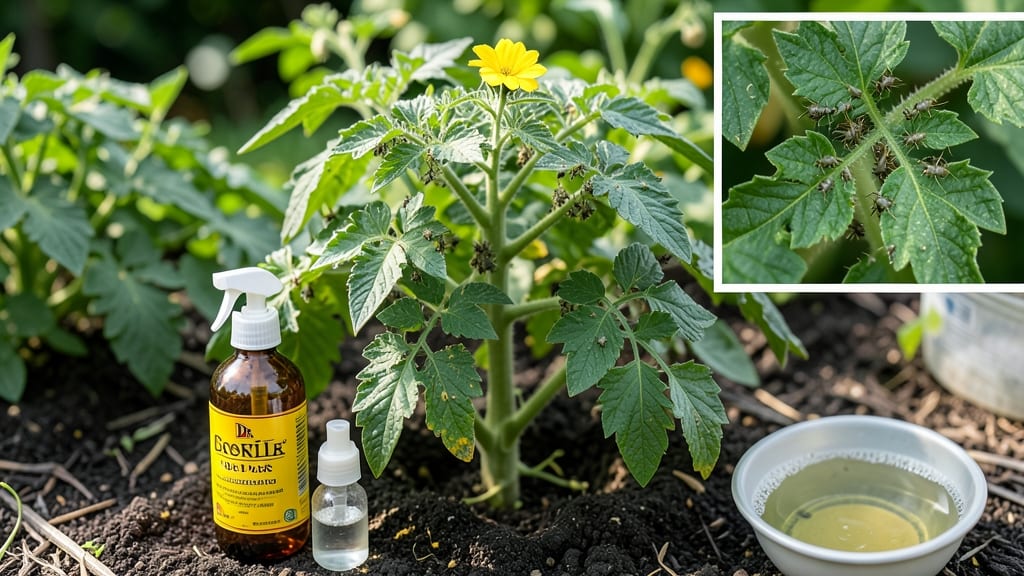
💥 Quick Answer Using Castile soap for garden pests creates a natural insecticide that disrupts the protective layers of soft-bodied insects like aphids, mites, and whiteflies. For best results, mix 1-2 tablespoons per…