I’ve always had a green thumb—whether it was sneaking seeds from my grandfather’s garden as a kid or wrestling with tomato plants in my first apartment. Now, I’m here to share the joy of growing things, from easy-care houseplants to bold backyard experiments. My approach is simple: practical advice, real stories, and a little bit of the magic that happens when you get your hands in the dirt.
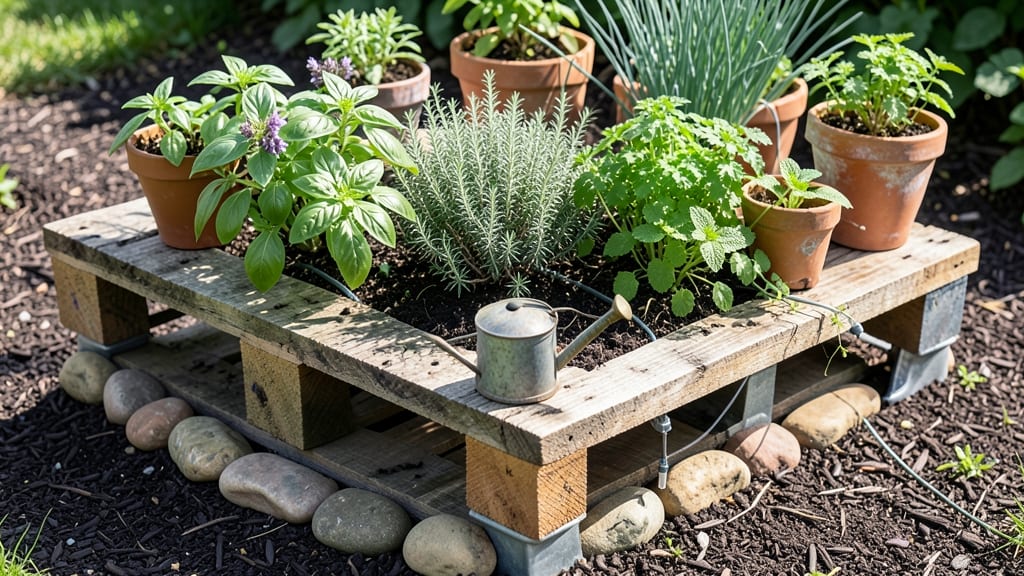
A pallet gardening table turns scrap wood into a space-saving, vertical growing powerhouse 🌱—perfect for small yards, balconies, or urban patios where every inch counts. Picture this: a sturdy, upcycled table holding…
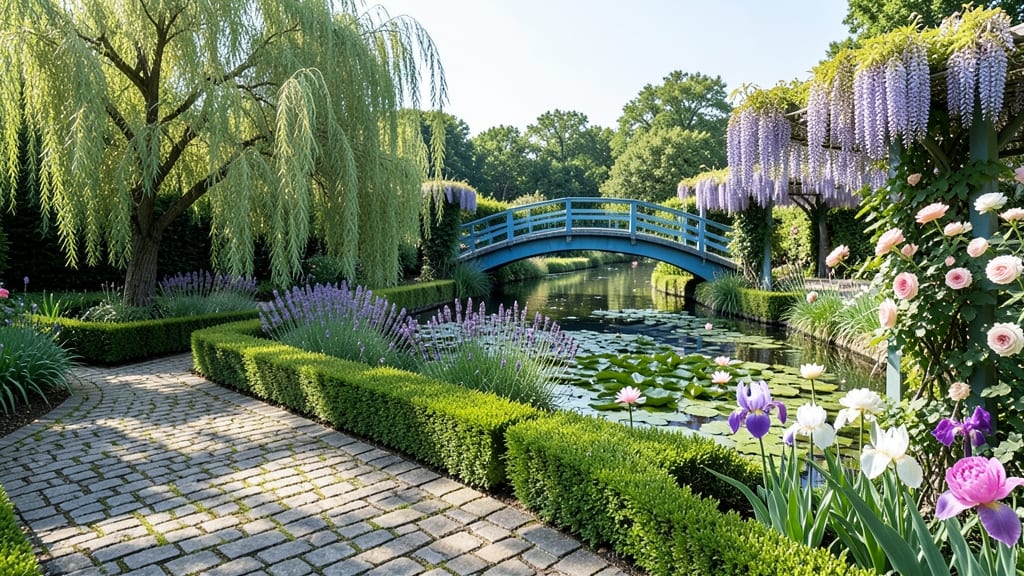
💥 Quick Answer The winding pathways in Monet's garden at Giverny were crafted as artistic journeys that weave through vibrant seasonal blooms, using native French plants like irises and wisteria to create striking…
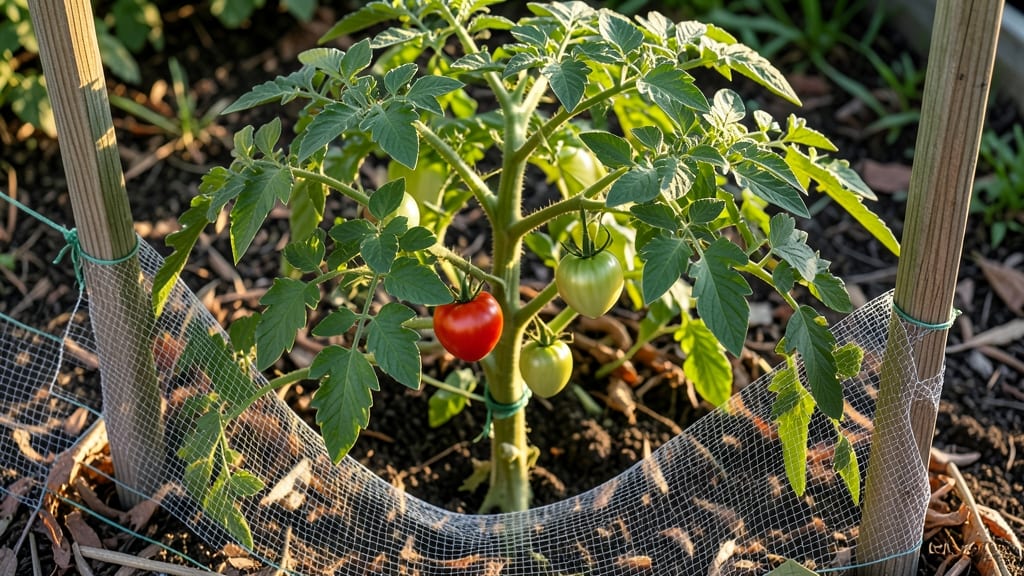
💥 Quick Answer Pest netting for gardens creates a physical barrier against insects, birds, and wildlife damage while maintaining essential growing conditions. Use 0.6mm mesh for tiny pests like aphids or 1.5mm mesh for…
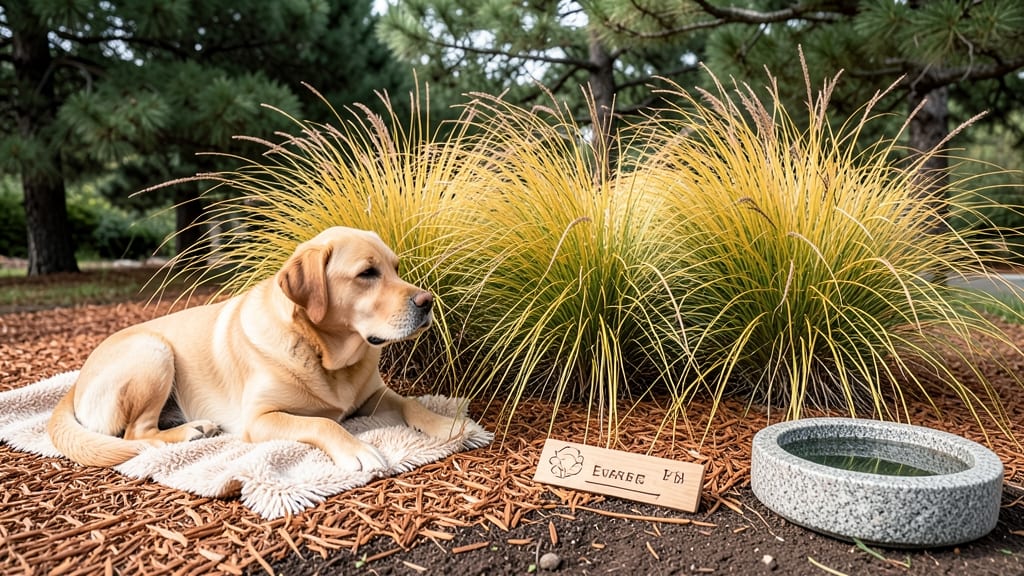
💥 Quick Answer Keeping a pet in the garden safely means using positive reinforcement, designated play zones, and natural barriers like fencing or mulch beds to prevent destructive digging or chewing while maintaining…
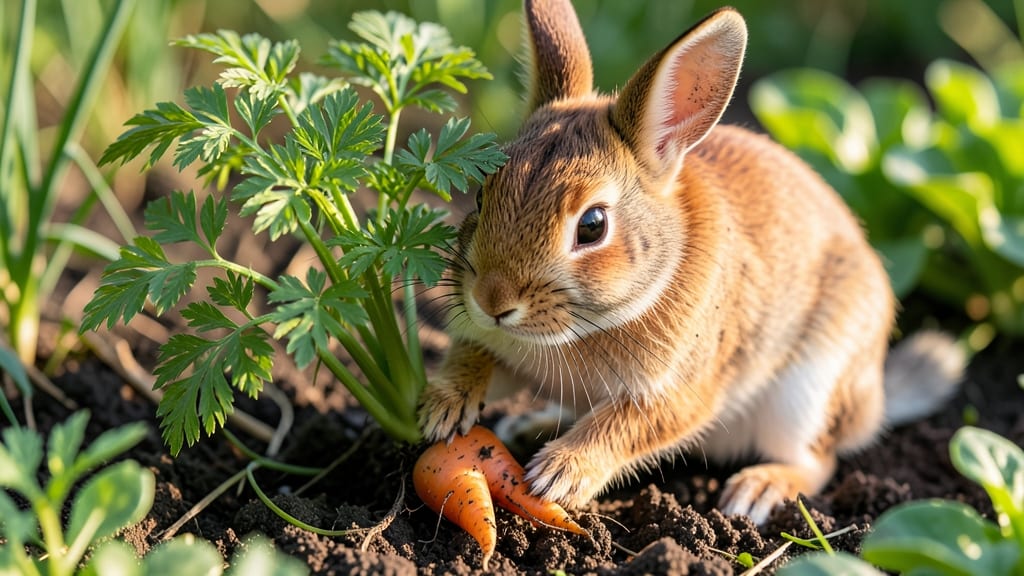
💥 Quick Answer When practicing Peter Rabbit gardening, focus on natural deterrents like physical barriers (chicken wire), planting rabbit-resistant herbs (lavender, rosemary), or using organic sprays (garlic or hot…
💥 Quick Answer Peter Rabbit in Mr. McGregor’s garden shows how rabbits target tender vegetables like carrots, lettuce, and radishes, demonstrating real-world pest behavior that gardeners face daily. The story reveals…
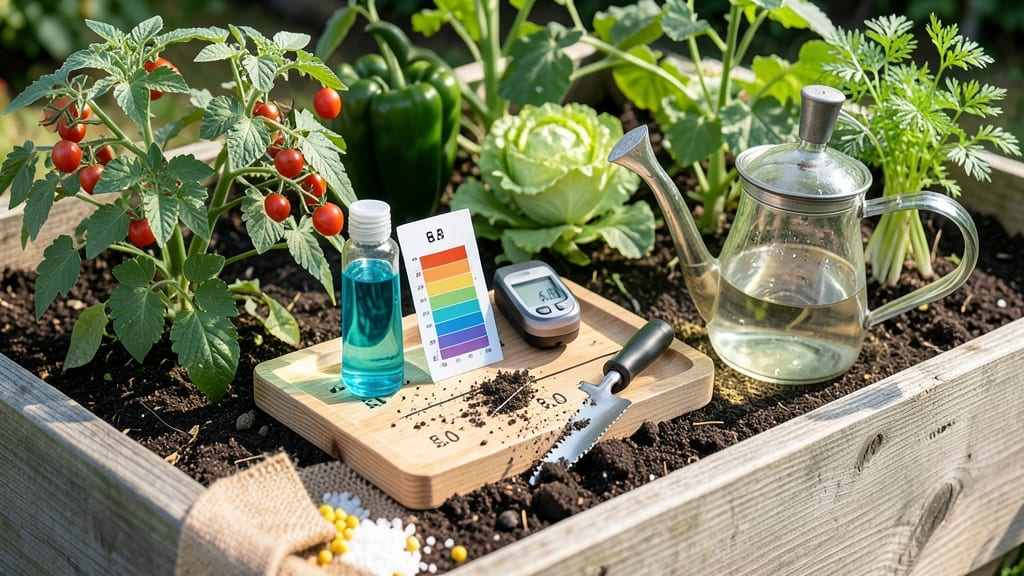
💥 Quick Answer The ideal pH level for garden vegetables falls between 6.0 and 7.0, with specific crops like tomatoes thriving in slightly acidic soil (5.8–6.5) while beans and peas prefer neutral to slightly alkaline…
💥 Quick Answer Gardening in Phoenix's USDA Zones 9b-10a means choosing hardy desert plants like desert marigold and palo verde trees, while avoiding frost-sensitive varieties. The best times to plant are fall or spring…
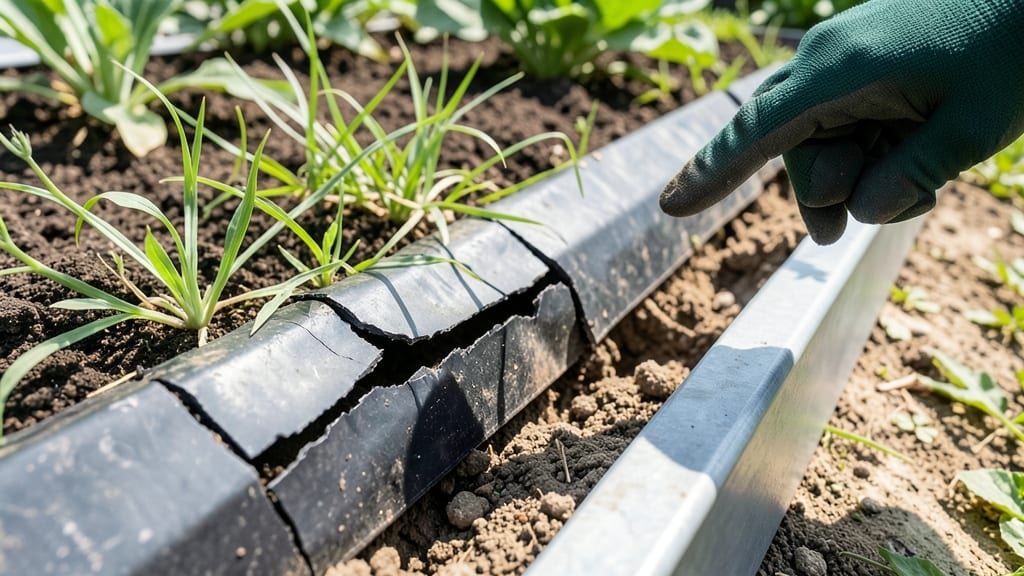
💥 Quick Answer Understanding plastic edging gardening dangers reveals serious risks like soil compaction, stunted root development, and chemical runoff that degrade plant health over time. These barriers also disrupt…