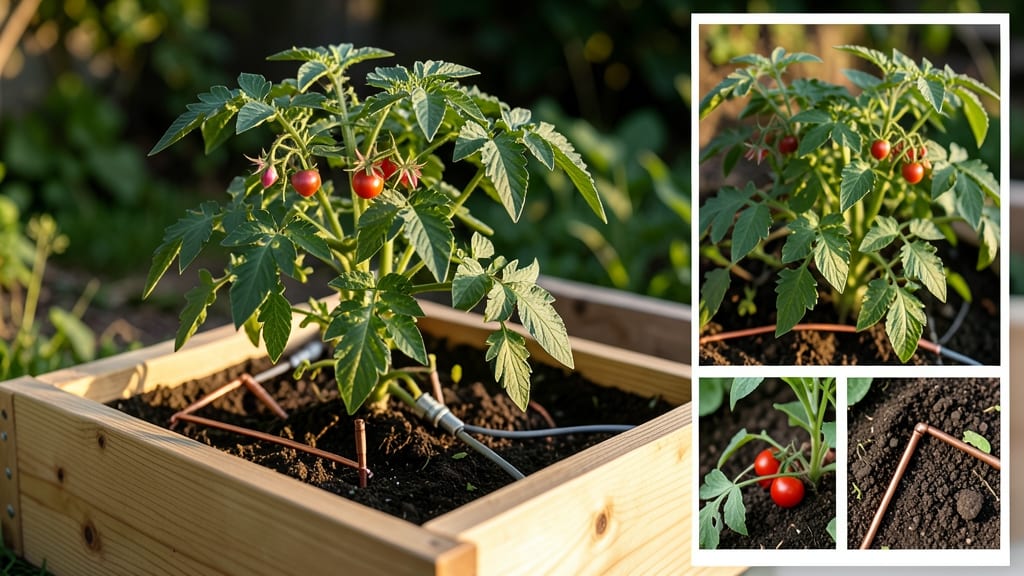
I’ve always had a green thumb—whether it was sneaking seeds from my grandfather’s garden as a kid or wrestling with tomato plants in my first apartment. Now, I’m here to share the joy of growing things, from easy-care houseplants to bold backyard experiments. My approach is simple: practical advice, real stories, and a little bit of the magic that happens when you get your hands in the dirt.
Cincinnati, Ohio, falls in USDA Hardiness Zones 6a and 6b , where the difference between a thriving garden and a struggling one often comes down to timing. If you're planning your Cincinnati garden but unsure which…
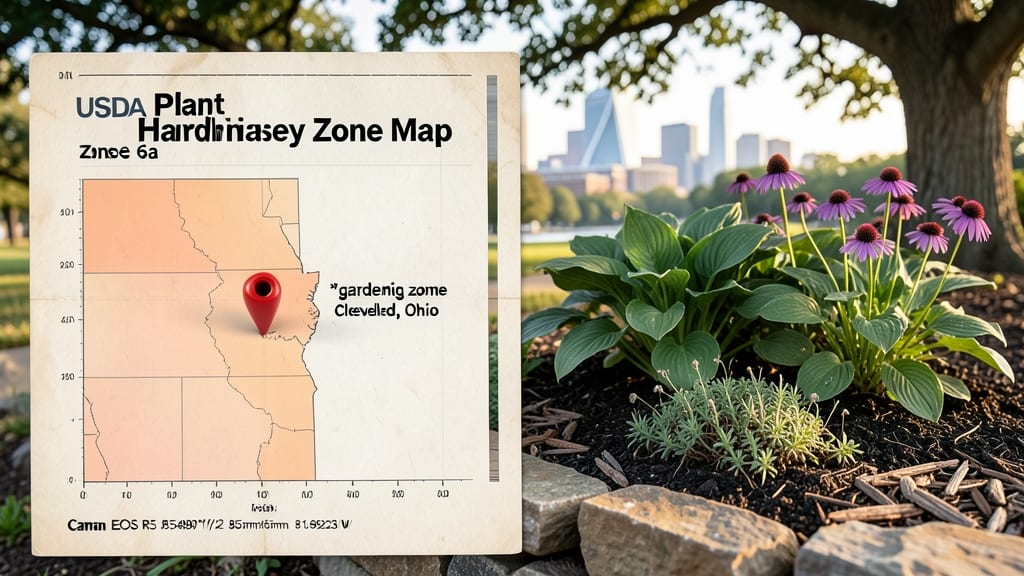
💥 Quick Answer To determine Cleveland, Ohio's gardening zone, it falls primarily in USDA Hardiness Zones 5b and 6a , with average winter lows ranging from -15°F to 5°F , which directly impacts what plants can thrive…
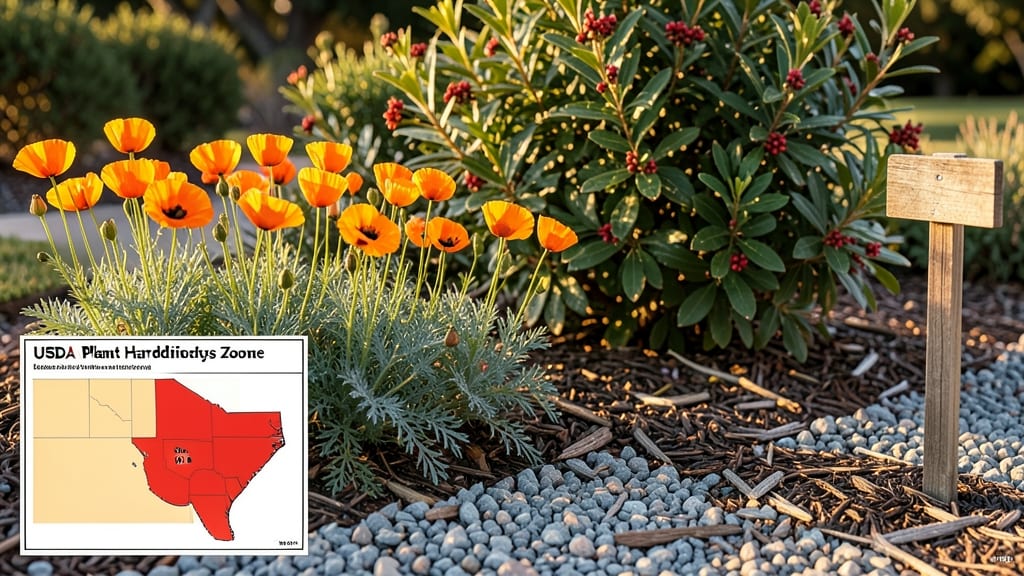
💥 Quick Answer Fort Worth, Texas, is in USDA Hardiness Zone 8a, where winter lows typically stay between 10°F and 15°F (-12°C to -9°C), directly influencing when and what you can plant in your garden. This zone…
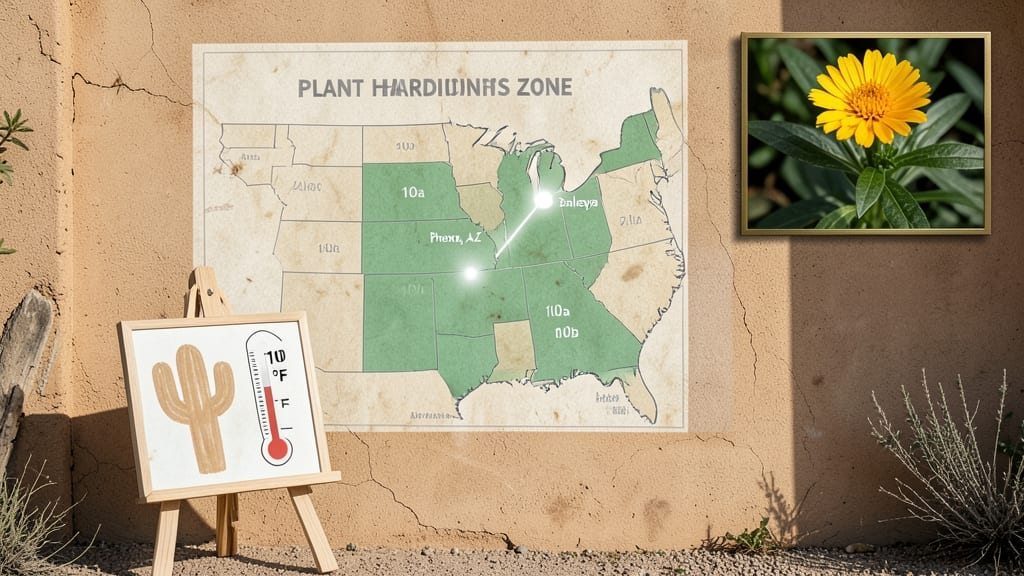
💥 Quick Answer Phoenix, AZ is in USDA gardening zone 10a and 10b, where mild winters and intense summers create ideal conditions for warm-season plants like bougainvillea, citrus trees, and palm varieties. This desert…
💥 Quick Answer San Diego, CA, falls within USDA Hardiness Zones 10a (30-35°F) and 10b (35-40°F), allowing year-round gardening with frost-free winters and mild temperatures. Coastal areas may experience slightly cooler…
💥 Quick Answer A garden hoe is used for cultivating soil, removing weeds, breaking up clods, and creating furrows for planting. Its flat blade or pointed tip helps aerate the ground while keeping beds weed-free and…
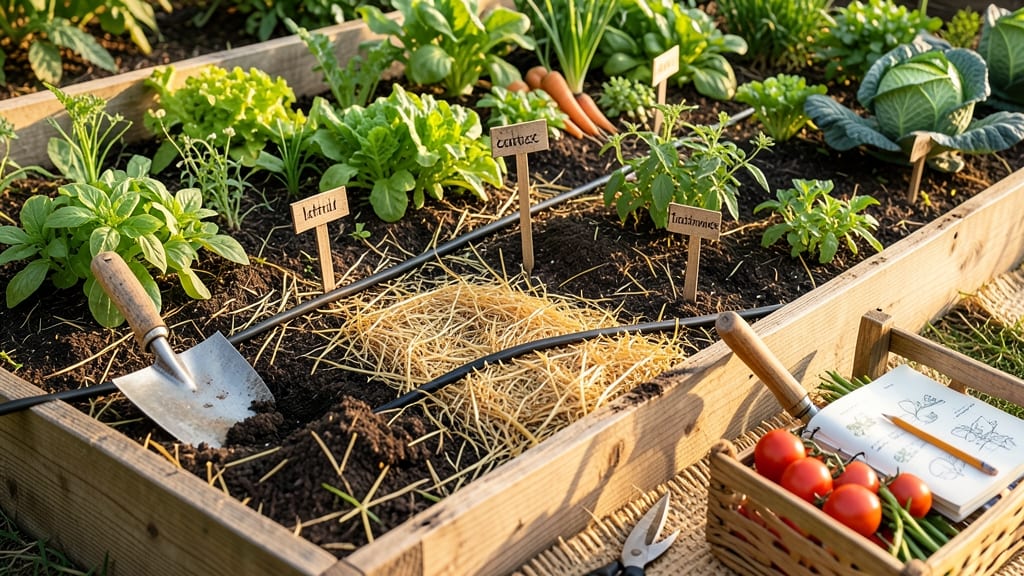
💥 Quick Answer A market garden is a small-scale farming operation that grows high-value crops like vegetables, herbs, and flowers specifically for direct sales to local customers, restaurants, and farmers' markets…
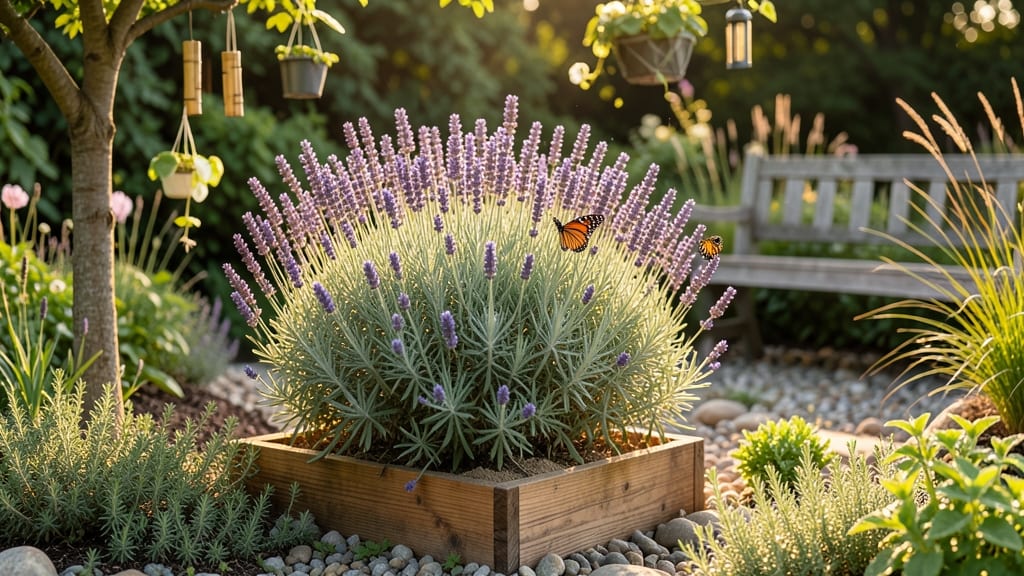
💥 Quick Answer A sensory garden is a thoughtfully designed outdoor space that stimulates all five senses—sight, touch, smell, taste, and sound—through carefully selected plants and natural elements. These gardens create…
💥 Quick Answer Electroculture gardening is a technique that uses low-voltage electric currents to stimulate plant growth by enhancing photosynthesis, nutrient absorption, and root development while strengthening natural…
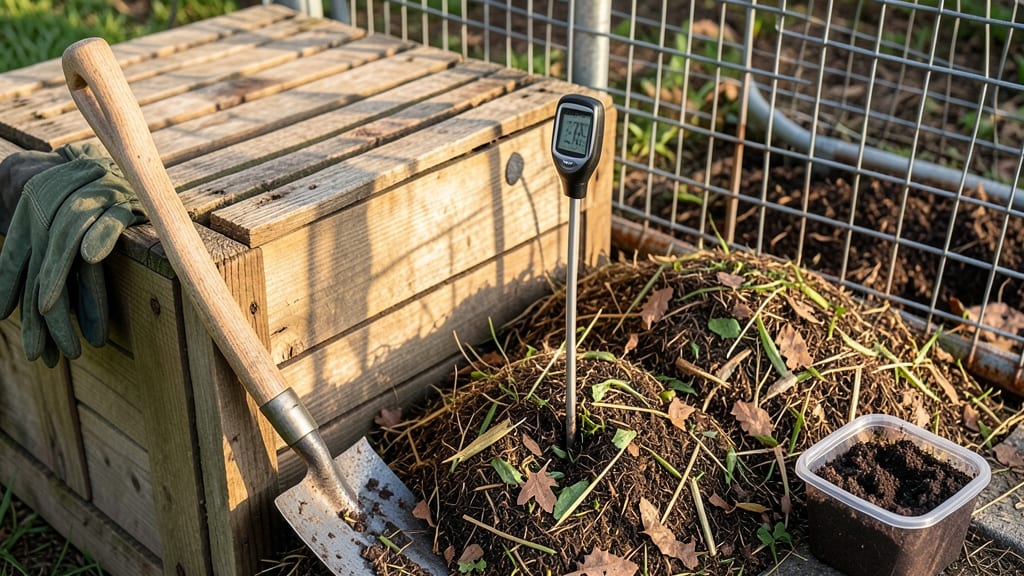
💥 Quick Answer Garden compost is decomposed organic matter like yard waste, food scraps, and plant trimmings that enriches soil by improving structure, retaining moisture, and providing essential nutrients for plant…