I’ve always had a green thumb—whether it was sneaking seeds from my grandfather’s garden as a kid or wrestling with tomato plants in my first apartment. Now, I’m here to share the joy of growing things, from easy-care houseplants to bold backyard experiments. My approach is simple: practical advice, real stories, and a little bit of the magic that happens when you get your hands in the dirt.
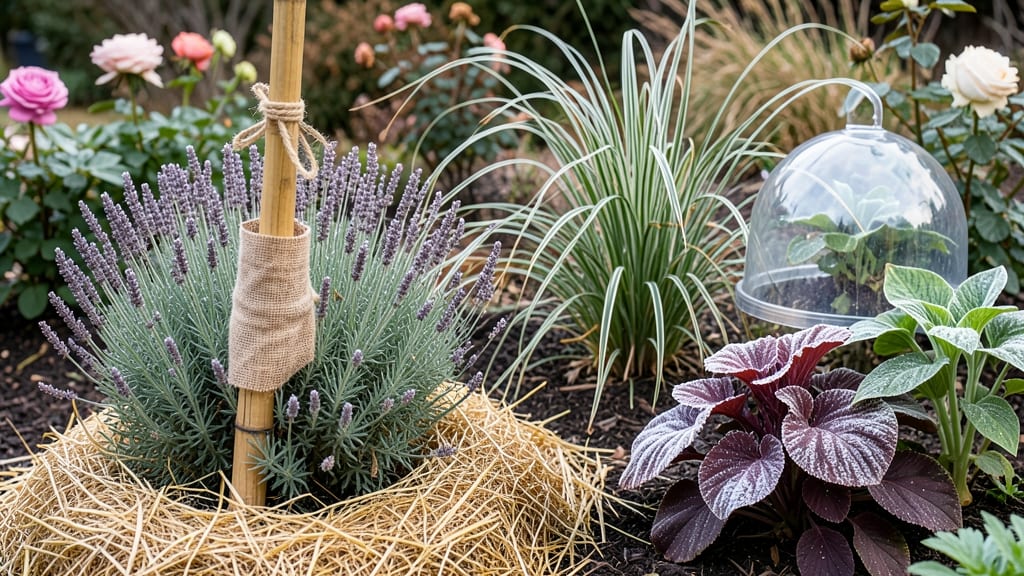
Winter protection for your garden is the key to keeping plants alive through 6a’s ❄️ coldest months. Frost can turn your thriving garden into a frozen wasteland overnight—but with the right winter protection strategies…
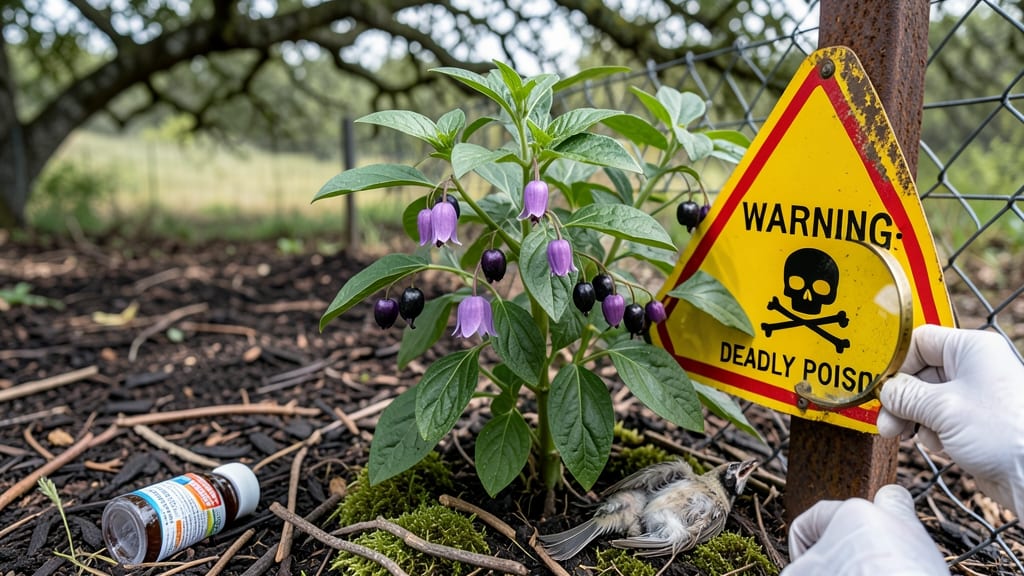
💥 Quick Answer The world's deadliest garden features toxic plants like castor beans, oleander, and foxglove, which contain deadly compounds like ricin, cardiac glycosides, and digitalis. Growing them requires strict…
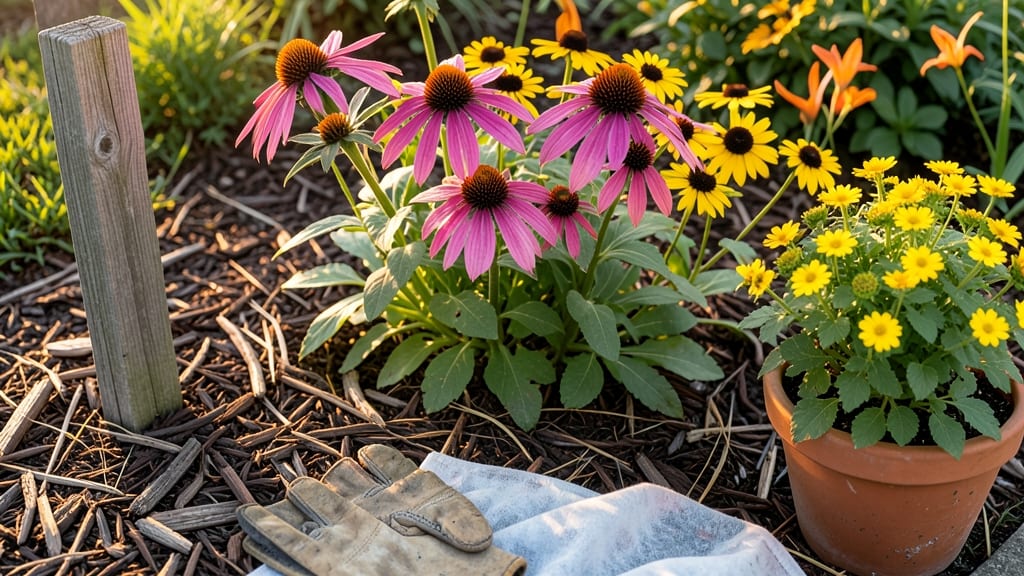
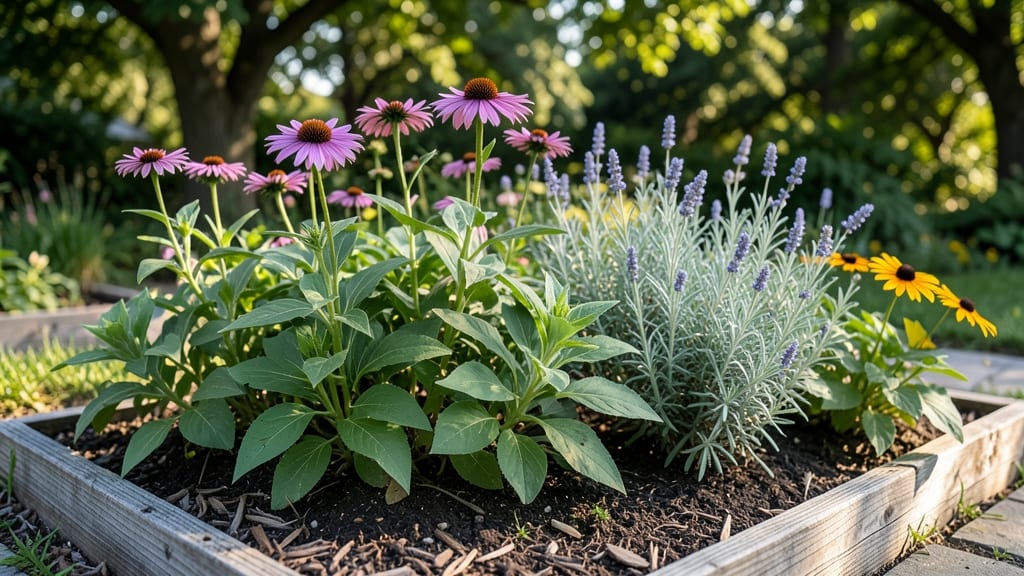
💥 Quick Answer Zone 4 gardening thrives with cold-hardy plants that endure winters down to -30°F, featuring resilient perennials like lavender and coneflowers alongside shrubs such as lilacs. Time cool-season crops like…
💥 Quick Answer Zone 5 gardening succeeds in cold-climate regions where winters dip to -15°F to -10°F (-26°C to -23°C), demanding frost-resistant plants, strategic planting schedules, and protective techniques like…
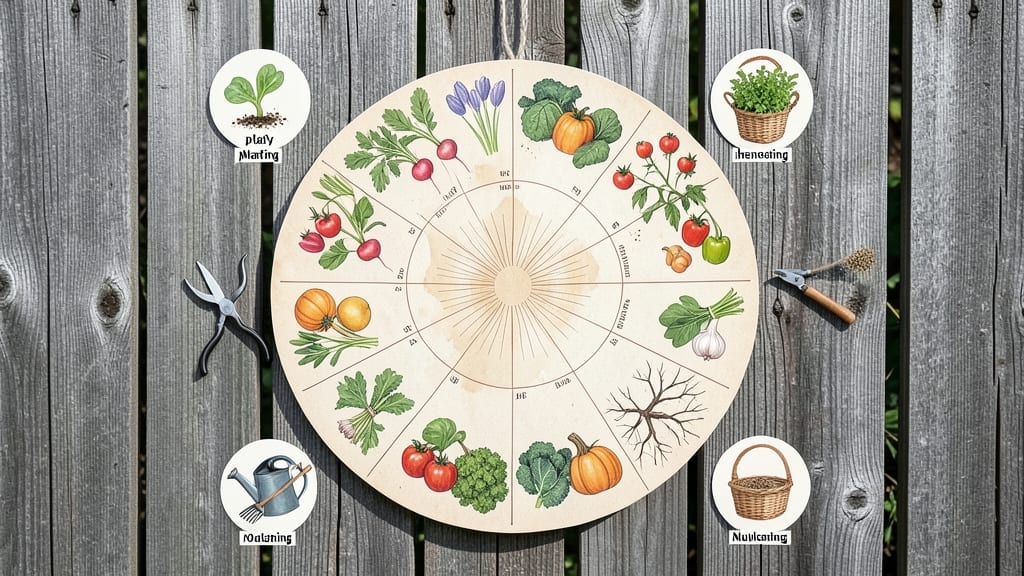
💥 Quick Answer A Zone 7 gardening calendar helps you time planting by tracking average frost dates (mid-March to mid-November), separating tasks into cool-season crops (fall/spring), warm-season plants (late…
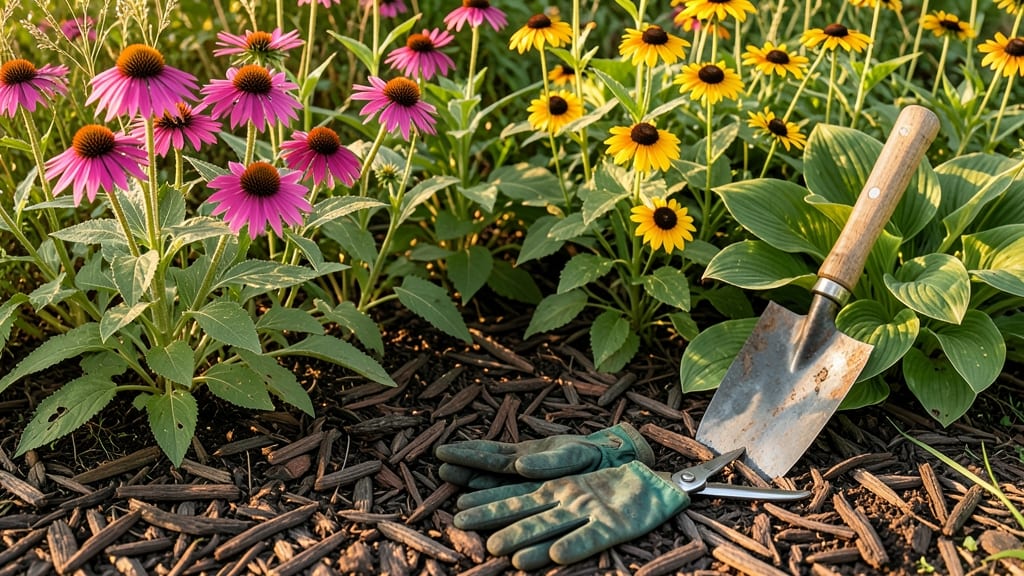
💥 Quick Answer Zone 3 gardening thrives in cold climates with USDA Zone 3’s subzero winter lows, where hardy perennials, cold-tolerant vegetables, and evergreens excel. Focus on resilient plants like coneflowers, kale…
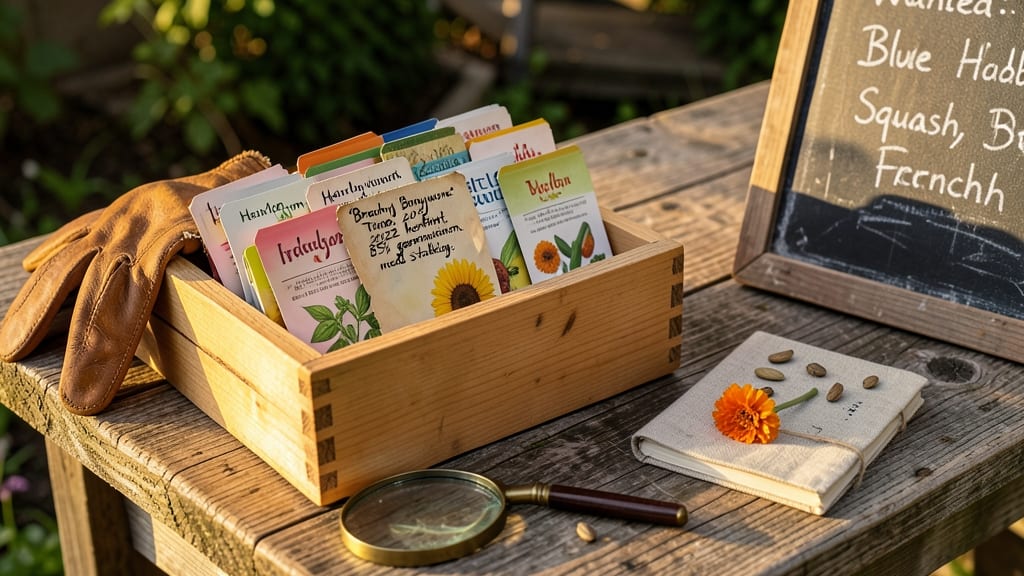
💥 Quick Answer You can trade seeds in Grow a Garden , but the platform enforces strict rules to prevent banned or invasive species, ensuring compliance with local regulations and fair community practices. Always verify…
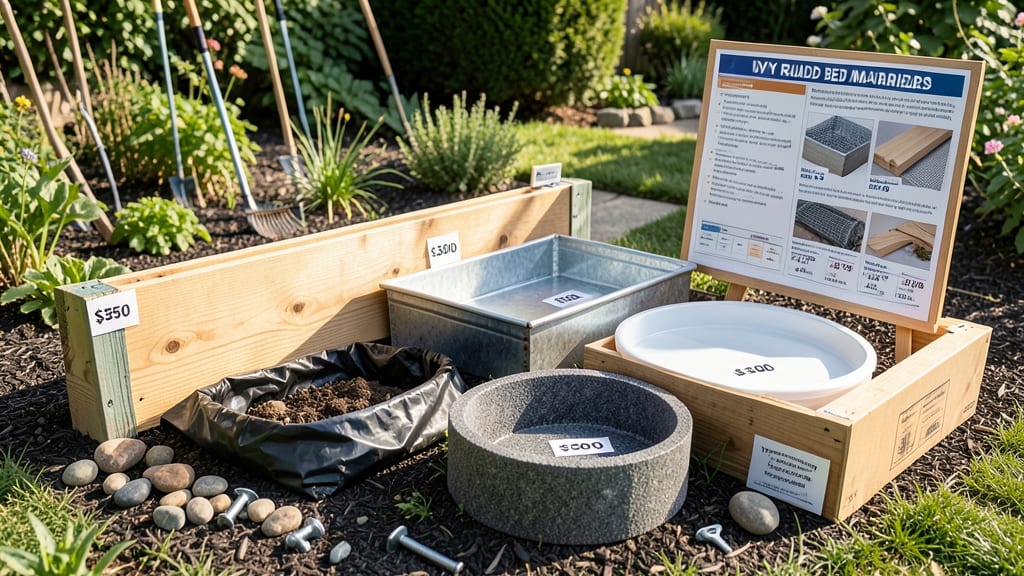
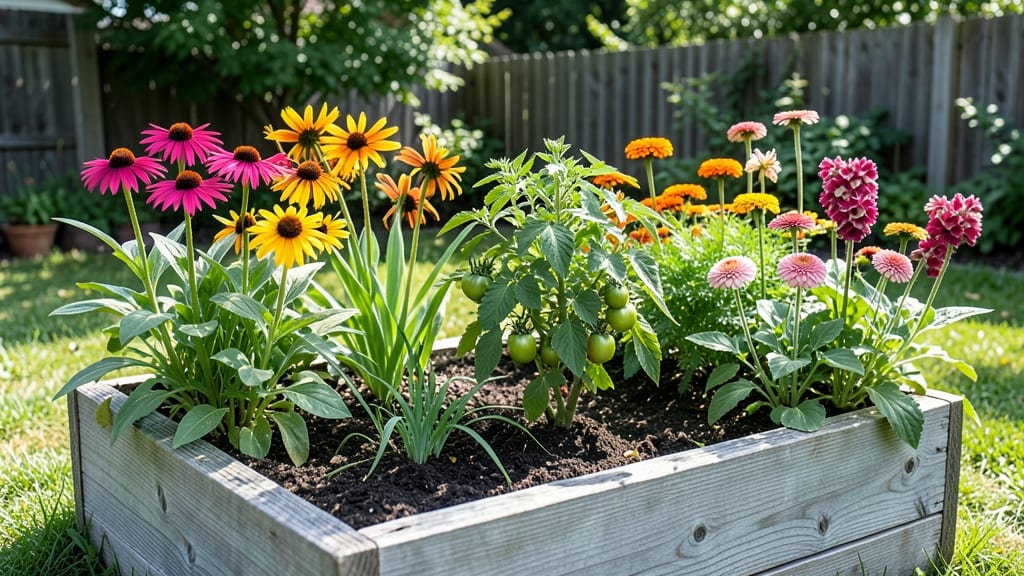
💥 Quick Answer The price of raised garden beds ranges from $100 to $1,500+ , influenced by size, materials (cedar, redwood, composite lumber), and whether you buy pre-made or build DIY. A standard 4x8-foot cedar bed…
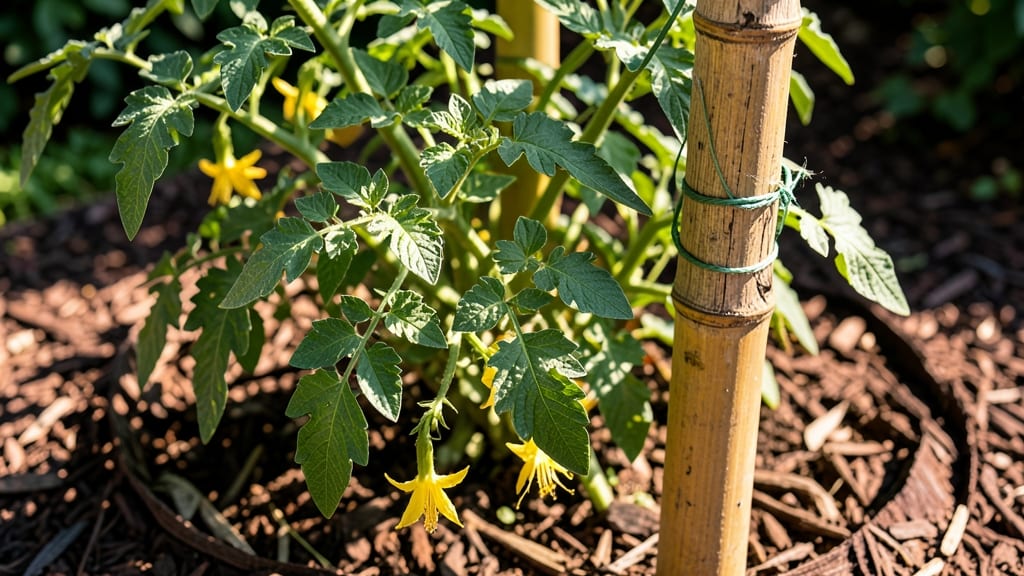
💥 Quick Answer To place tomatoes in your garden, choose a location with full sun exposure (6-8 hours daily), well-draining soil with a pH of 6.0-6.8, and space plants at least 18-24 inches apart to prevent disease and…
💥 Quick Answer Understanding Philadelphia’s gardening zone helps you select the right plants, as the city falls within USDA Hardiness Zones 6b to 7a, with significant microclimate variations affecting frost timing and…