I’ve always had a green thumb—whether it was sneaking seeds from my grandfather’s garden as a kid or wrestling with tomato plants in my first apartment. Now, I’m here to share the joy of growing things, from easy-care houseplants to bold backyard experiments. My approach is simple: practical advice, real stories, and a little bit of the magic that happens when you get your hands in the dirt.
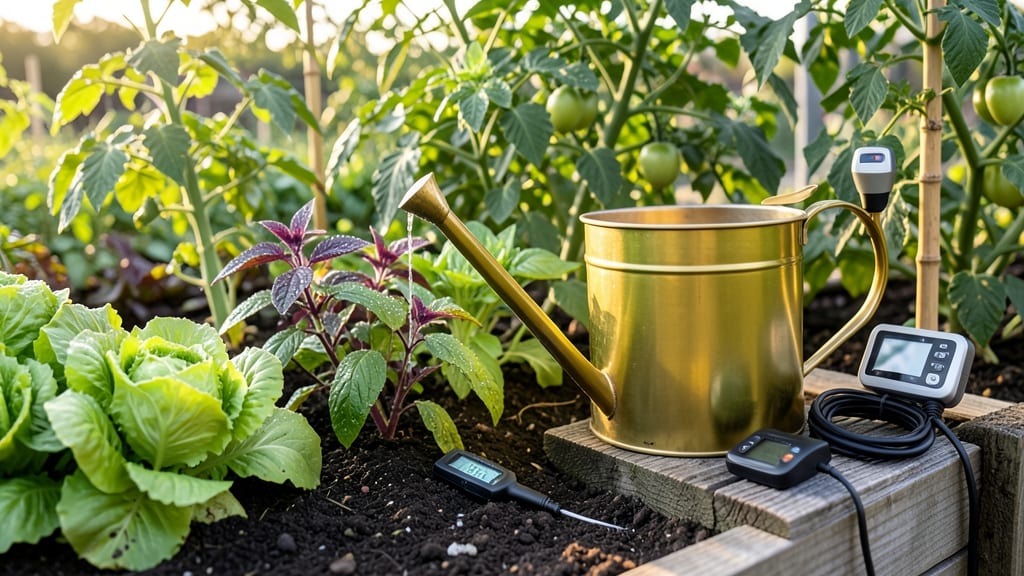
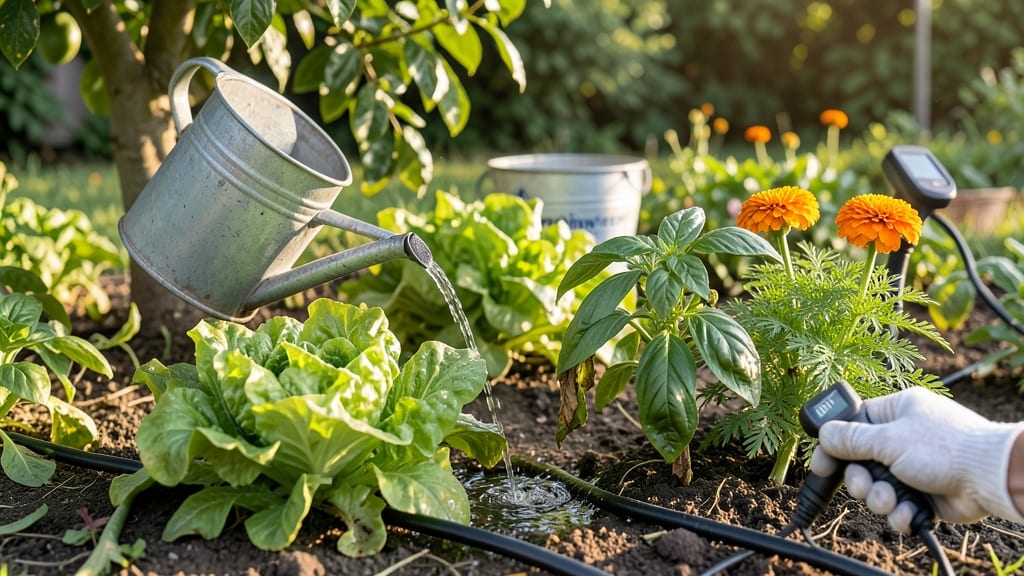
💥 Quick Answer To determine how long to water your garden, consider soil type: sandy soil requires 5-10 minutes per zone, loamy soil needs 10-15 minutes, and clay soil demands 15-20 minutes for proper saturation. Always…
💥 Quick Answer Growing egg stock from garden scraps transforms kitchen waste into a nutrient-rich broth that enhances your garden's soil health. This method turns eggshells—packed with calcium—into a natural fertilizer…
💥 Quick Answer Gardens do increase property value by 5% to 15% on average, creating curb appeal and functional outdoor space that buyers actively seek in today's real estate market. High-end landscaping can push this…
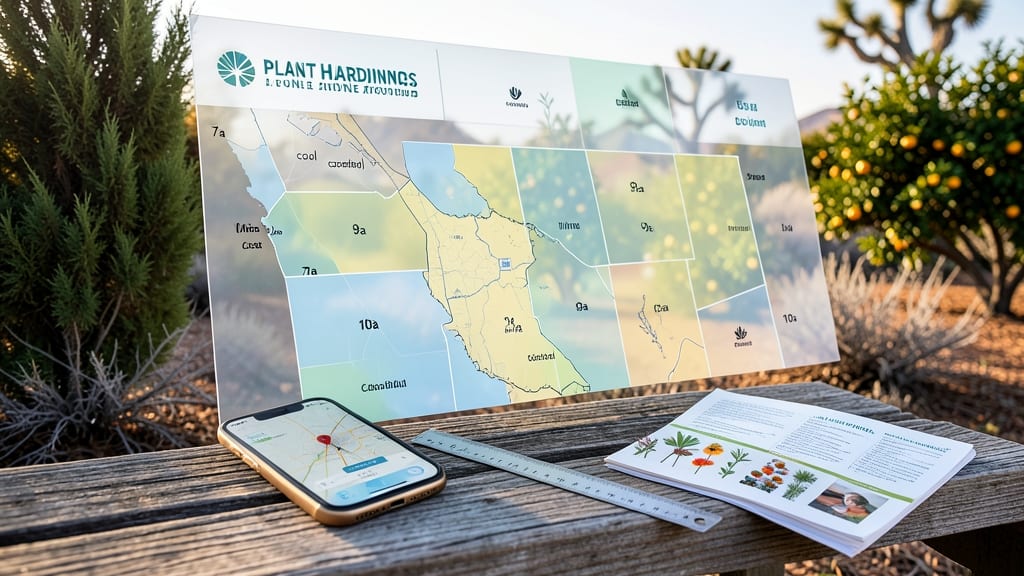
💥 Quick Answer Finding California gardening zones by zip code reveals your USDA Plant Hardiness Zone (typically 5b to 11b), which tells you exactly which plants will survive year-round in your specific microclimate. The…
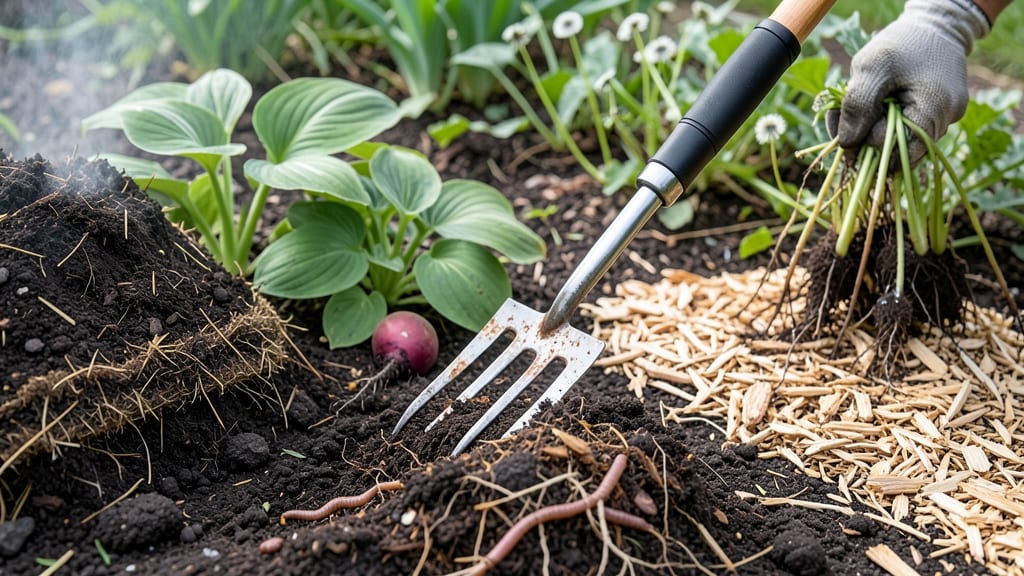
💥 Quick Answer A garden fork has uses far beyond digging and weeding—it aerates compacted soil, lifts heavy mulch layers, and extracts weeds by the root without disturbing nearby plants. Its four sturdy tines also make…
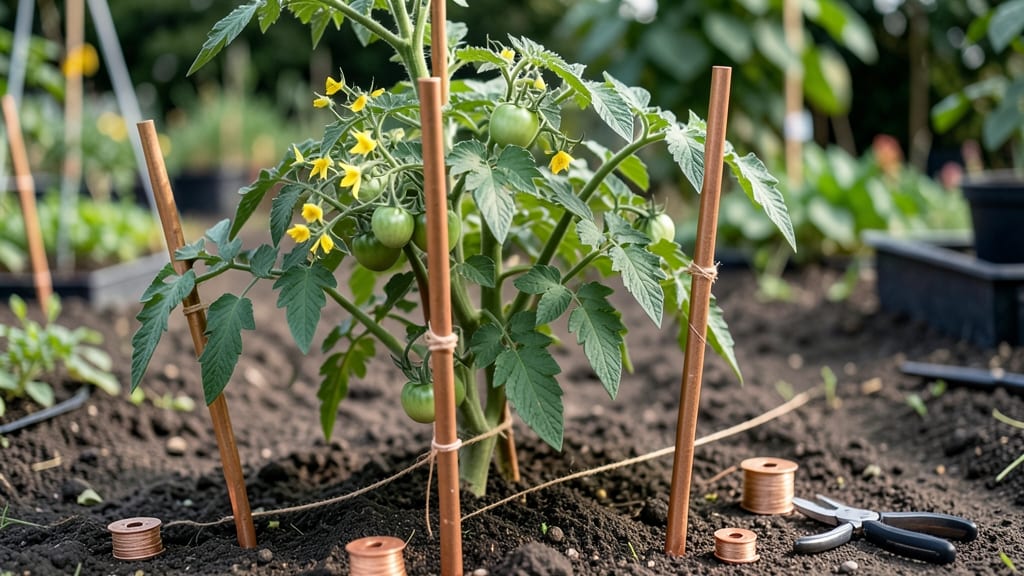
💥 Quick Answer These copper garden stakes benefits provide unmatched durability , natural rust resistance , and long-term performance —perfect for supporting heavy vines, trellises, and climbing plants while preventing…
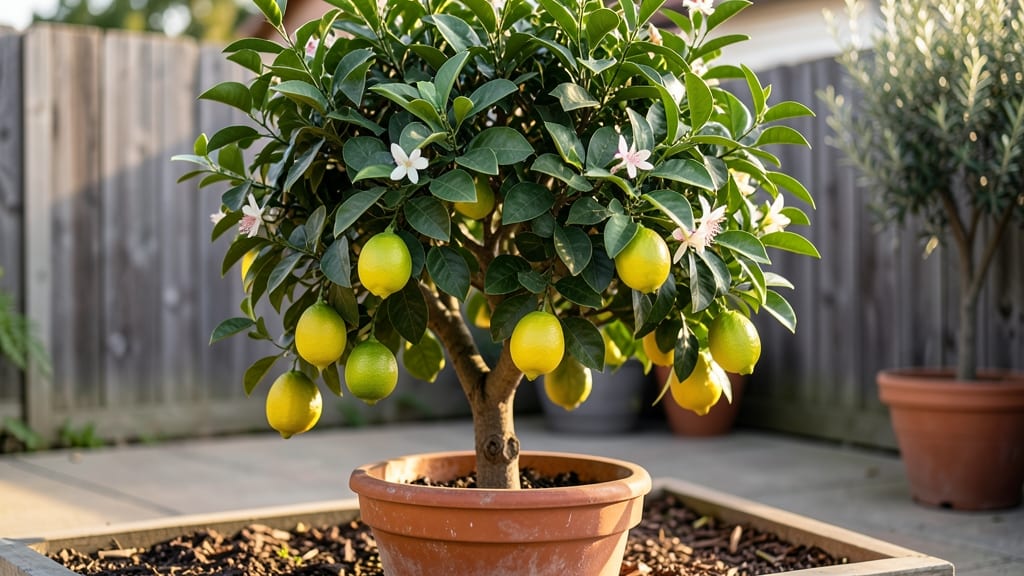
💥 Quick Answer Gardening in Zone 9A lets you grow plants year-round thanks to its warm climate, perfect for citrus trees, succulents, and tropical favorites like bougainvillea. Time your planting for spring and fall to…
💥 Quick Answer Ohio's gardening zones span USDA Zone 5b in the colder northern regions to Zone 6b in the southern areas, with most of the state falling under Zone 6a. These zones determine frost timelines, heat…
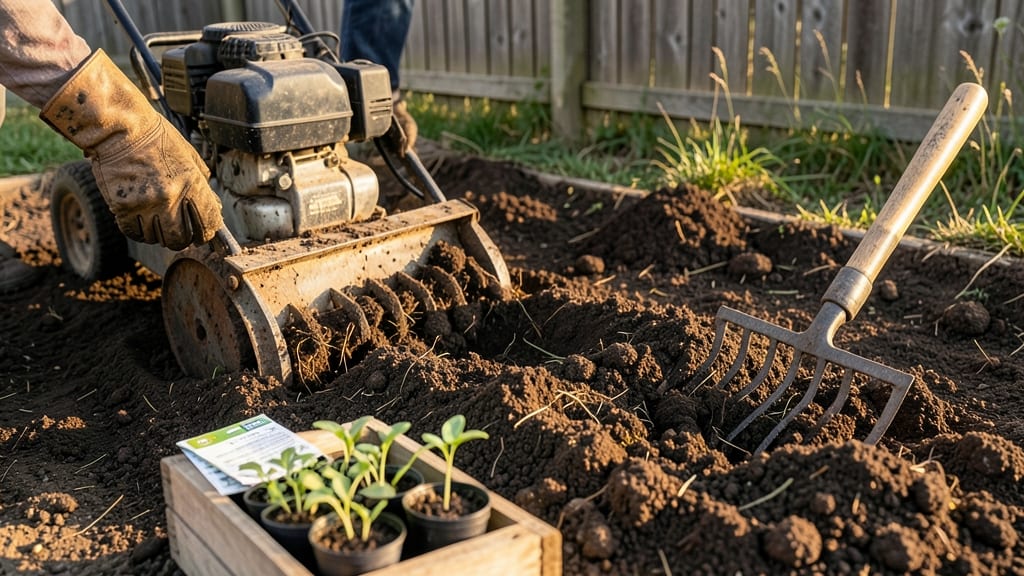
💥 Quick Answer The best time to till a garden is during early spring or fall when soil temperatures sit between 50–60°F (10–15°C) , ensuring the ground is soft enough to work without being frozen or waterlogged. This…
💥 Quick Answer You don’t need to water your garden every day unless you’re facing extreme heat, sandy soil, or newly planted seeds. Most plants grow best with 1-1.5 inches of water per week, adjusted for your local…