I’ve always had a green thumb—whether it was sneaking seeds from my grandfather’s garden as a kid or wrestling with tomato plants in my first apartment. Now, I’m here to share the joy of growing things, from easy-care houseplants to bold backyard experiments. My approach is simple: practical advice, real stories, and a little bit of the magic that happens when you get your hands in the dirt.
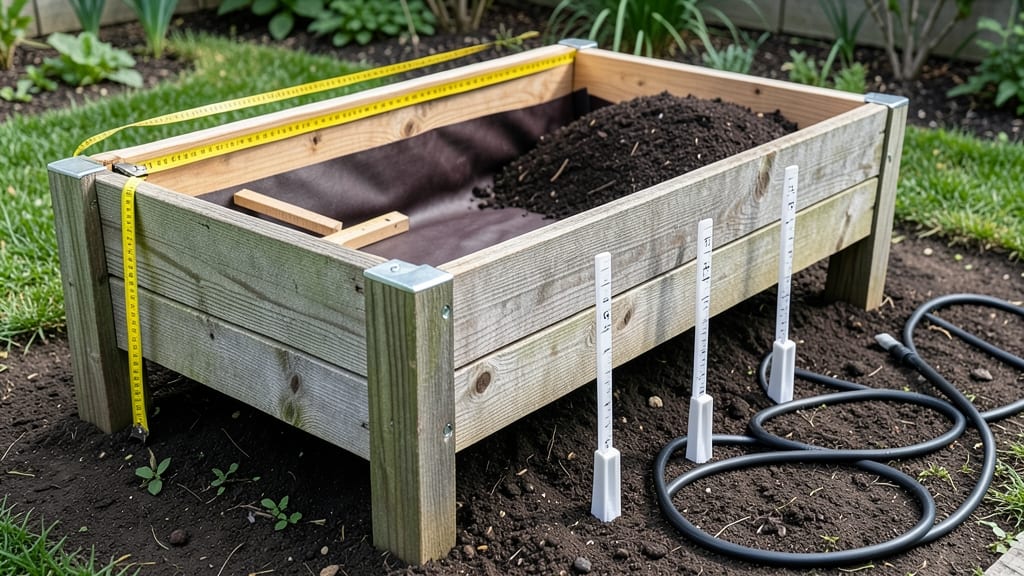
💥 Quick Answer The ideal dimensions for raised garden beds balance plant needs with human ergonomics, featuring widths of 3–4 feet for easy reach, lengths up to 12 feet for space efficiency, and depths of 12–18 inches…
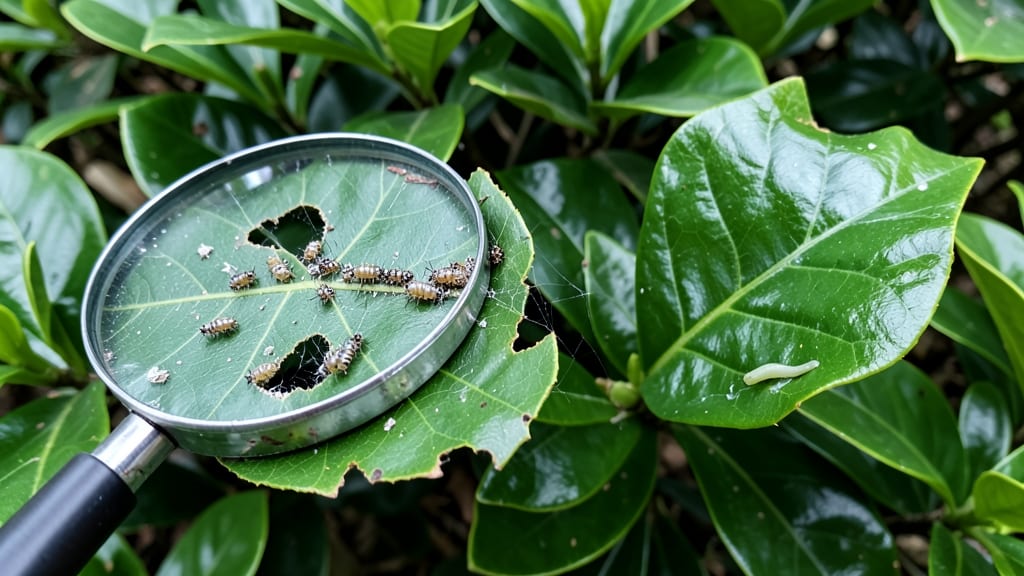
💥 Quick Answer When your gardenia leaves are being eaten, the most likely culprits are spider mites, aphids, scale insects, or caterpillars like the gardenia looper, which create ragged edges or sap trails. Fungal leaf…
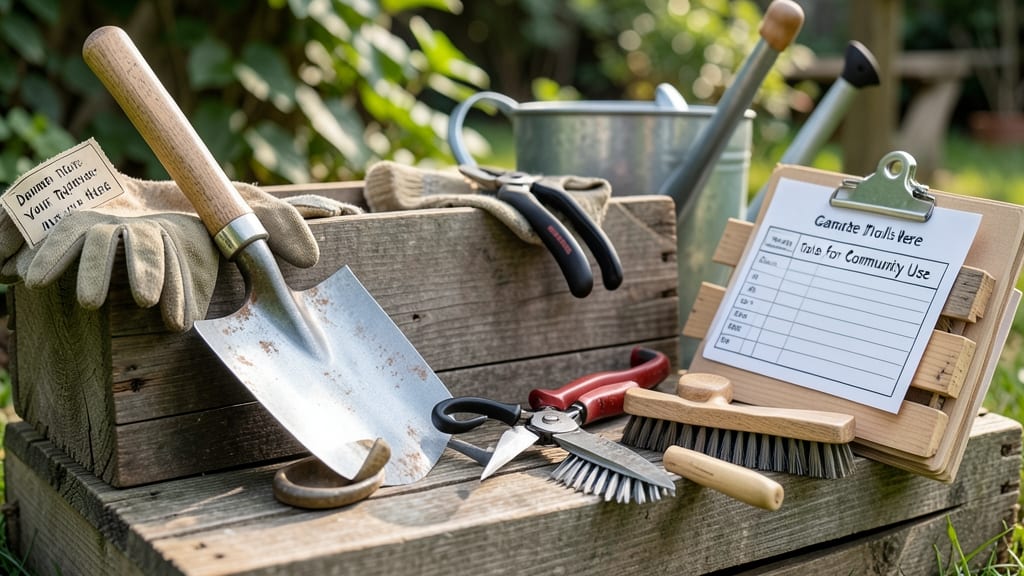
💥 Quick Answer To donate garden tools, try local community gardens, Habitat for Humanity ReStore centers, or nonprofits like Keep America Beautiful and Freecycle for reuse programs. Always confirm their acceptance…
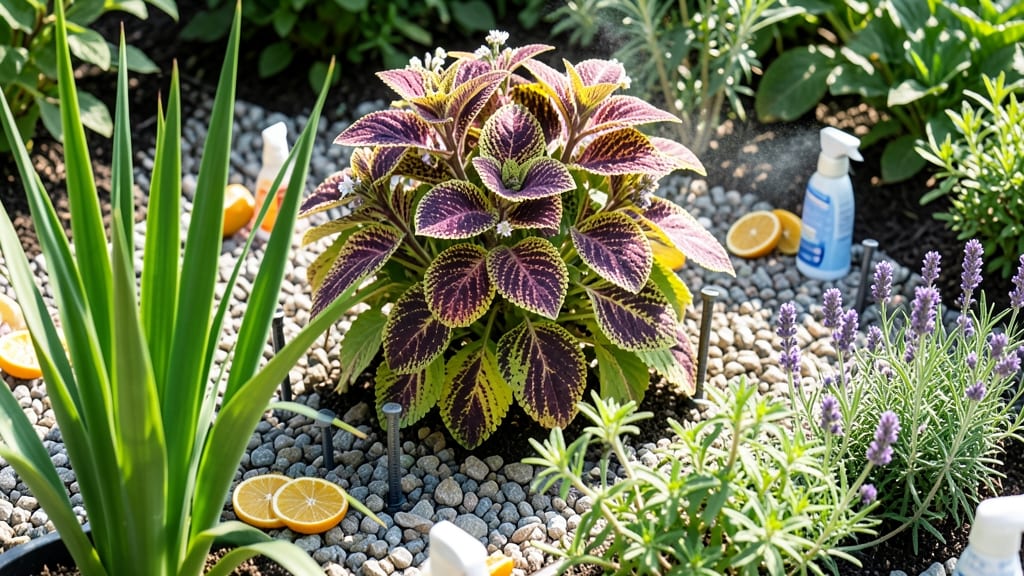
💥 Quick Answer To repel cats from your garden, use natural deterrents like citrus peels or coffee grounds, combine them with physical barriers such as prickly plants or chicken wire, and maintain these methods…
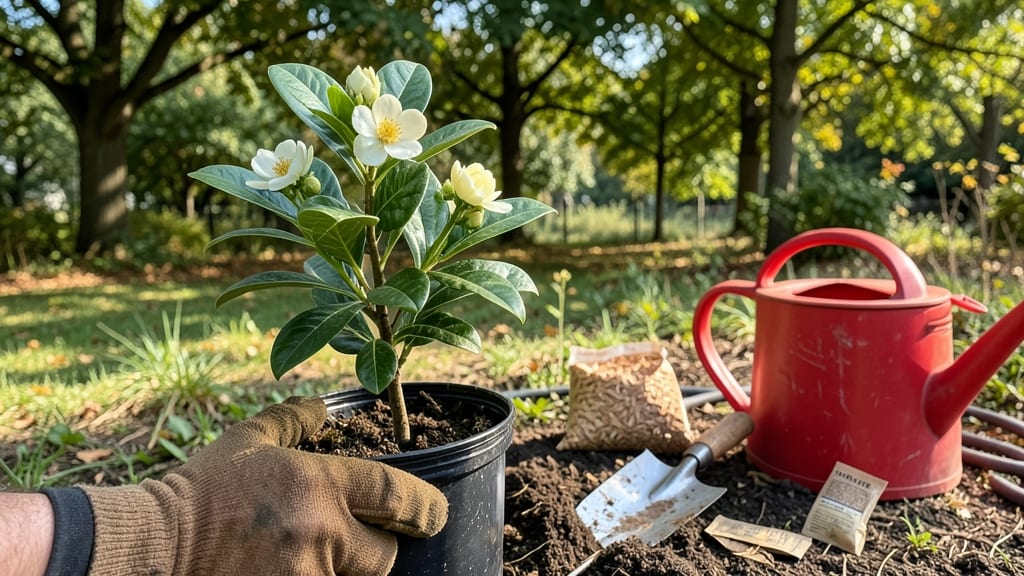
💥 Quick Answer Planting a gardenia tree means selecting late spring or early fall for transplanting, using well-draining acidic soil (pH 5.0-6.5), and providing bright, indirect sunlight to support fragrant blooms and…
💥 Quick Answer Kentucky's gardening zones span USDA Plant Hardiness Zones 5 through 8, with most areas falling in Zones 6 and 7. This range supports everything from cold-resistant perennials to heat-loving tropicals…
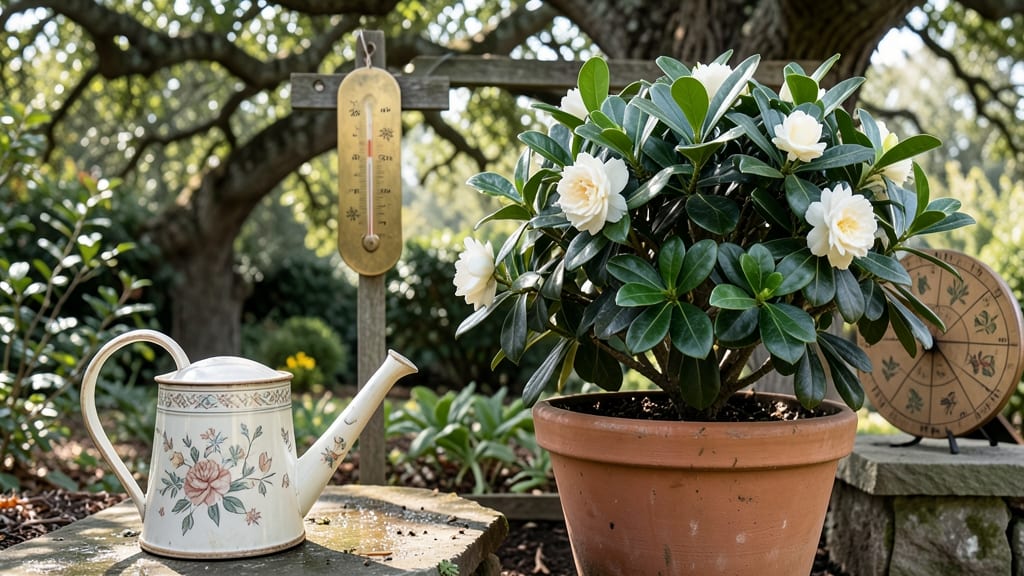
💥 Quick Answer Gardenias do not bloom all year—they produce flowers seasonally, typically from late spring to summer, with peak blooming in USDA Zones 7–11 depending on variety and climate conditions. Cold weather halts…
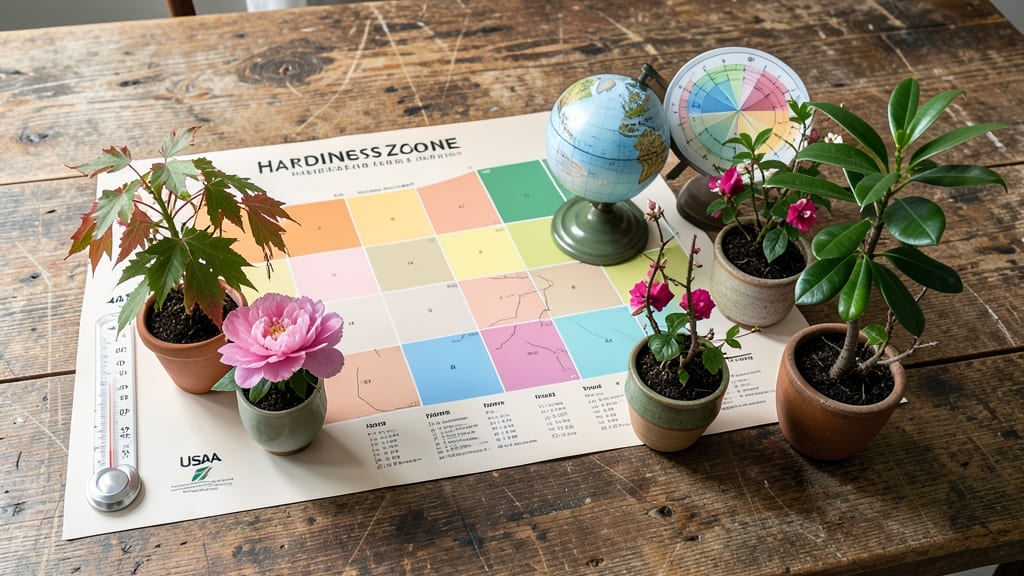
💥 Quick Answer Climate zones gardening means selecting plants that match your region's USDA Hardiness Zone (1-13), frost patterns, and microclimates—where temperature ranges, rainfall, and sunlight exposure create ideal…
💥 Quick Answer A bamboo garden in Chicago thrives with cold-hardy, non-invasive varieties like running bamboo ( Phyllostachys aureosulcata ) or clumping types ( Bambusa multiplex ), which adapt well to USDA Zones 5-6…
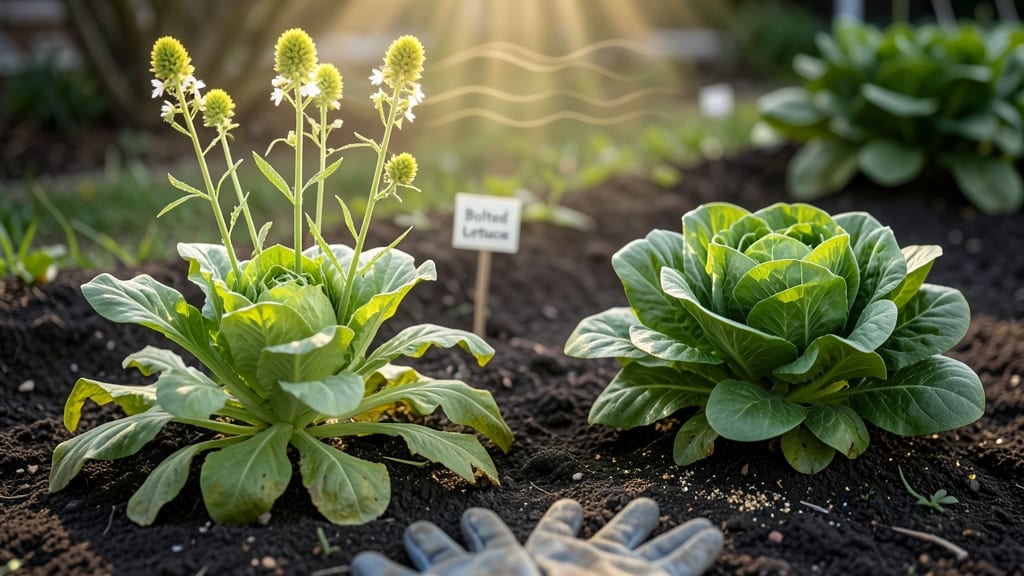
💥 Quick Answer What does bolt mean in gardening? It refers to when a plant suddenly produces a tall flower stalk, halting leaf growth and often causing bitter flavors before the plant fully matures. This premature…