I’ve always had a green thumb—whether it was sneaking seeds from my grandfather’s garden as a kid or wrestling with tomato plants in my first apartment. Now, I’m here to share the joy of growing things, from easy-care houseplants to bold backyard experiments. My approach is simple: practical advice, real stories, and a little bit of the magic that happens when you get your hands in the dirt.
💥 Quick Answer Gainesville's botanical gardens feature stunning collections of native Florida plants, exotic palms, and themed gardens like the Kanapaha Botanical Gardens and Butterfly Rainforest . These vibrant spaces…
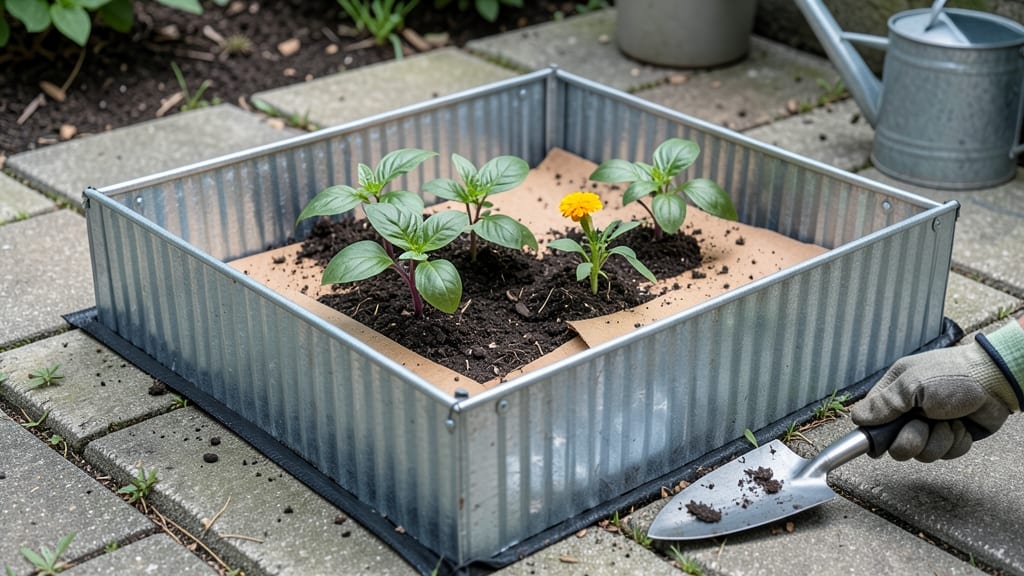
💥 Quick Answer Corrugated metal is safe for garden beds only when made from galvanized steel, aluminum, or copper, as these materials resist rust and release minimal harmful chemicals. Untreated steel or metals coated…
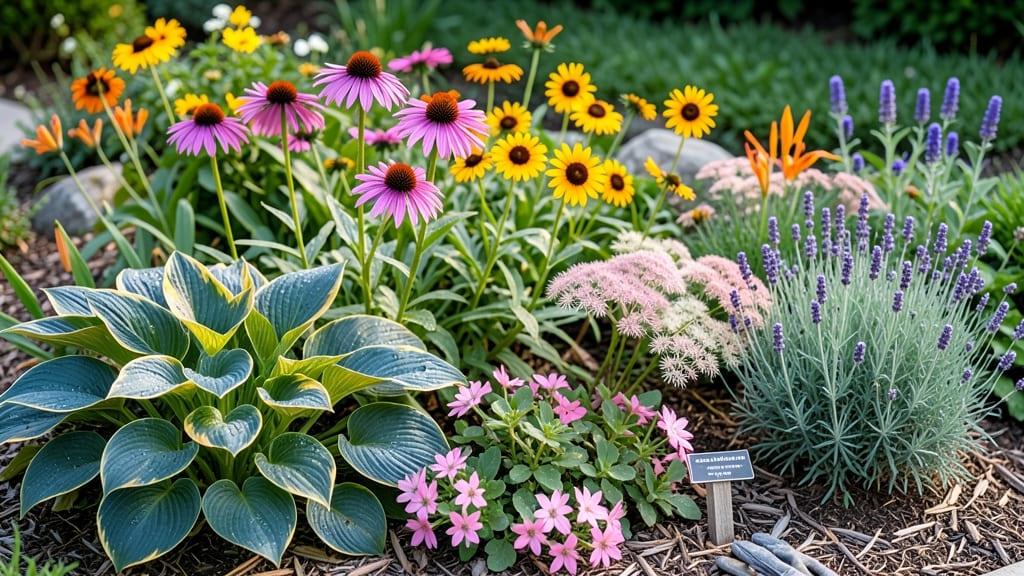
💥 Quick Answer A perennial garden in zone 5 thrives with cold-hardy plants like coneflowers, black-eyed Susans, and hostas, planted in spring after frost or fall before ground freezes for best root establishment. Focus…
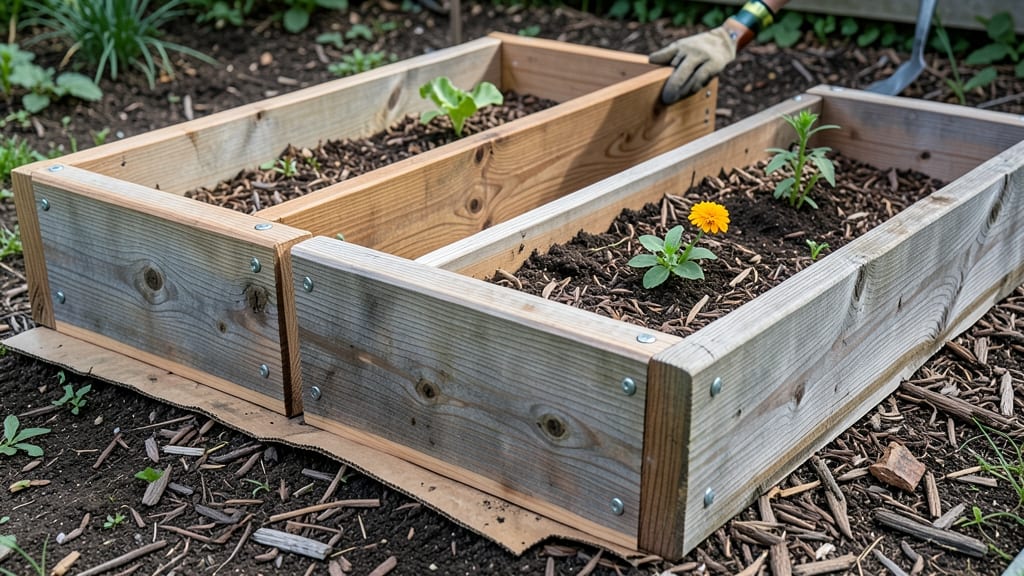
💥 Quick Answer Treated wood in raised garden beds dramatically boosts durability by fighting rot, pests, and moisture damage, but you must choose the right chemical treatment and construction methods to prevent soil…
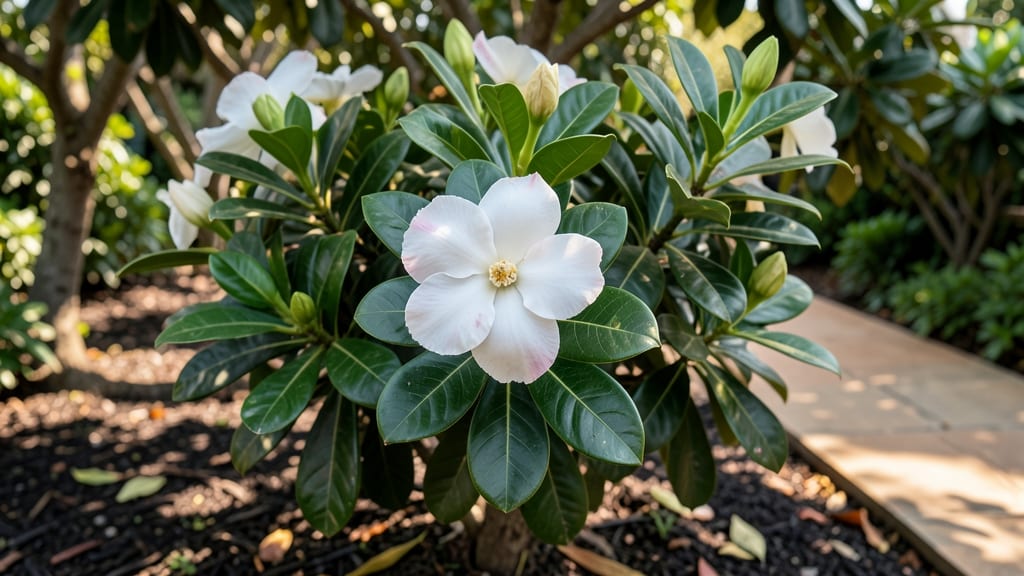
💥 Quick Answer Gardenia plants are not dog-safe —their leaves, flowers, and stems contain toxic compounds like saponins and cyanogenic glycosides that can cause vomiting, diarrhea, and lethargy in pets if ingested. Keep…
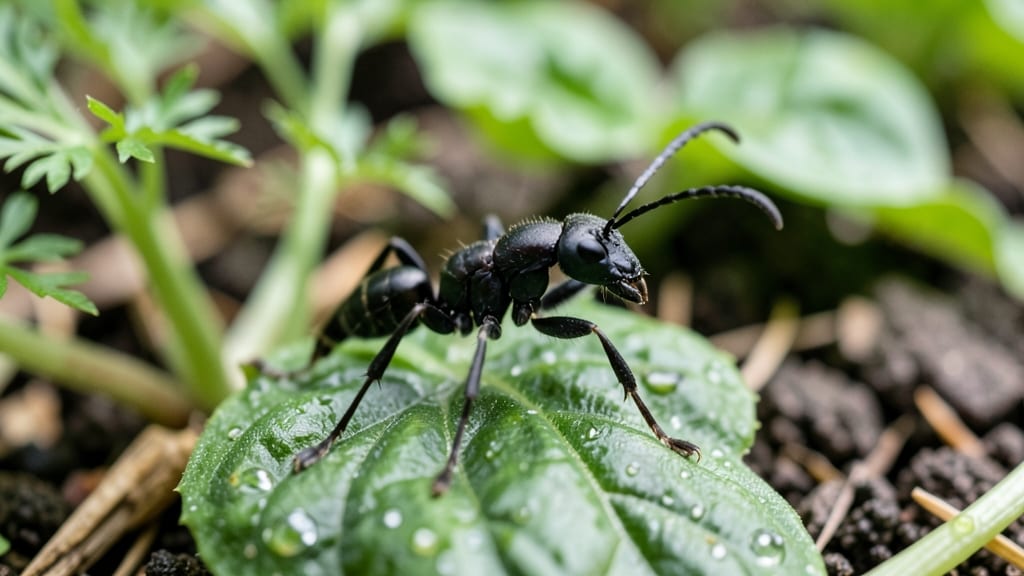
💥 Quick Answer Whether ants hurt your garden depends on the species: some protect plants by eating pests like aphids, while others damage roots, harvest seeds, or encourage harmful insects. Observe their behavior to…
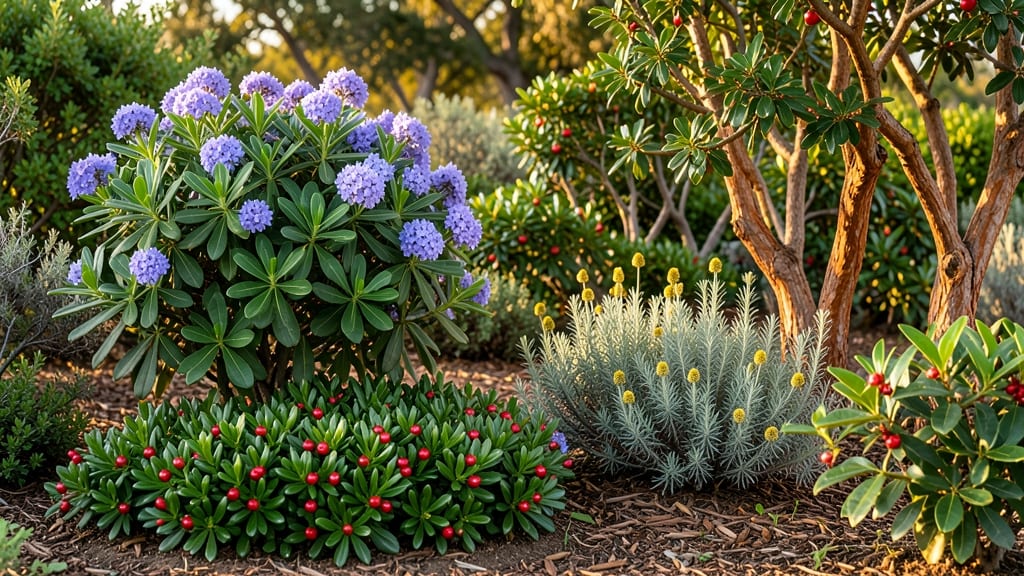
💥 Quick Answer Gardening in Northern California thrives with drought-tolerant natives like California poppies and manzanita, coastal-friendly succulents, and Mediterranean herbs. Microclimates—coastal, valley, and…
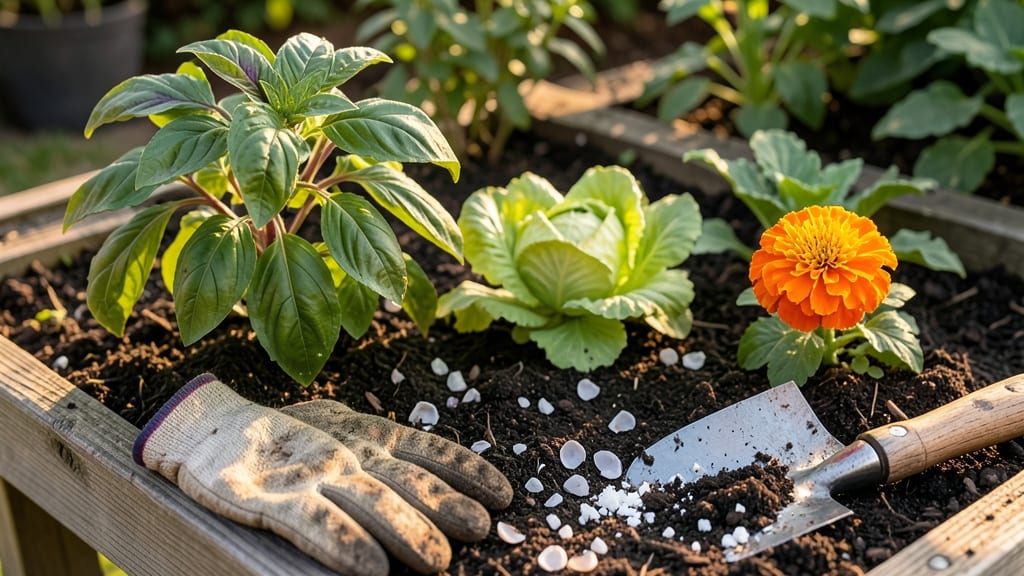
💥 Quick Answer Adding eggshells to garden soil enriches it with calcium and magnesium, enhances drainage, and prevents compaction—but they must be crushed and composted first to protect roots and deter pests. Eggshells…
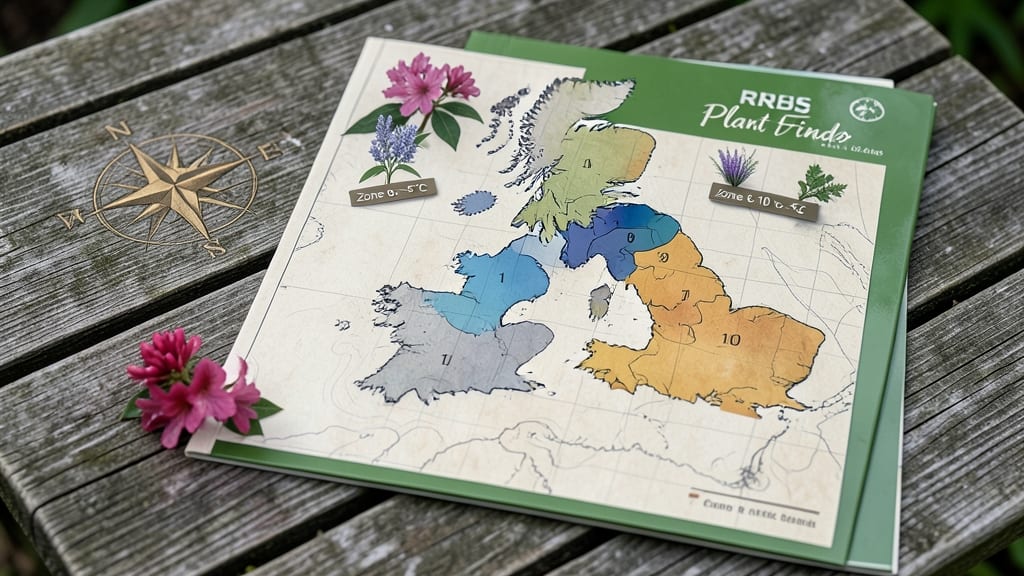
💥 Quick Answer UK garden zones help you select plants that thrive in your area by mapping winter hardiness across the country. The system divides regions from Zone 1 (coldest) to Zone 10 (mildest), guiding which species…
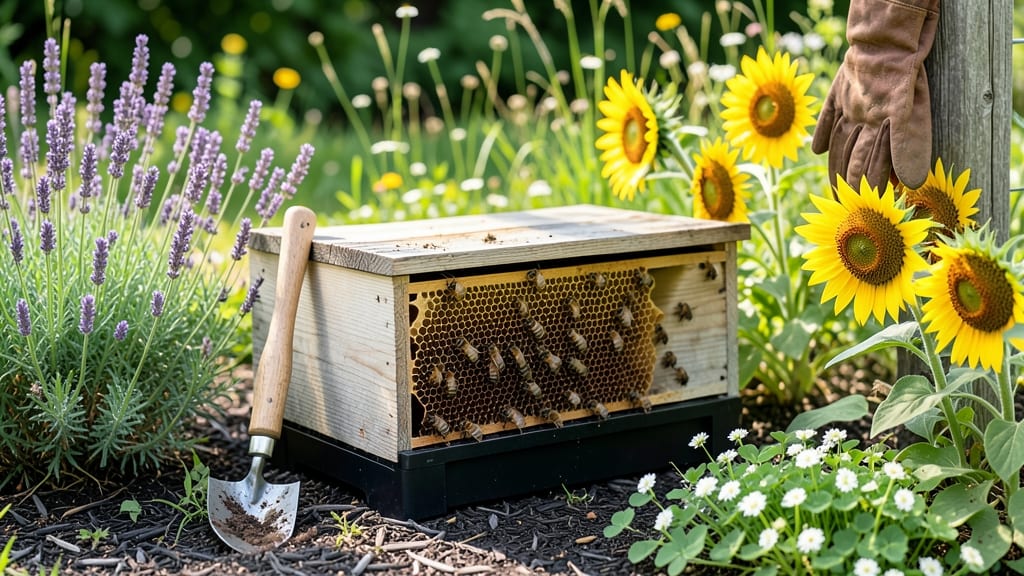
💥 Quick Answer The bee crate in Grow a Garden creates a protected space for native bees to nest while safeguarding heirloom seeds from accidental cross-pollination. This dual-purpose system enhances pollination rates in…