I’ve always had a green thumb—whether it was sneaking seeds from my grandfather’s garden as a kid or wrestling with tomato plants in my first apartment. Now, I’m here to share the joy of growing things, from easy-care houseplants to bold backyard experiments. My approach is simple: practical advice, real stories, and a little bit of the magic that happens when you get your hands in the dirt.
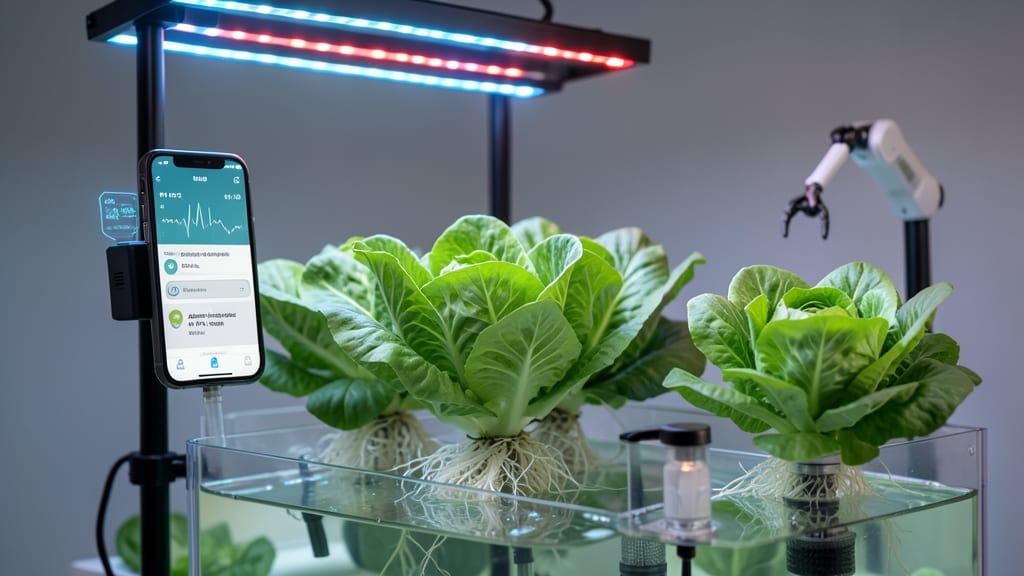
💥 Quick Answer AI for gardening transforms plant care by analyzing soil conditions, predicting pest outbreaks, and automating irrigation, while smart tools like diagnostic apps and robotic planters deliver precision…
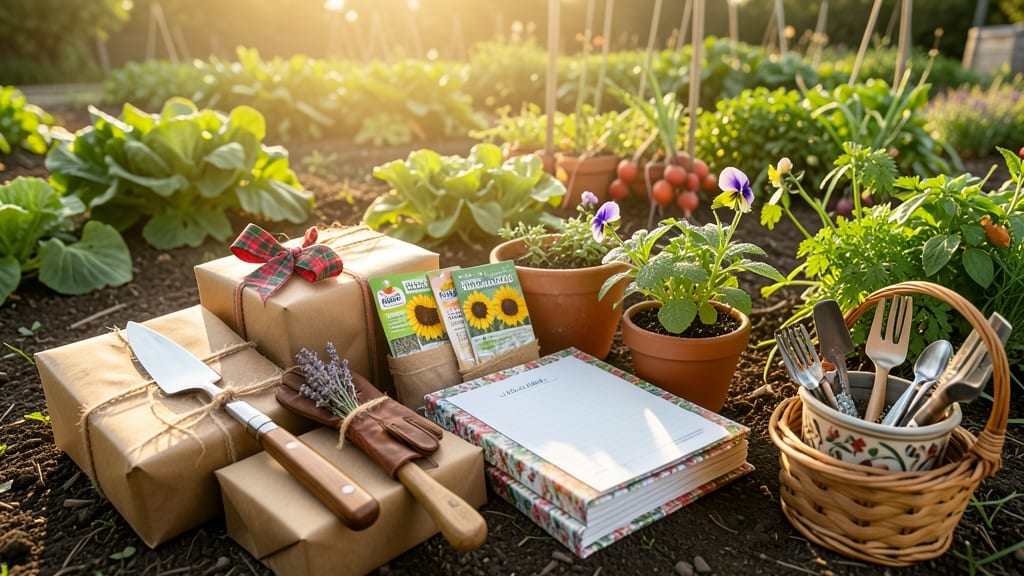
💥 Quick Answer For allotment gardening gifts, prioritize practical tools, heirloom seeds, and custom plant care accessories that blend functionality with personal touches to create meaningful presents for any green…
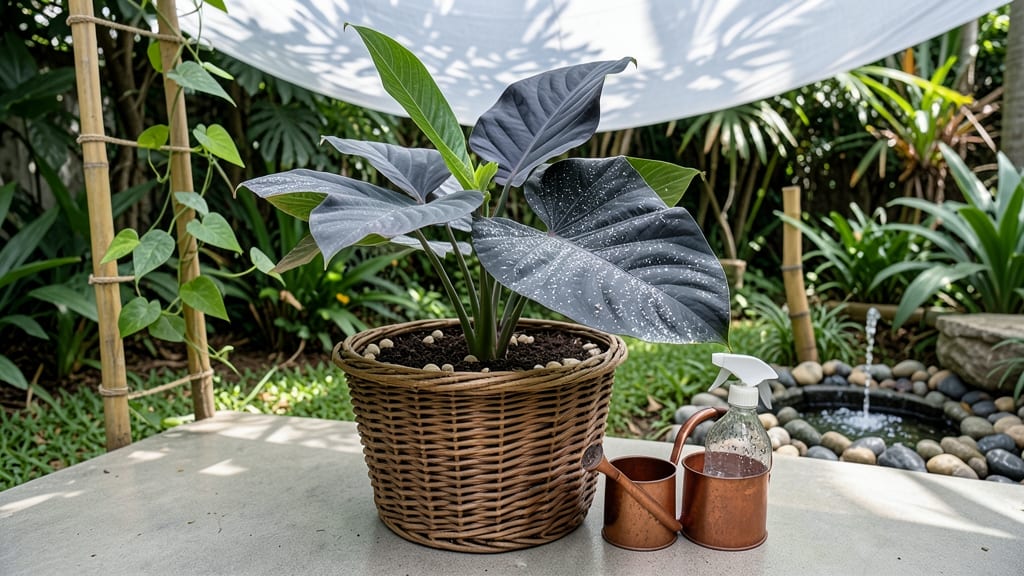
Garden ideas featuring alocasia plants turn shady spots into vibrant focal points with their bold, arrowhead-shaped leaves. Picture this: a corner of your yard that’s always been a challenge—too dark for sun-lovers but…
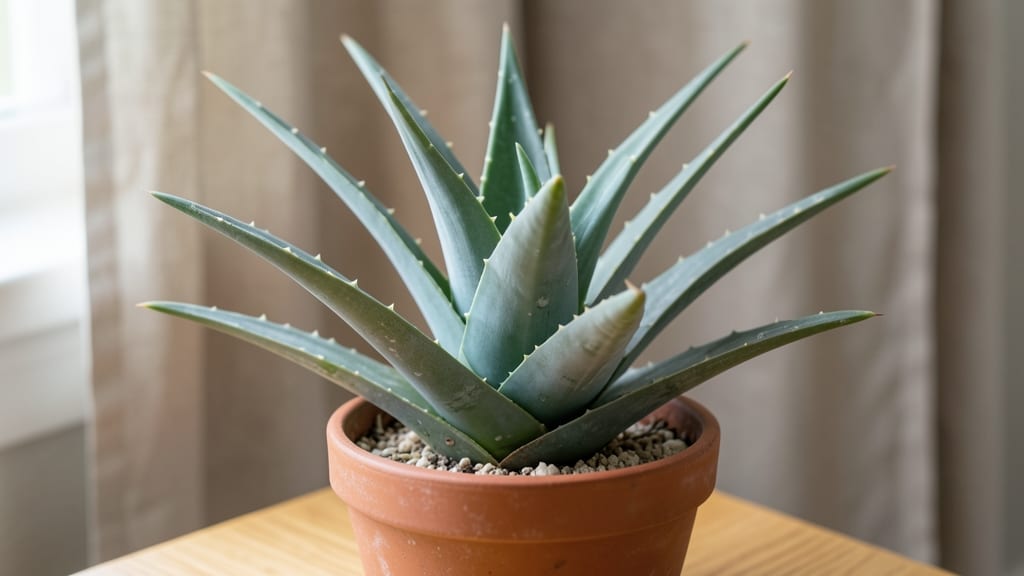
💥 Quick Answer Growing aloe vera in gardens is simple: it thrives in well-draining soil with full sun exposure and minimal watering to prevent rot, while its gel offers medicinal benefits and decorative appeal. This…
💥 Quick Answer The American Horticultural Society reciprocal garden network connects plant enthusiasts to share rare seeds, cuttings, and divisions through a trusted exchange system, fostering biodiversity and reducing…
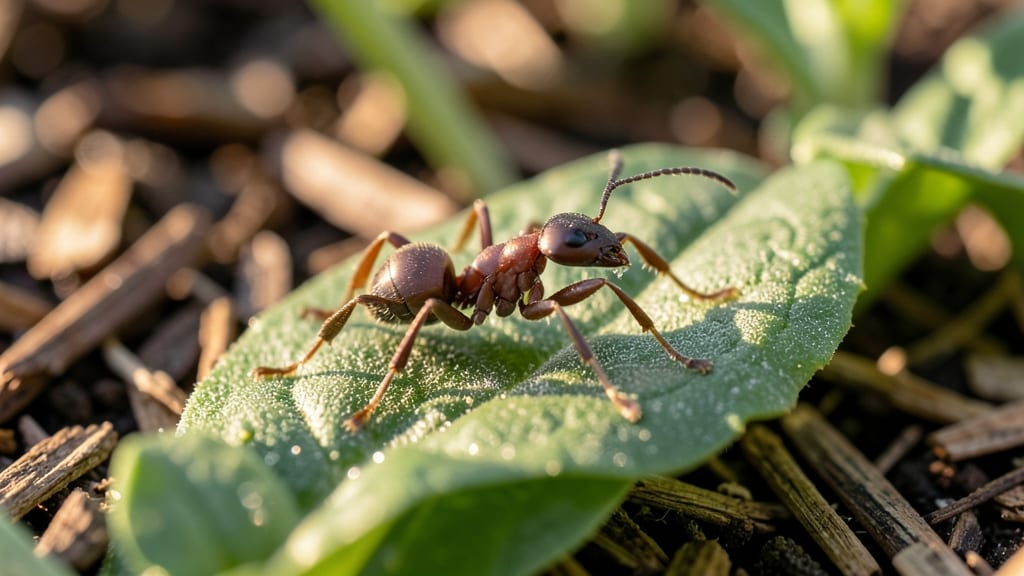
💥 Quick Answer Ants in raised garden beds thrive by farming aphids and disrupting plant roots, but natural deterrents like diatomaceous earth, cinnamon, or citrus peels can repel them without harming plants or soil…
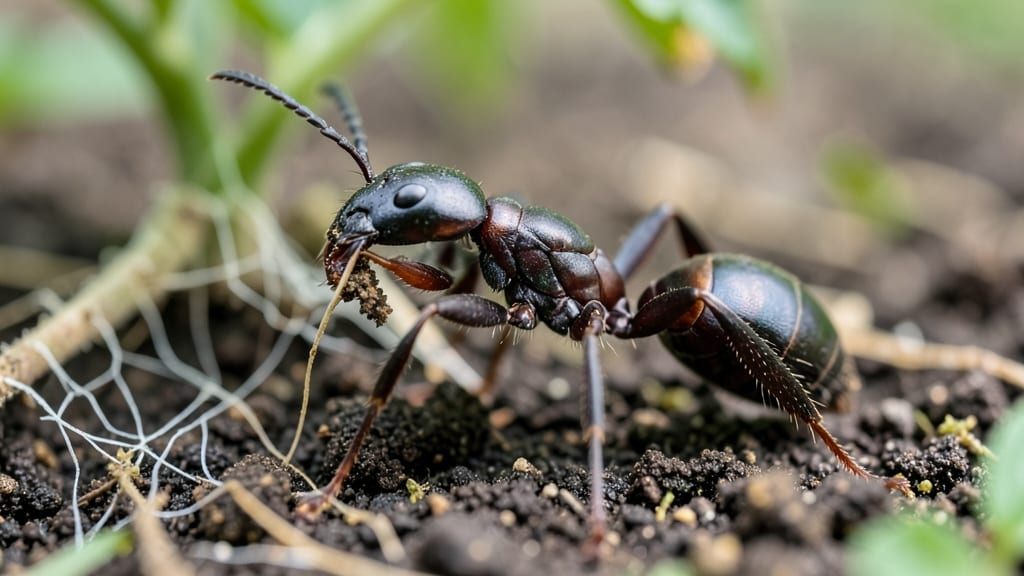
💥 Quick Answer Ants are good for gardens because they aerate soil, break down organic matter, and naturally control pests like aphids and termites by preying on them or farming beneficial fungi and bacteria. Ants act…
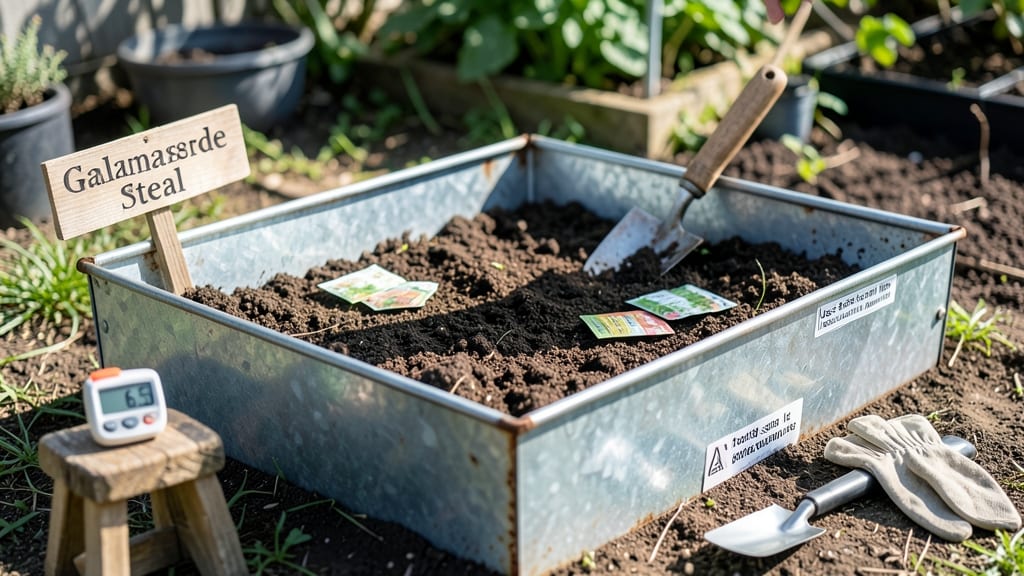
💥 Quick Answer Galvanized garden beds are not safe for long-term use because their zinc and cadmium coatings leach into soil over time, poisoning plants and contaminating edible crops. Food-safe materials like cedar or…
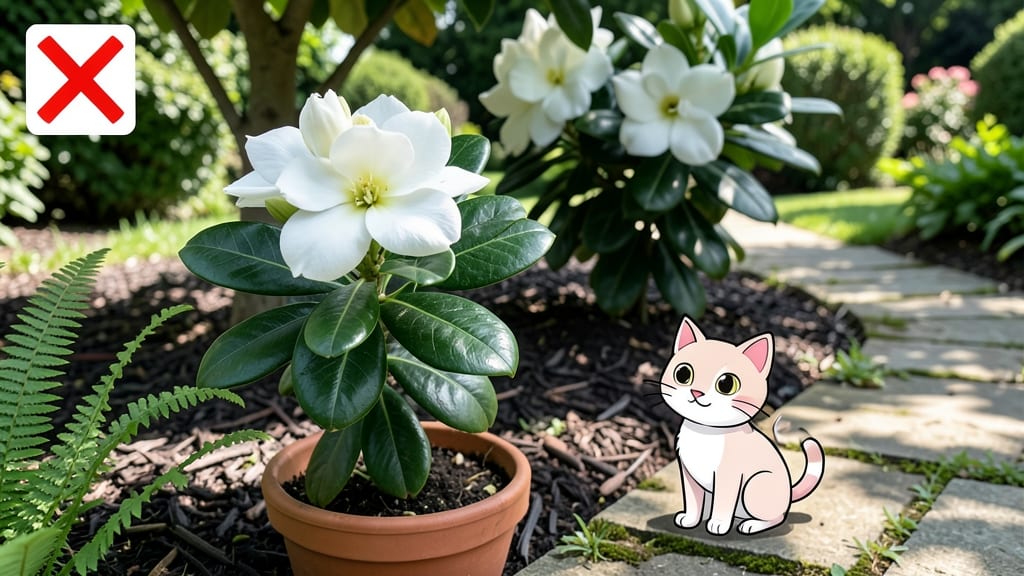
💥 Quick Answer Gardenias are poisonous to cats because their leaves, flowers, and stems contain toxic compounds like saponins and essential oils that can trigger drooling, vomiting, and lethargy if ingested. Always…
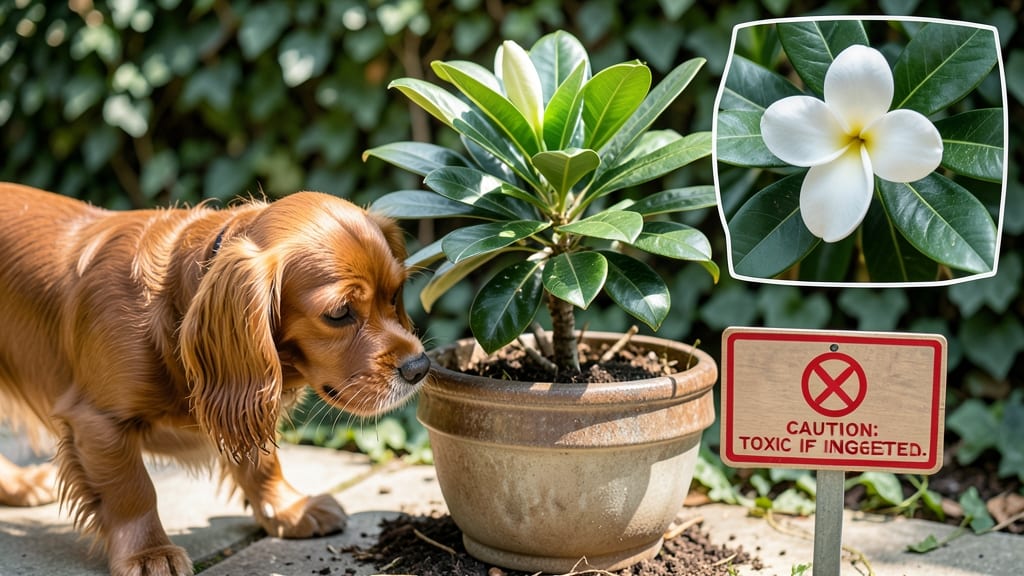
💥 Quick Answer Gardenias are poisonous to dogs, containing toxic compounds like saponins and glycosides that cause vomiting, drooling, and lethargy if ingested. Immediate vet care is critical if your dog eats gardenia…